
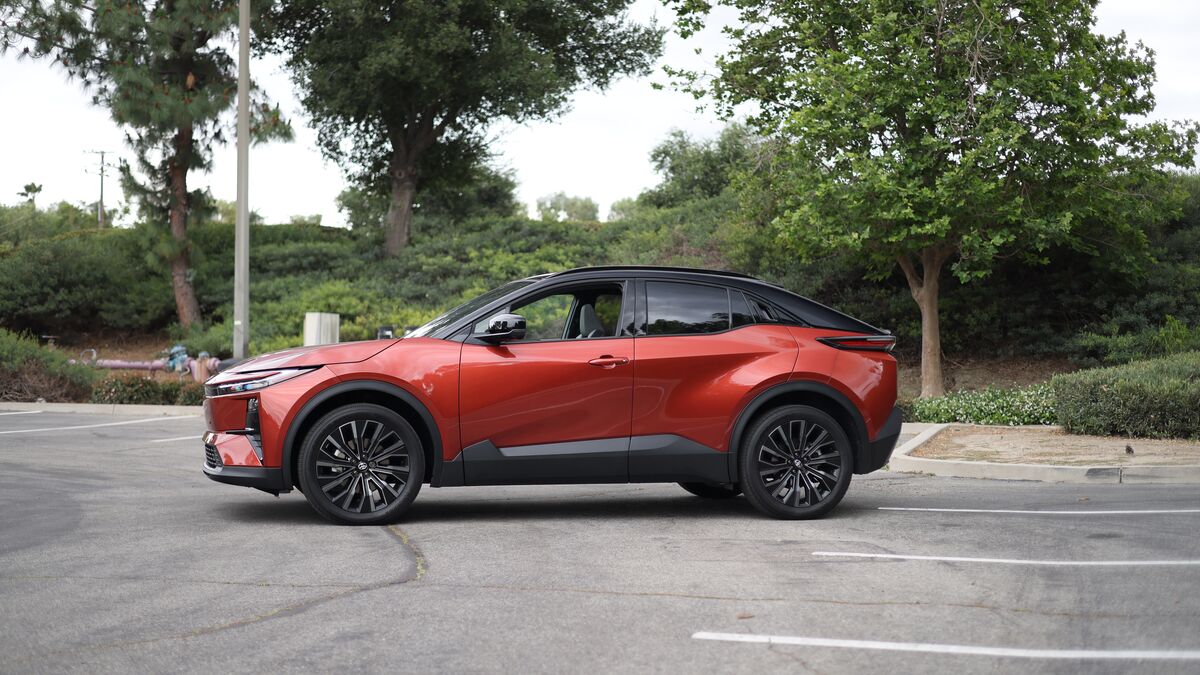
Toyota has rewritten the past with the 2026 C-HR. In its first generation, the C-HR, or Compact High Rider, was a quirky gas hatchback marketed as a small SUV. It faded after the 2022 model year. Now it’s an attractive electric crossover that shares only one thing — aside from a name — with its predecessor: rear door handles recessed in the window frames.
Jointly developed with Subaru, the C-HR and its counterpart, the Subaru Uncharted, represent the smallest and spriest of the brands’ six-pack of EVs new for 2026. In order of size, that includes the redesigned Toyota bZ and Subaru Solterra, as well as the new Toyota bZ Woodland and Subaru Trailseeker.
Does the market want six related EV SUVs? Let them eat cake.
Forget about the others. Here are a few of our favorite things about the 2026 Toyota C-HR.
1. Alluring Style
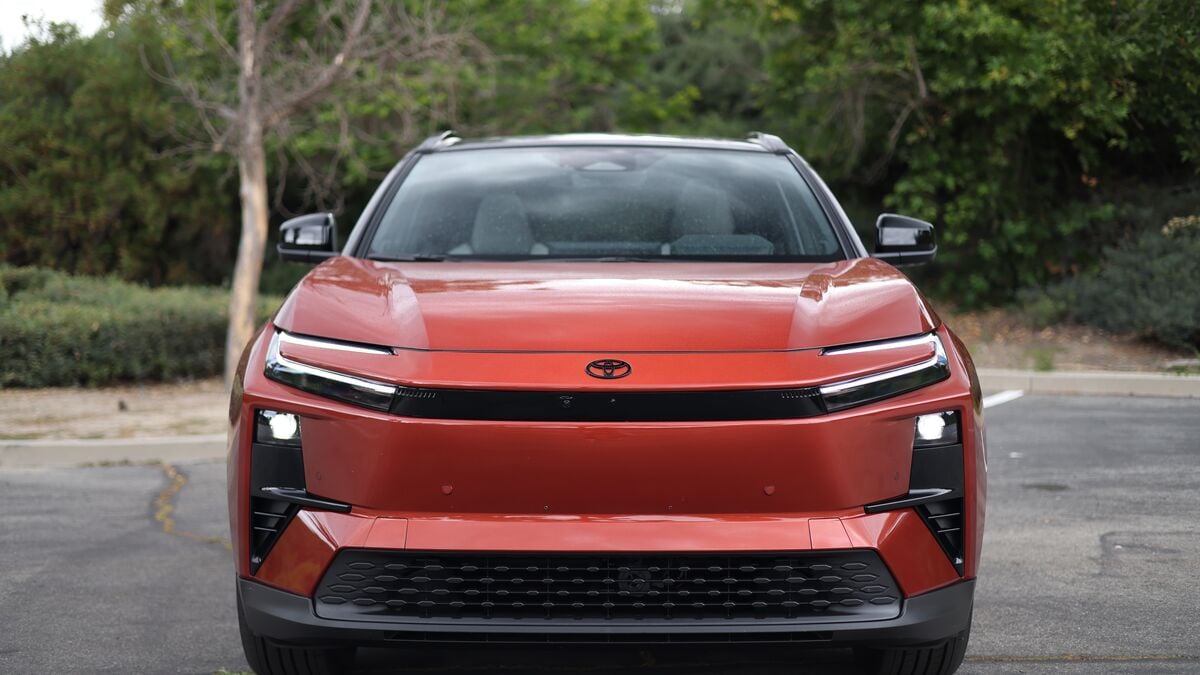
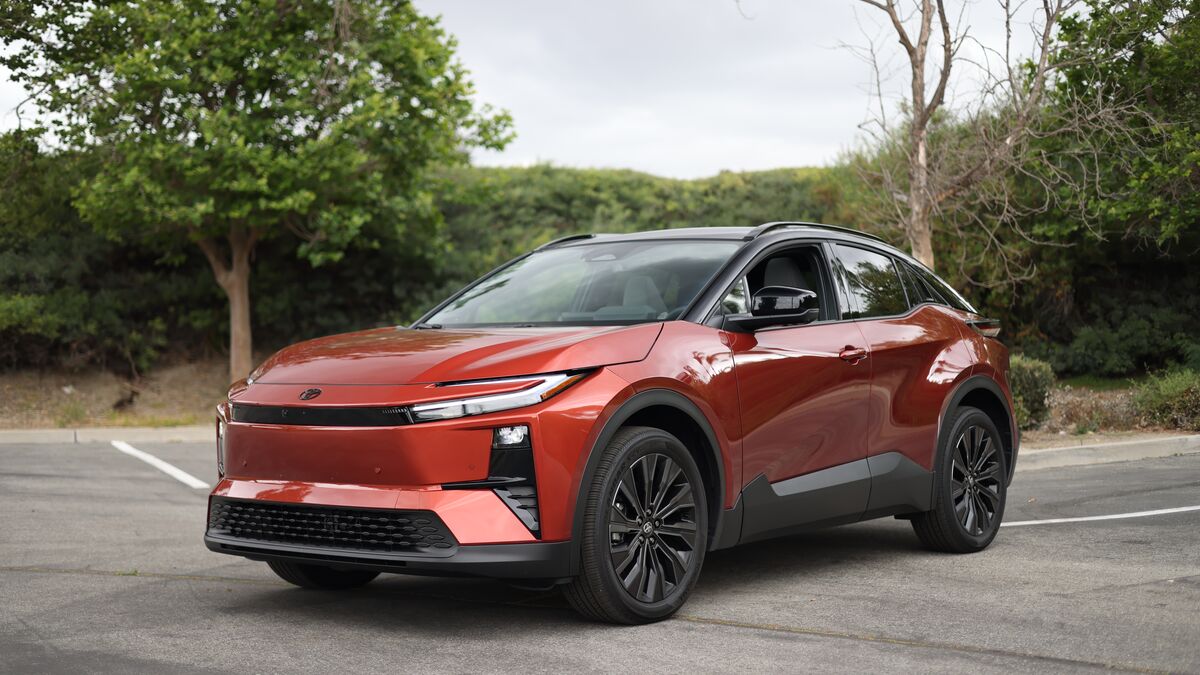
Unlike other blobular EVs or boxy SUVs, the C-HR embraces a striking, sporty style. A wedge-like nose dips down into a vertical face, which peels back like a smile into daytime running lights. Those DRLs begin body lines that rise up to the rear end so it appears as if the rear wheels get larger, in a retro muscle-car kind of way. It’s an illusion, of course. Available with a black roof for a two-tone color combo, the sloped roof tapers into a fastback shape, which is the opposite of the squared-off ends of most modern SUVs. At the bottom, thick plastic cladding on the rockers rises up to pinch the rear end, and the most illusory element is also one of the original elements of the smaller C-HR gas model: the rear door handles hide in the window frames of the rear doors. That makes it look coupe-like. So maybe it’s a Coupe High Rider?
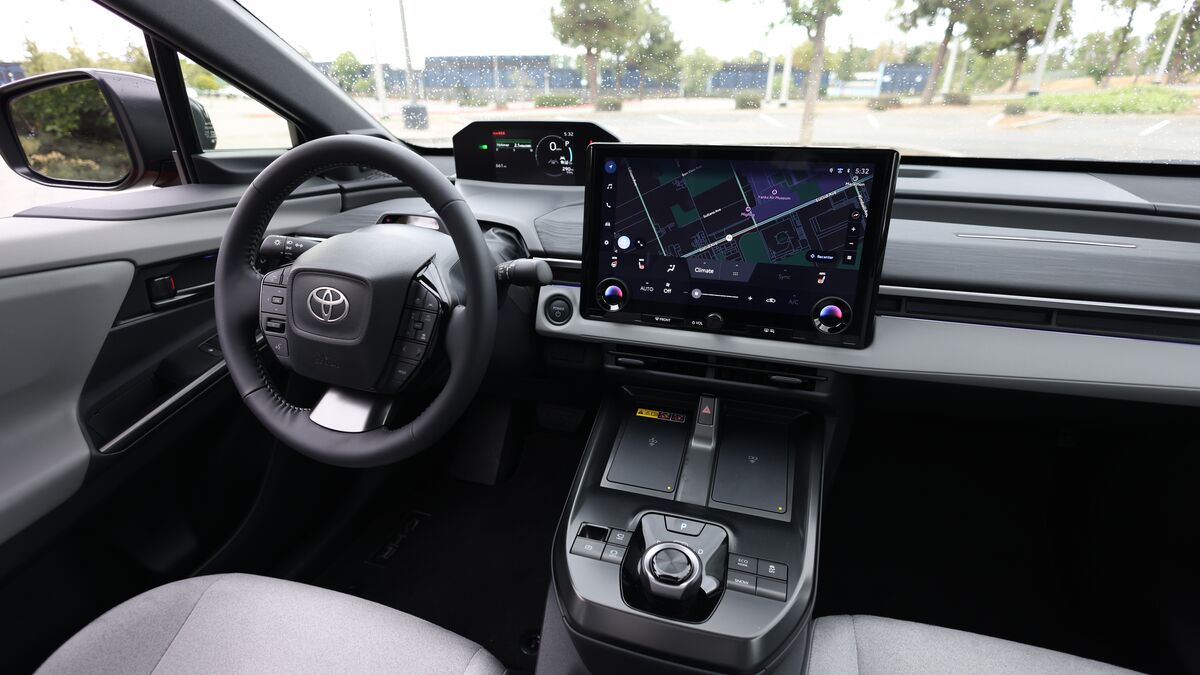
The interior is less daring and looks the same as other Toyobaru EVs, except for a round wheel instead of a squircle.
2. Quick Acceleration
The C-HR has a dual-motor all-wheel-drive (AWD) setup rated at 338 horsepower and 323 lb-ft of torque. It’s quick off the line to about 30 mph, then plateaus on its way to a zero-to-60-mph time of 4.9 seconds. It’s more powerful and quicker than the most potent RAV4, and the C-HR’s small footprint and solid suspension lend it a more spirited ride than other Toyota SUVs. You’re not buying it for performance alone, but its pert acceleration is a pleasing bonus.
The 74.7-kWh battery pack provides up to 287 miles of range in the base SE configuration, but our top XSE trim and its 20-inch wheels had an estimated range of 273 miles. It comes with a North American Charging System (NACS) port for easy DC fast charging on the road.
3. Overall Value
This will likely be the reason EV shoppers look to the C-HR. The SE costs $38,595, while the XSE lands at $40,595 (all prices include destination charge). Yes, the 2027 Chevrolet Bolt EV and Nissan Leaf undercut it, but those models are front-wheel drive (FWD) only. That makes the Toyota C-HR the cheapest AWD EV, priced $3,000 less than the Subaru Uncharted Sport and less than the Chevy Equinox EV with AWD.
Toyota packs a value punch wrapped in a sleek European style. Standard equipment includes heated front seats and a heated steering wheel, synthetic leather upholstery, an 8-way power driver’s seat, a power liftgate, rain-sensing wipers, dual wireless device chargers, a 14-inch touchscreen, four USB-C ports, and a suite of driver-assist features that includes adaptive cruise control.
All of this adds up to a great EV value, even if you don’t factor in current gas prices relative to comparatively stable electricity prices. The EPA estimates you’ll save $4,750 in fuel costs over five years compared to the average new car.
Read More on the 2026 Toyota C-HR
Read our full review of the Toyota C-HR, find this week’s Fair Purchase Price, or see C-HR models for sale near you.