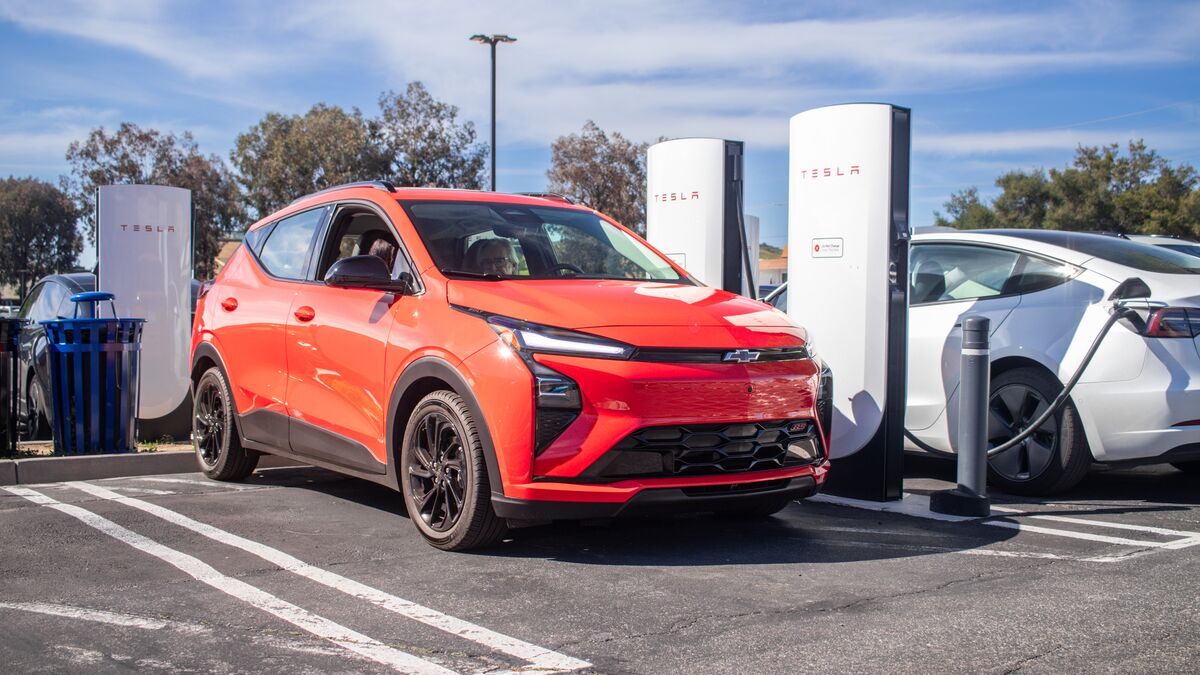

SUVs grab most of the headlines these days, but drivers looking for a more performance-oriented experience still gravitate toward sedans. In the electric vehicle (EV) space, the Tesla Model 3 and BMW i4 stand out as two models that deserve serious attention, blending efficiency with engaging driving dynamics.
Let’s see how the Model 3 and i4 compare.
2026 Tesla Model 3

The Tesla Model 3 carries its recent refresh into 2026, bringing updated styling, improved cabin materials, and a smoother ride. It remains a benchmark in the electric vehicle (EV) space thanks to strong range, advanced tech, and access to Tesla’s impressive charging ecosystem.
Tesla Model 3 Highlights
Outstanding driving range and performance: The Model 3 remains one of the most efficient EVs on the road, offering up to about 340 miles of range. Performance models deliver serious punch, with roughly 510 hp, making the car both practical and quick.
Minimalist, tech-forward interior: A large central touchscreen handles nearly all functions, creating a clean, modern cabin. This approach takes some adjustment but ultimately feels cutting-edge.
Extensive charging access: Tesla’s Supercharger network offers one of the most robust and reliable fast-charging systems available, making road trips easier and more convenient for Model 3 drivers.
Check this week’s Fair Purchase Price or see the Model 3 models near you.
2026 BMW i4
The BMW i4 returns for 2026 unchanged. BMW builds it on the 4 Series Gran Coupe platform, combining traditional sports sedan character with electric power to create a familiar yet modern luxury driving experience.
BMW i4 Highlights
Engaging driving dynamics with strong power: True to BMW’s reputation, the i4 delivers sharp handling and quick acceleration. Output reaches up to 536 hp in the M50 trim, making it one of the more athletic electric sedans available.
Premium interior quality: BMW fills the i4 with high-quality materials, supportive seating, and a sleek, curved dual-screen display. The layout blends modern technology with physical controls more effectively than many rivals.
Practical hatchback design and expanded charging access: The i4’s liftback design offers greater cargo flexibility than a standard trunk. BMW also gives drivers access to a massive public charging network—including Tesla Superchargers—along with Plug & Charge capability and complimentary Electrify America charging, making long-distance travel easier than ever.
Check this week’s Fair Purchase Price or see the i4 models near you.
Pricing
New 2026 Tesla Model 3 Prices
|
Retail Price
|
Fair Purchase Price (92620)
|
|||
|---|---|---|---|---|
$38,380 |
$37,100 |
|||
$43,880 |
$41,900 |
|||
$56,380 |
$55,500 |
New 2026 BMW i4 Prices
|
Retail Price
|
Fair Purchase Price (92620)
|
|||
|---|---|---|---|---|
$59,075 |
$55,100 |
|||
$63,475 |
$60,900 |
|||
$71,875 |
$67,600 |
The Kelley Blue Book Fair Purchase Price for any individual used vehicle can vary greatly according to mileage, condition, location, and other factors. The prices here reflect what buyers are currently paying for New 2026 Tesla Model 3 vehicles and New 2026 BMW i4 vehicles in typical condition when purchasing from a dealership. These prices are updated weekly. The manufacturer’s suggested retail price (MSRP) quoted includes the destination fee, but does not include tax, license, document fees, and options.
Specifications
| 2026 Tesla Model 3 | 2026 BMW i4 | |
| Popular Powertrains | ||
| Drive Wheels | RWD | RWD |
| Range | 363 miles | 333 miles |
| Charging Time | 12.1 hours | 9 hours |
| Towing Capacity | N/A | N/A |
| Payload Capacity | N/A | N/A |
| Ground Clearance | N/A | N/A |
| Horsepower | N/A | 335 hp |
| Torque | N/A | N/A |
| Specs | ||
| Basic Warranty | 4 years/50,000 miles | 4 years/50,000 miles |
| Powertrain Warranty | 8 years/100,000 miles | 4 years/50,000 miles |
| Battery Warranty | 8 years/0 miles | 8 years/100,000 miles |
| NHTSA Overall Safety | Not rated | Not rated |
| Max Seating Capacity | 5 | 5 |
| Wheelbase | 113.2 inches | 112.4 inches |
| Overall Length | N/A | 188.5 inches |
| Width With Mirrors | 82.2 inches | 81.6 inches |
| Width Without Mirrors | 76.1 inches | 72.9 inches |
| Height | N/A | 57.0 inches |
| Turning Diameter | 38.0 feet | N/A |
| Headroom, Front | 40.3 inches | 38.2 inches |
| Headroom, 2nd Row | 37.7 inches | 36.6 inches |
| Headroom, 3rd Row | N/A | N/A |
| Legroom, Front | 42.7 inches | 41.5 inches |
| Legroom, 2nd Row | 35.2 inches | 34.2 inches |
| Legroom, 3rd Row | N/A | N/A |
| Shoulder Room, Front | 56.3 inches | 55.2 inches |
| Shoulder Room, 2nd Row | 54.0 inches | 54.3 inches |
| Shoulder Room, 3rd Row | N/A | N/A |
| Cargo Behind Last Seat | N/A | N/A |
| Cargo Behind Second Seat | 19.8 feet | N/A |
| Cargo With All Seats Down | N/A | N/A |
| Bed Length | N/A | N/A |
Specification table reflects the typical configuration of vehicles shown.
Conclusion
The Tesla Model 3 suits shoppers who prioritize efficiency, cutting-edge technology, and a streamlined ownership experience. Its recent updates keep it feeling fresh, and its combination of range and power delivers an excellent balance of everyday usability and speed.
The BMW i4 appeals to drivers who want a more traditional luxury sports sedan with electric power. It delivers sharper handling, a more conventional premium interior, and greater practicality thanks to its hatchback design. Its access to a broad charging network—including Tesla Superchargers—also makes long-distance travel easier than ever.
Price plays a major role, however. The i4 typically costs significantly more than the Model 3—often by tens of thousands of dollars, depending on the trim—making the Tesla the stronger value for many buyers.
Ultimately, the Model 3 excels in efficiency and value, while the i4 offers a richer, more traditional luxury driving experience for those willing to pay a premium.