
View All Media
2026 Nissan Rogue Review

By Russ Heaps
Updated March 18, 2026
Pros
- Abundant safety tech
- Zero Gravity seats
- Impressive mpg
Cons
- Coarse engine
- Stopgap plug-in hybrid
What's New?
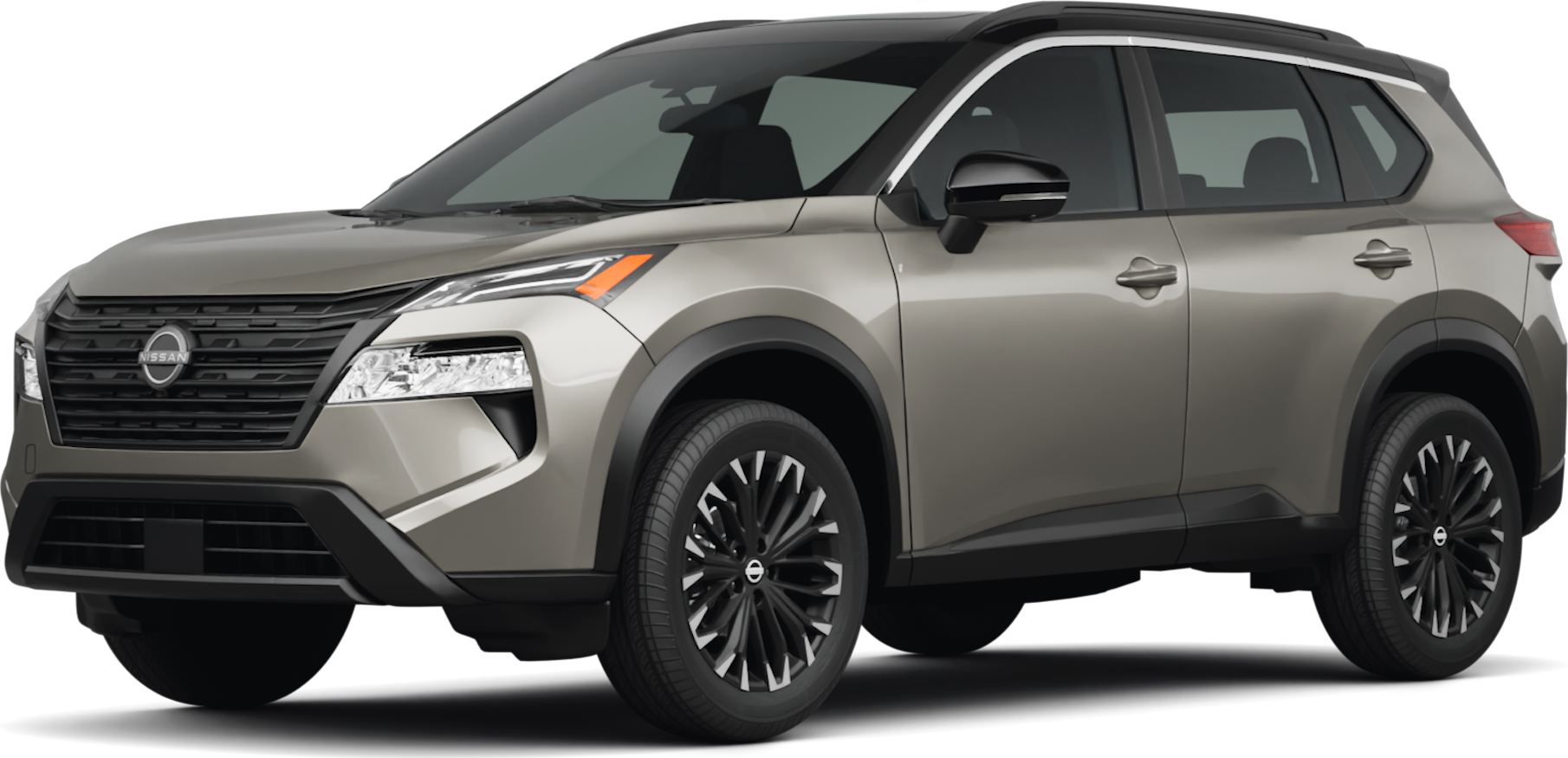
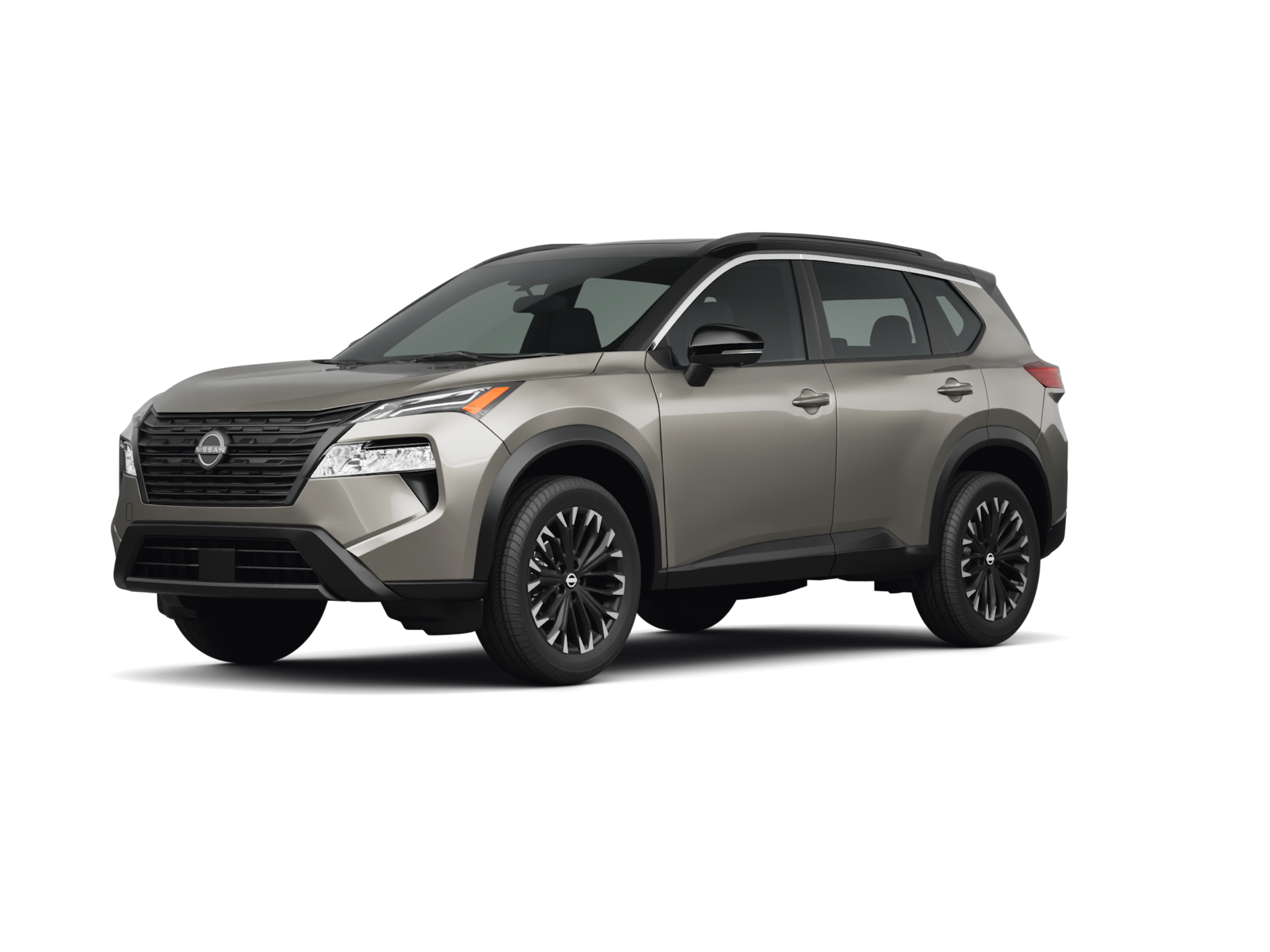
- Dark Armor Special Edition
- Rogue PHEV with 38 miles of electric range
The affordably priced 2026 Nissan Rogue blends terrific fuel economy with a comfortable interior and plenty of high-end tech. Pricing starts at $30,585.
The 2026 Nissan Rogue is a well-balanced compact SUV featuring loads of advanced safety/driver-assist technology, comfy furnishings, decent fuel economy, and a plug-in hybrid option. Moreover, we think it’s darn good looking, too. What more do you need in a compact SUV? Not much, we say.
Editor Robert Duffer contributed to this review.
We’ve spent hundreds of hours driving and evaluating this generation of compact SUVs, including the Nissan Rogue.
What's New for 2026
The biggest news is the arrivel of the Nissan Rogue PHEV model, which is larger and more efficient than the Rogue, and it’s equipped with a cramped third row just in case. A Dark Armor edition marks the changes to the gas-only Rogue. Slotting into the lineup above the SV grade, the Dark Armor version includes black 19-inch wheels and gloss black exterior accents (outboard mirrors, the grille, pillars, and roof rails). Other features are an HD surround-view monitor with moving object detection, and heated front seats and steering wheel. Nissan makes an all-new Cold Weather Package with heated seats and steering wheel available for the SV grade.
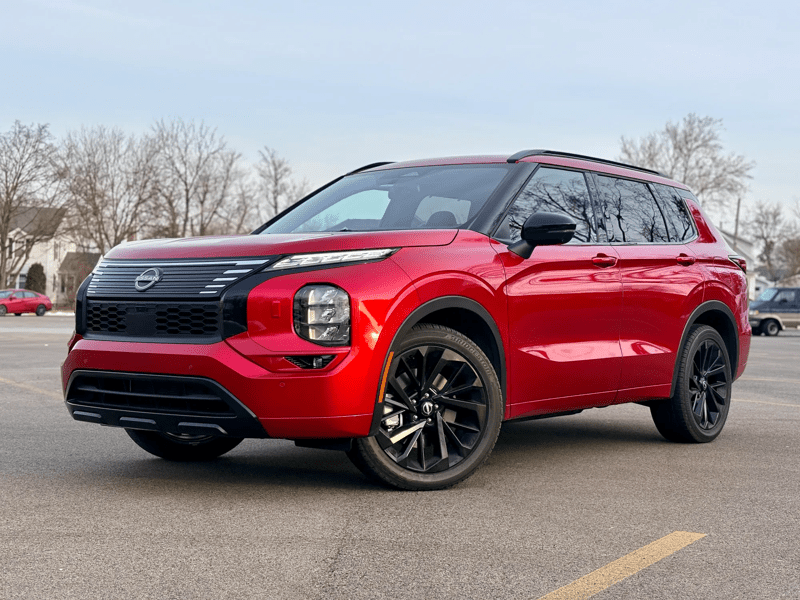
2026 Nissan Rogue PHEV
2026 Nissan Rogue Pricing
The 2026 Nissan Rogue has a starting sticker price of $30,585, with the range-topping Rogue Platinum (2026.5) kicking off at $40,485. But Kelley Blue Book Fair Purchase Pricing currently suggests paying $985 to $1,985 less than MSRP, depending on trim and equipment. These prices are updated weekly.
MSRP | KBB Fair Purchase Price (national avg.) | |||
|---|---|---|---|---|
$30,585 | $29,100 | |||
$30,585 | $29,600 | |||
$31,585 | $30,000 | |||
$31,585 | $30,600 | |||
$34,435 | $33,200 | |||
$35,485 | $33,700 | |||
$35,485 | $34,100 | |||
$37,085 | $35,200 | |||
$40,485 | $38,500 | |||
$40,485 | $38,500 |
The best-selling Rogue is the SV trim by far. We always recommend passing up the base S model, spending that extra $1,000, to gain all sorts of goodies. For example, to the S content the SV adds bigger 18-inch alloy wheels, an 8-way power-adjustable driver’s seat, more audio speakers, NissanConnect remote services, additional USB ports, dual-zone automatic climate control, and proximity keyless entry with push-button start.
You can add all-wheel-drive (AWD) to any trim (S, SV, Dark Armor, and SL) that comes standard with front-wheel drive (FWD) for $1,400.
The Rogue PHEV comes standard with AWD, and the price ranges from $47,535 to $51,535.
Other top-selling compact SUVs include the Honda CR-V, Toyota RAV4, and Hyundai Tucson, all of which currently start within about $1,000 of the Rogue.
Before buying a Nissan Rogue, check the Kelley Blue Book Fair Purchase Price to know what you should really pay. To date, the Nissan Rogue has a slightly better-than-average track record among compact SUVs for retaining its value. Remember: Recouping more money when you sell a vehicle can mean a bigger down payment and lower monthly payments on your next one.
Power, Ride, and Handling
Veering from most other compact SUVs, the Rogue sources its punch from a turbocharged 3-cylinder engine. It supplies ample power yet pulls off the impressive feat of being among the segment’s most powerful and fuel-efficient entries.
Power delivery isn’t quite as responsive or refined as others in the segment, but it’s an acceptable tradeoff. As for highway ride and urban handling, we think the Rogue’s manners are on par with the segment’s top sellers.
Nissan Rogue PHEV
Related to the Mitsubishi Outlander PHEV, the Rogue version operates relatively smoothly, but the 2.4-liter inline-4 and two-motor hybrid system makes some unusal sounds. At mid-range speeds the motor system whirs, whether in EV or Power mode, and whether or not the climate control is on. The engine also has a high-pitched whistle that can be heard from inside or outside. It’s drowned out easily enough with the radio on or at cruising speed.
Impressive Fuel Economy
The Rogue’s fuel economy is an estimated 32 mpg for mixed city-and-highway driving in front-wheel-drive form. That’s more like that of a subcompact SUV than of a compact one.
It is better than the Honda CR-V’s 30 mpg, the Hyundai Tucson’s 28 mpg, or the Kia Sportage’s 28 mpg. Even with all-wheel drive, the Rogue beats those figures, delivering 31 mpg.
The larger, heavier Rogue PHEV with standard AWD nets 26 mpg combined when the 20-kwh battery pack is depleted. When it’s full, which is easy to charge overnight on a standard 120-volt connection, it can travel up to 38 miles on electric power alone. The more you charge and drive in EV mode, the less gas you’ll use.
Long-Haul Comfort
Seating comfort has much to do with the overall vehicle experience. In the Rogue’s case, we appreciate the NASA-inspired Zero Gravity front seats. In our experience, the longer the trip, the bigger their impact. Every trim level has reclining rear seats that split and fold in a 60/40 fashion.
At 38.5 inches, rear legroom is about average for the segment, which is plentiful. Behind the rear seat is a luggage area of 31.6 cubic feet. Folding the rear seat creates a maximum cargo area of 74.1 cubic feet. Although a couple of rivals — the Honda CR-V and Hyundai Tucson spring to mind – provide more, the Rogue’s cargo numbers are above average for the class.
Naturally, the Rogue’s finest interior belongs to the Platinum trim, which is nearly a luxury experience with features like a 12.3-inch touchscreen and semi-aniline leather seating surfaces with diamond-patterned stitching. The Rock Creek variant comes with special water-repellent simulated leather seating surfaces with contrasting red stitching. Heated front seats are also standard in this model.
Rogue PHEV Interior and 3rd-Row Space
At least two inches longer, taller, and wider than the standard Rogue, the Rogue PHEV wedges in a third row into the cargo area. It’s mainly for occasional use when you need to haul a couple extra grade-schoolers in a pinch, with not enough head- or legroom for a 5-foot passenger. But it folds compactly into the floor without losing much cargo volume.
Stop-and-Stare Looks
Looks are subjective, but we’ll stick out our necks to praise the Nissan Rogue as one of the better-looking compact SUVs – a view shared in many of our owners’ reviews. The current third-generation Rogue debuted for the 2021 model year, sporting greater character in its exterior design than the previous generations.
A freshening just two years ago further improved things. Buyers may pick one exterior aspect that’s becoming more popular among many new vehicles: available two-tone paint. Whether it’s dressed in one color or two, we are fans of the Rogue’s styling.
If you want to crank up the design heat, we recommend the Rock Creek or Dark Armor Special Edition, with unique styling cues.
Our Favorite Features and Tech
Infotainment system
The Rogue is the first Nissan to come with Google built-in, including Google Automotive Services. We find that it simplifies operating the systems it controls. Standard in the SL and Platinum trims, it brings with it a 12.3-inch touchscreen. The entire Rogue lineup has Apple CarPlay/Android Auto smartphone integration.
Front seat relief
Nissan vehicles are known for their comfortable Zero Gravity front seats, enhanced with enough support to keep weariness at bay during long trips. We have logged some long hours in the Rogue and know firsthand how much these seats prevent fatigue.
Variable compression
Although this is a highly specialized engine feature, variable compression involves clever engineering that helps the Rogue reconcile the conflicting aims of performance and fuel economy. It pays off in the Rogue’s great fuel economy.
Expansive rear door openings
Yes, all compact SUVs have rear passenger doors. But the Rogue’s open a full 90 degrees. More than one of our test drivers with families noted how much easier it is loading a toddler into a child seat, thanks to the Rogue’s wide door openings.
Big door pockets
A 36-ounce bottle will fit into any of the four doors’ pockets in the Rogue compact SUV. That’s about the size of a typical water container used by hiking types.
Hands-free liftgate operation
The powered liftgate, standard in the top two trims, opens automatically when a motion sensor is triggered. We found that when juggling a toddler and all the required toddler trappings or with an armload of other stuff, a hands-free liftgate can be a lifesaver.
Engine and Transmission
The gas only Rogue derives its go from a 201-horsepower turbocharged 3-cylinder engine. In this sense, the Rogue is an outlier in a segment where most competitors offer a non-turbocharged 4-cylinder. Combined with 225 lb-ft of torque, this is among the most powerful standard engines in the segment and can motivate the Rogue to 60 mph in a respectable span of about eight seconds.
The Rogue PHEV’s 2.4-liter inline-4 and two-motor hybrid system generates 248 horsepower and a potent 332 lb-ft of torque. AWD is standard.
As with most other compact SUVs, front-wheel drive is standard, and all-wheel drive is optional (standard in the Rock Creek and Platinum grades). Power runs through an automatic transmission engineered with an emphasis on fuel economy.
3-Year/36,000-Mile Warranty
Nissan’s warranty coverage is typical for mainstream carmakers. The limited bumper-to-bumper coverage is for three years or 36,000 miles, whichever comes first. Powertrain protection is for five years or 60,000 miles.
Safety Ratings
The National Highway Traffic Safety Administration (NHTSA) gave the Rogue a maximum 5-Star overall safety rating. In the middle of the Rogue’s lifecycle, the Insurance Institute for Highway Safety (IIHS) changed its testing protocol. In two new tests developed after the current generation’s launch, the Rogue posted a score of Acceptable. In several older tests, the Rogue did take the top Good score, which earned it a spot on the 2023 IIHS Top Safety Pick list.
Nissan equips the Rogue with an impressive array of advanced safety and driver-aid technologies like automatic emergency braking with pedestrian detection, blind-spot monitoring, rear cross-traffic alert, rear automatic braking, and lane-departure warning.
Cars You May Like
We’ve Rounded Up Cars That Could Be Your Perfect Match.
2026 Nissan Rogue Deals and Incentives
$509 /mo | 39 months | Due at Signing
Lease a new 2026 Rogue Plug-in Hybrid SL Intelligent AWD Plug-in Hybrid SL AWD with Carpeted Cargo Area Protector, Carpeted Floor Mats, and First-Aid Kit and Splash Guards (4-piece set) for $509 a month for 39 months with $5,999 due at signing.
2026 Nissan Rogue
KBB.com Consumer Reviews
Trending Topics in KBB.com Consumer Reviews
2026 Nissan Rogue Styles
Calculate Your Budget With These KBB.com Tools
Specifications
Comfort & Convenience
Climate Control Air Conditioning | Available | ||
|---|---|---|---|
Integrated Garage Door Opener | Port Installed |
Dimensions, Weights & Capacities
Curb Weight | 3477 lbs. | ||
|---|---|---|---|
EPA Passenger | 105.4 cu.ft. | ||
EPA Total Interior | 137.0 cu.ft. | ||
Fuel Capacity | 14.5 gallons | ||
Front Leg Room | 41.5 inches | ||
Max Seating Capacity | 5 | ||
Minimum Ground Clearance | 8.2 inches | ||
Overall Length | 183.0 inches | ||
Front Shoulder Room | 57.1 inches | ||
Towing Capacity, Maximum | 1500 lbs. | ||
Trunk or Cargo Capacity | 74.1 cu.ft. | ||
Turning Diameter | 35.4 feet | ||
Wheel Base | 106.5 inches | ||
Width with mirrors | 72.4 inches |
Exterior
Alloy Wheels | Available | ||
|---|---|---|---|
Number of Doors | 4 doors | ||
Privacy Glass | Available | ||
LED Headlights | Available | ||
Rear Spoiler | Available |
Fuel Economy
City | 29 mpg | ||
|---|---|---|---|
Highway | 36 mpg | ||
Combined | 32 mpg |
Mechanical
Drivetrain | FWD | ||
|---|---|---|---|
Transmission Type | Automatic | ||
Recommended Fuel | Regular | ||
Hill Start Assist | Available | ||
Limited Slip Differential | Available |
Performance
Horsepower | 201 @ 5600 RPM | ||
|---|---|---|---|
Torque | 225 @ 2800 rpm | ||
Engine | 3-Cyl, Turbo, 1.5 Liter |
Warranty
Basic | 3 years / 36000 miles | ||
|---|---|---|---|
Powertrain | 5 years / 60000 miles | ||
Corrosion | 5 years / Unlimited miles |
Entertainment
Interior
Seating
Technology
2026 Nissan Rogue Safety
Safety Features & Technology
Crash Test Rating
Compare to Similar Vehicles
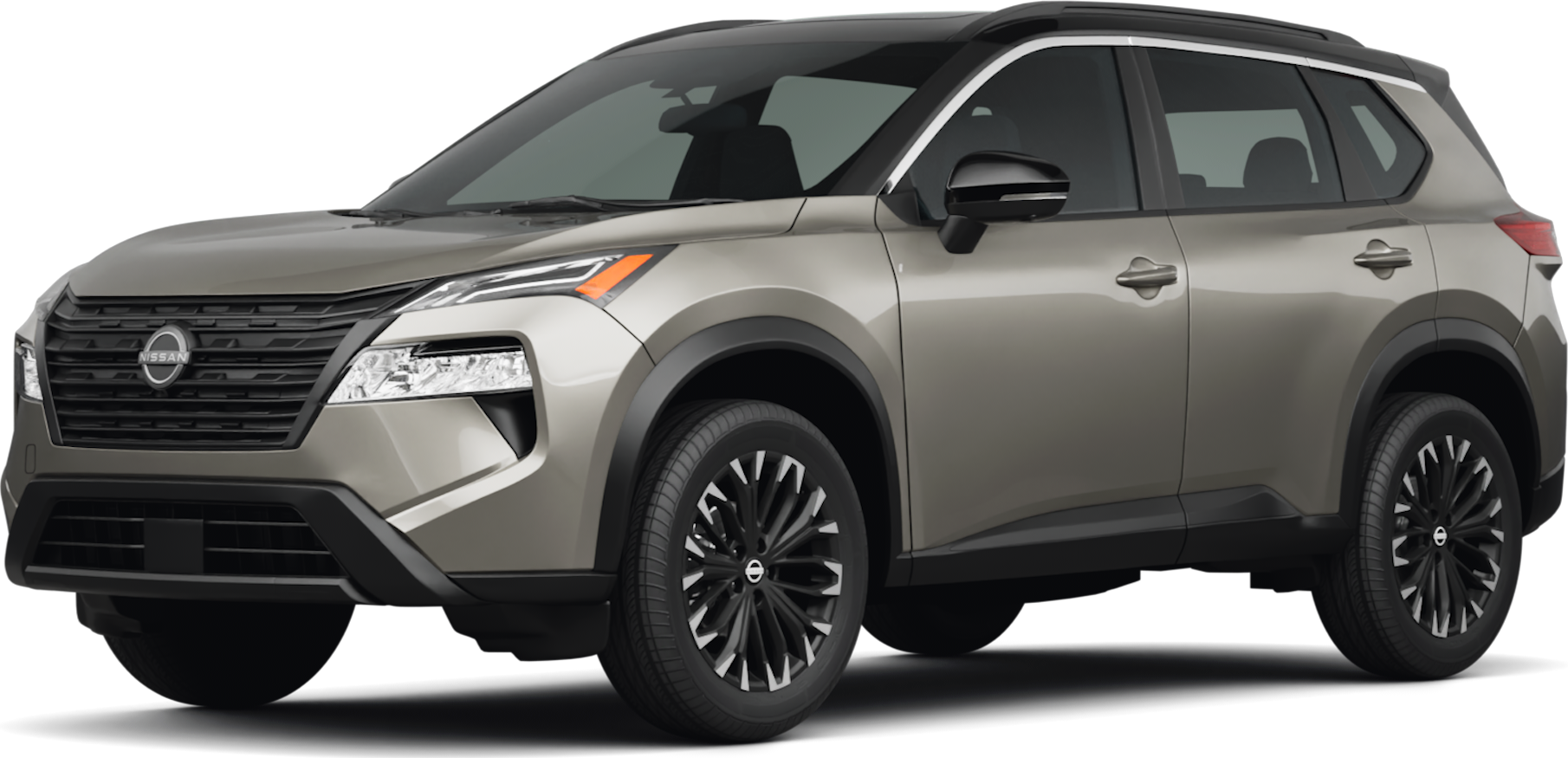 New 2026 Nissan Rogue |  New 2026 Toyota Corolla Cross |  New 2026 Hyundai Kona | 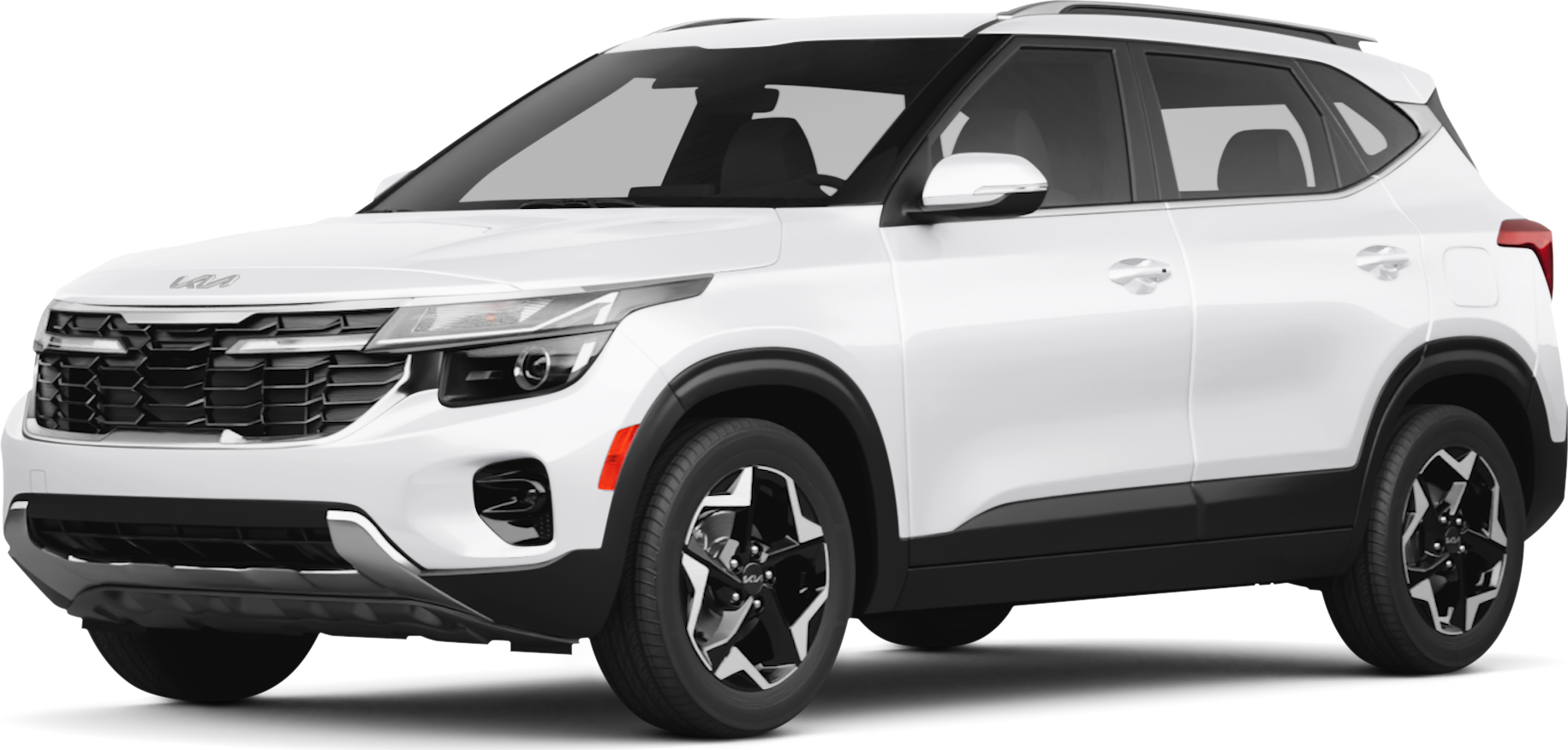 New 2026 Kia Seltos | ||
|---|---|---|---|---|---|
| Price | $30,585 | $26,085 | N/A | $25,135 | |
| KBB.com Rating | 4.3 | 4.5 | 4.8 | 4.7 | |
| Consumer Rating | 3.7 | 4.1 | 3.7 | 4.2 | |
| Fuel Economy | City 29/Hwy 36/Comb 32 MPG | City 31/Hwy 33/Comb 32 MPG | City 28/Hwy 35/Comb 31 MPG | City 28/Hwy 34/Comb 31 MPG | |
| Fuel Type | Gas | N/A | N/A | N/A | |
5 Year Cost To Own 5-Year Cost to Own includes out of pocket expenses like fuel and insurance, plus the car’s loss in value over time (depreciation). | N/A | N/A | N/A | $44,208 | |
| Safety Rating | 5.0 | N/A | 4.0 | 5.0 | |
| Seating Capacity | 5 | 5 | 5 | 5 | |
| Basic Warranty | 3 years or 36000 miles | 3 years or 36000 miles | 5 years or 60000 miles | 5 years or 60000 miles | |
| Horsepower | 201 @ 5600 RPM | 169 @ 6600 RPM | 147 @ 6200 RPM | 147 @ 6200 RPM | |
| Engine | 3-Cyl, Turbo, 1.5 Liter | 4-Cyl, 2.0 Liter | 4-Cyl, 2.0 Liter | 4-Cyl, 2.0 Liter | |
| Drivetrain | FWD | FWD | FWD | FWD |
Best SUVs


More Nissan Rogue News & Information
The Nissan Rogue is known for its comfortable Zero Gravity seats and a wide selection of interesting trim levels. Let’s explore its cabin.
The Nissan Rogue Platinum pushes Nissan’s compact SUV into near-luxury territory. Let’s explore what it comes with.
Learn about the 2025 Nissan Rogue and decide if this compact SUV is right for you and your family.
FAQs
Will the 2026 Nissan Rogue hold its value?
Yes, historically, the Nissan Rogue does a bit better than many in its segment for retaining its value.
What is the cheapest 2026 Nissan Rogue?
The 2026 Nissan Rogue S is the least expensive trim.
Does the 2026 Nissan Rogue get good gas mileage?
Yes, at 32 mpg in combined city/highway driving, the Rogue is the most fuel-efficient non-hybrid compact SUV. The new Rogue PHEV with all-wheel-drive (AWD) nets 26 mpg combined, or it can travel 38 miles on electric power alone, meaning driving around town can be done without the gas engine.
Is the 2026 Nissan Rogue a good buy?
The 2026 Nissan Rogue is a good buy for most Compact SUV/Crossover shoppers. It gets strong ratings from our experts and most buyers are paying less than sticker price.
What is the MPG for a 2026 Nissan Rogue?
2026 Nissan Rogue city/highway fuel economy ratings range from 27/32 mpg to 29/36 mpg, depending on trim and equipment.
How much should a 2026 Nissan Rogue cost?
A 2026 Nissan Rogue should cost between $29,600 and $38,500 according to Kelley Blue Book Fair Purchase Pricing.
What's the cheapest Nissan Rogue?
The cheapest 2026 Nissan Rogue is the S, with a starting sticker price of $30,585 and a Kelley Blue Book Fair Purchase Price of $29,600.