
- The federal agency most responsible for car safety is behind on much of its work, in some cases by more than a decade, according to a new report.
The National Highway Traffic Safety Administration (NHTSA) is so far behind on its work that it’s late with a mandatory report on how far behind it is.
Industry publication Automotive News reports the agency “has settled into a pattern of delaying new crash tests, rules and other safety requirements.” The trend has the automotive industry frustrated, left “without clear guidance at a time of unprecedented technological change and innovation.”
What NHTSA Does (And Isn’t Doing)
- Congress writes broad laws; federal agencies decide the specifics.
- For NHTSA, that means everything from crash testing to rules about headlight brightness.
Federal agencies like NHTSA don’t get much press coverage, but they have tremendous influence over the everyday lives of Americans.
Congress writes laws broadly, and instructs federal agencies to decide the specifics. In NHTSA’s case, a federal law created the agency and charged it, in the agency’s own words, “to help reduce the number of deaths, injuries, and economic losses resulting from motor vehicle crashes on the Nation’s highways.”
Broad instructions like that go into the United States Code — the full body of laws passed by Congress. Federal agencies then write the Code of Federal Regulations — a related but longer, more specific body of documents explaining how the government will carry the laws out. Congress might create an agency to ensure water safety. It won’t specify safe levels of specific chemicals in water. The agency does that with regulations.
Those regulations then have the force of law in the courts.
Congress periodically instructs an agency to issue new regulations and sets deadlines for them. Automotive News reports, “NHTSA has missed at least 10 statutory deadlines for rule-making.”
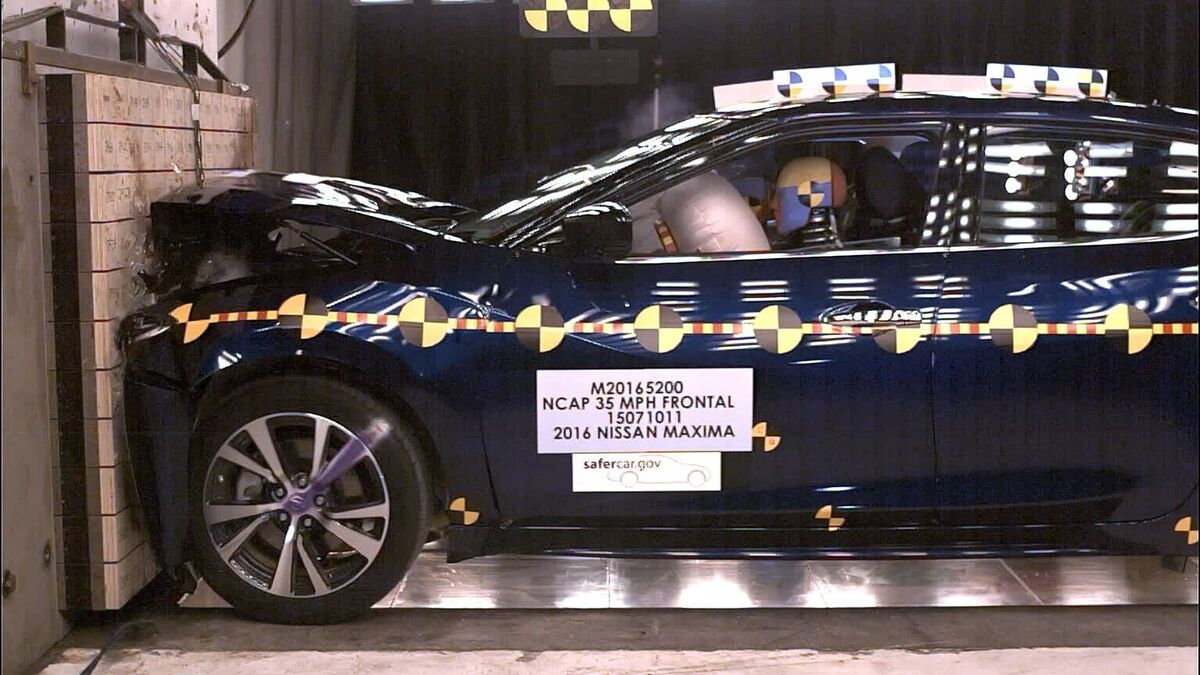
Missed deadlines cover everything from new crash-test dummy designs meant to better model injuries to a rule requiring a sticker instructing you on how to report a safety defect in your new car.
This Isn’t Just Political — It’s Too Old a Trend for That
- Republican administrations are often reluctant to write new regulations, but this problem dates back much longer than one administration.
- It has contributed to political controversy, such as misinformation over a purported “kill switch” in new cars.
Federal agencies often slow down rulemaking under Republican presidents. That’s arguably appropriate, as the election of a conservative executive can signal that the American people want less regulation.
But this problem dates back much longer than any one presidency. AN’s report points to two rules that are now 15 years late, both related to alternative fuels.
Late rules can contribute to political controversy. One rule, due two years ago, would require automakers to install passive technology meant to help detect impaired drivers. Without federal clarity on what that means, rumors have lit up the Internet, triggering a controversy over claims the federal government wants a “kill switch” in every car.
Related: Explaining the Car ‘Kill Switch’ Controversy
Safety advocates who support the move, including Mothers Against Drunk Driving, have struggled to diffuse the controversy without any actual rule to point to.
The Industry Is Worried
- Automakers are growing alarmed, with their major trade group telling AN the agency isn’t keeping up with technology.
The automotive industry wants clarity.
The Alliance for Automotive Innovation is the largest trade group representing automakers in Washington, D.C. The industry frequently speaks through the alliance when it needs to convey a message to Congress and the public.
Alliance President John Bozzella told AN that NHTSA “has become less transparent and less collaborative.” He added, “The agency isn’t nimble; rulemakings take too long — if they come at all. NHTSA isn’t rating new safety technologies fast enough or often enough to help consumers make informed purchasing decisions.”
Rules on automatic emergency braking and other safety technologies, keyless ignition systems, and advanced headlights designed not to blind oncoming drivers all sit on the list of late rules.
“One of those is a legally required biannual rule-making status report, the last of which was delivered in December 2024,” AN notes.
“That means even NHTSA’s report about agency lateness is late.”
Other Organizations Contribute to Safety
- The insurance industry has its own testing program, and foreign safety rules affect American cars.
The automotive industry hasn’t been left entirely without guidance.
The insurance industry operates its own safety lab, the Insurance Institute for Highway Safety (IIHS). The IIHS has a reputation as a tougher grader than NHTSA, in part because it moves so much faster.
Related: Why You Should Pay Attention to IIHS Safety Scores
In recent years, it has adopted new whiplash tests, added a back-seat dummy representing a child to some tests, and spurred an industry-wide move toward better headlights with a new rule that it will not give safety awards to cars that charge extra for better lighting.
Foreign crash-test programs also affect American car design, as most cars are sold in many countries. When the European Union, Japan, or China, with their large car markets, tighten safety rules, automakers tend to comply on a global scale.