

Back in January, we detailed the HALT Drunk Driving Act, which was passed in 2021 as part of the Infrastructure Investment and Jobs Act. The law is back in the headlines this week as it’s now expected to go into effect late this year or early in 2027. There has been quite a bit of chatter online about what the legislation will require of automakers, so it’s a good time for a quick refresher.
The law directed the National Highway Traffic Safety Administration (NHTSA) to codify rules for “Advanced Impaired Driving Prevention Technology.” The agency missed its 2024 deadline to establish those policies but was granted an extension, which is about to expire. In a statement to Kelley Blue Book, the NHTSA noted that it “continues to evaluate and analyze the information contained in the more than 3,000 unique comments received in response and to conduct the research and other activities described” in its report.
NHTSA was tasked with creating a new Federal Motor Vehicle Safety Standard (FMVSS) “that requires passenger motor vehicles manufactured after the effective date of that standard to be equipped with advanced drunk and impaired driving prevention technology.”
Known colloquially as a “kill switch,” the tech will likely function as it’s described in the law. We’re talking about in-cabin camera systems and monitoring features that work to detect drowsy, drunk, or otherwise impaired drivers.
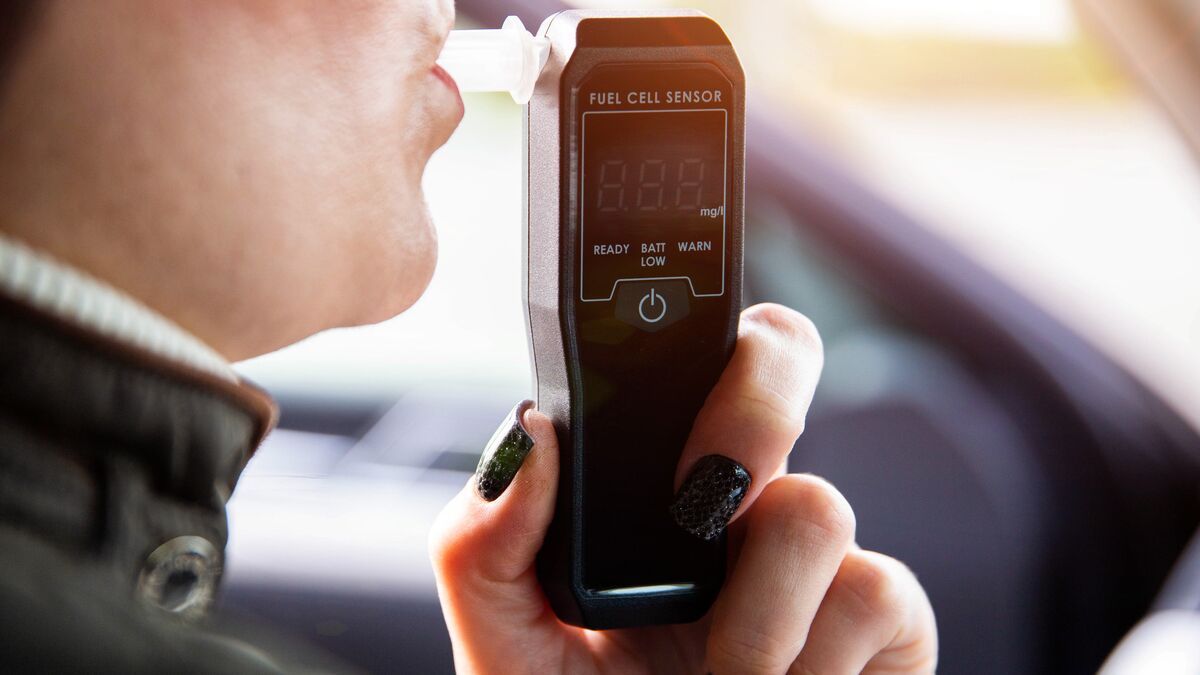
Blood alcohol content (BAC) detection is also part of the package, but the law requires that the monitoring systems be passive, unlike some of the relatively old-school hardware today, which requires drivers to blow into a tube to ensure a BAC of 0.08% or less.
We don’t yet know how automakers would implement such a system, but there are existing technologies to detect BAC through cabin air quality monitoring and infrared sensors. The jury’s still out on the effectiveness of such technologies, though, with NHTSA saying that, “Of the technologies reviewed, most were in an early state of research and development or were not designed for in-vehicle use. Though the two 2024 reports documented some promising technologies, neither report found commercially available technology that detects driver alcohol impairment accurately and passively.”
It’s also unclear how the “kill switch” functionality will work. Depending on how and when the systems detect an impaired driver, the car might not start or enter a “limp mode,” limiting the vehicle’s speed and other functions.
Artificial intelligence (AI) will likely play a role in the computing side of the equation here, which, combined with more monitoring hardware, raises privacy concerns for drivers. Many new vehicles already have sensors and other systems to help them stay focused, but the upcoming law represents a notable expansion of driver monitoring technologies.
Regardless of thoughts on privacy, there’s no doubt that drunk and impaired driving has deadly consequences. Mothers Against Drunk Driving (MADD) has pointed out that this new law could save more than 10,000 lives each year.