
The 1940s were a tumultuous time. America was involved in World War II, and resourcefulness was at the forefront of many families’ minds. Meanwhile, technological advancements were plentiful, and the U.S. emerged as a world superpower. Despite this (or perhaps as a byproduct of this era), automotive innovation continued to blaze on throughout the decade.
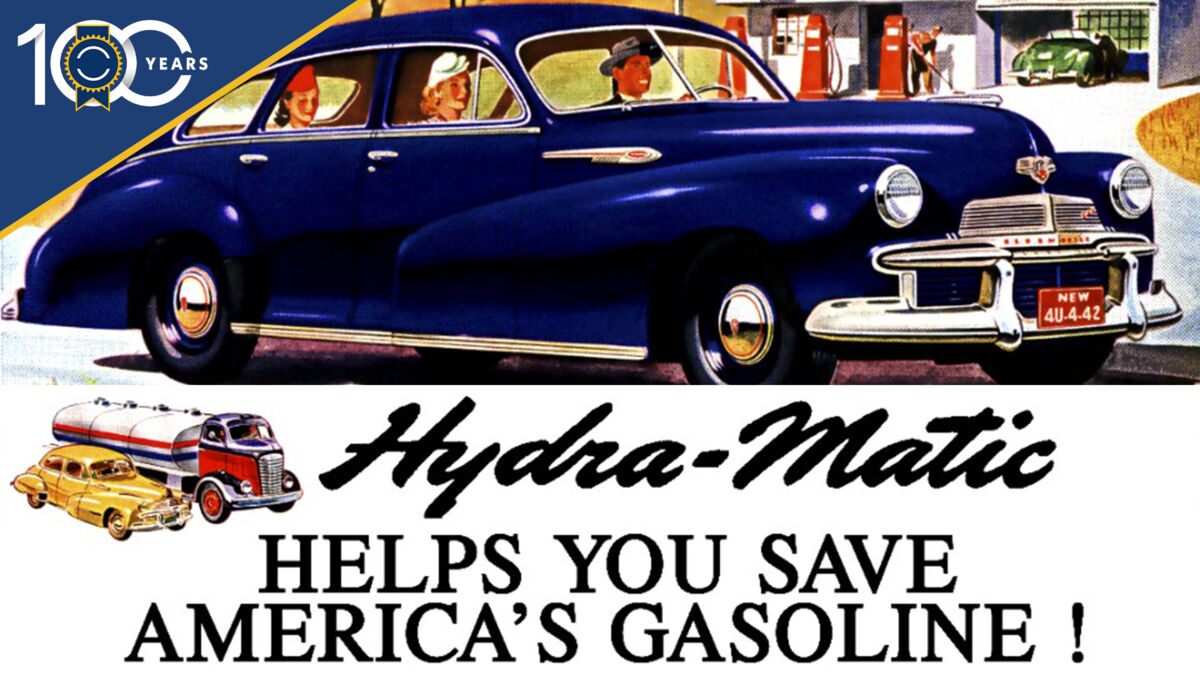
The decade’s most important innovation arrived at the very beginning, in 1940, when Oldsmobile introduced General Motors’ Hydra-Matic Automatic Transmission.
The First Mass-Produced Automatic Transmission
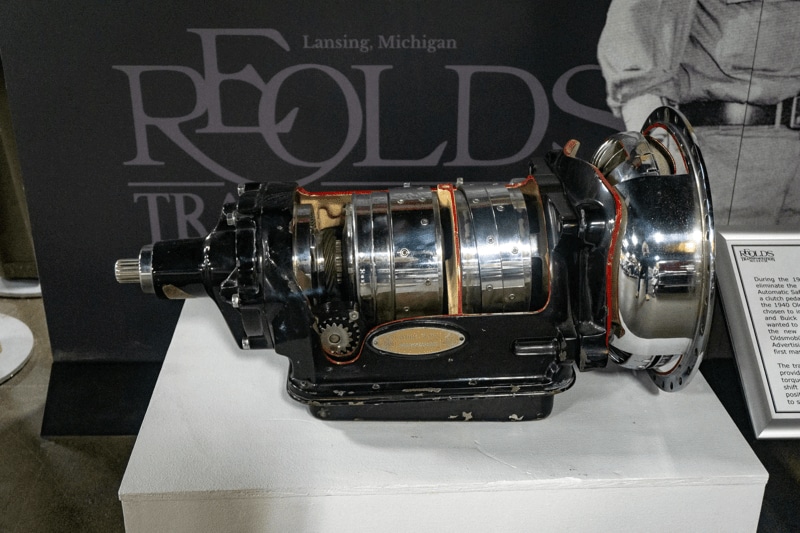
Prior to this innovation, every vehicle on the road needed some manual involvement in shifting. Ford’s Model T used a unique two-speed planetary gearset, often called a “three-speed” at the time (two forward, one reverse) was relatively easy to use, but GM’s Hydra-Matic was the world’s first mass-produced, fully automatic transmission. The Hydra-Matic closely resembled today’s automatic transmissions. Other manufacturers experimented with similar systems during the era, but GM was the first to mass-produce such an option across its entire vehicle lineup.
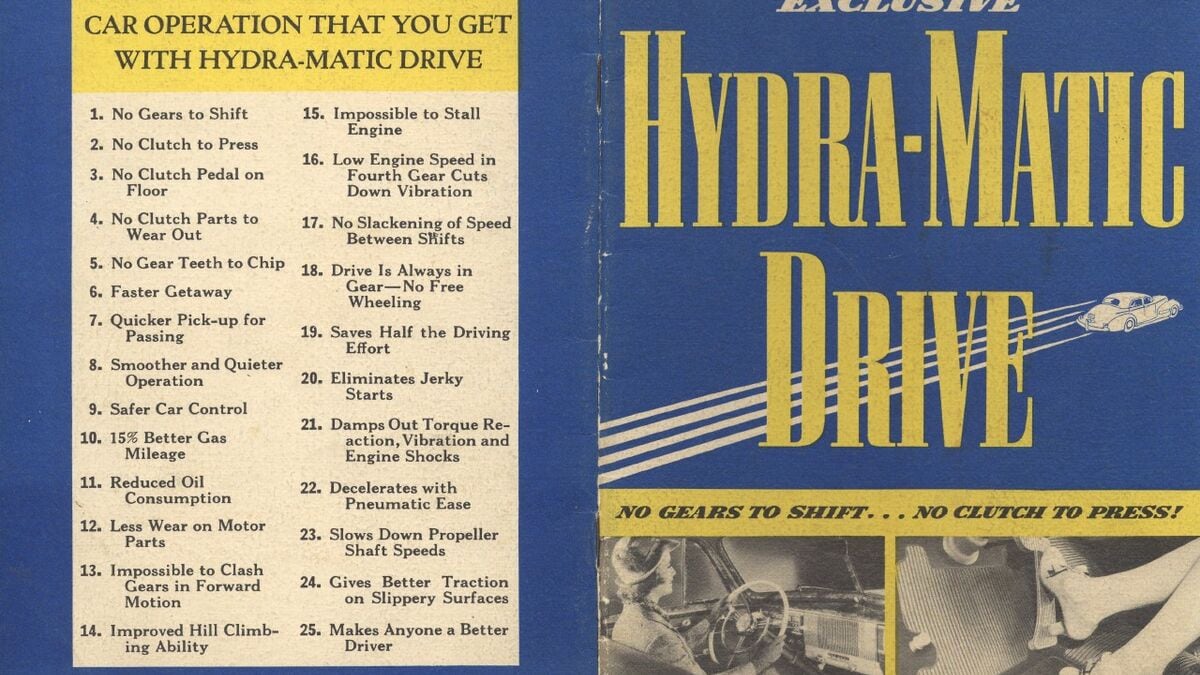
The effect of this technology cannot be overstated, as it opened the automobile market to many more consumers, eliminated the need for driver skill in gear shifting, reduced stalling, and reduced drivetrain strain.