

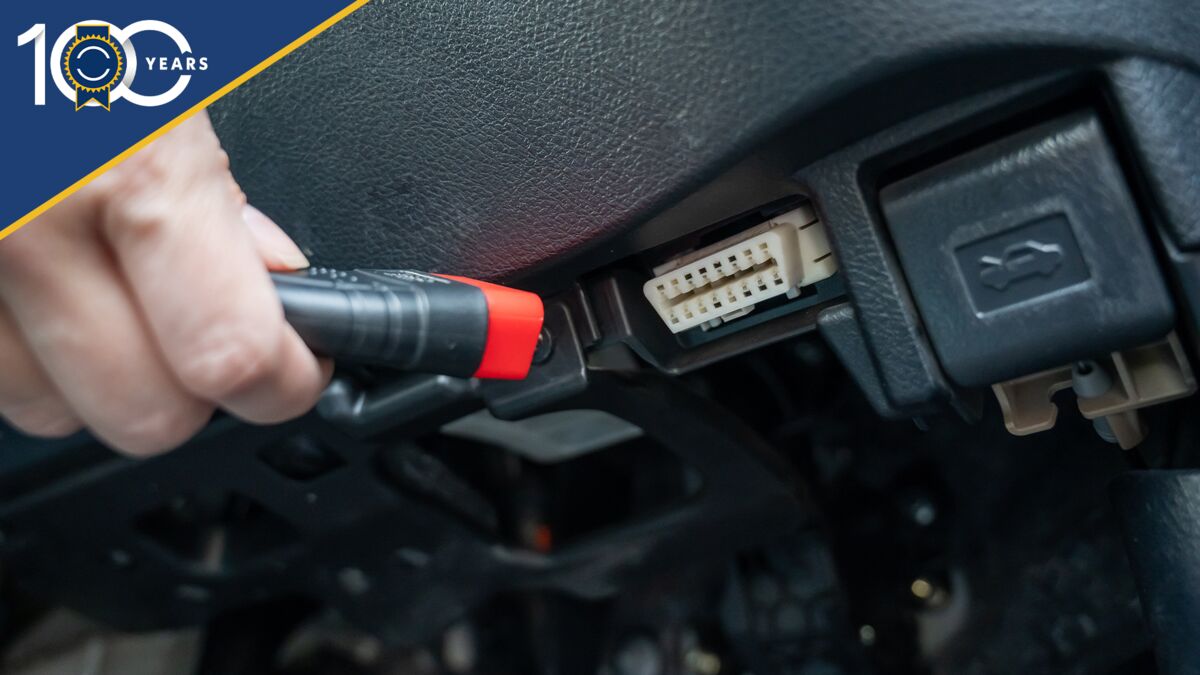
With the inclusion of computers in vehicles starting in the 1970s and 1980s, most cars on the road in the 1990s were eventually controlled by an electronic control unit, or ECU.
By this time, some regulators, including the California Air Resources Board (CARB), recognized the potential of on-board diagnostics (OBD) technology and began regulating under a single universal diagnostic standard, OBD-I. This regulation came into effect in California in 1991 for emissions-control purposes.
A Single Universal Diagnostic Standard
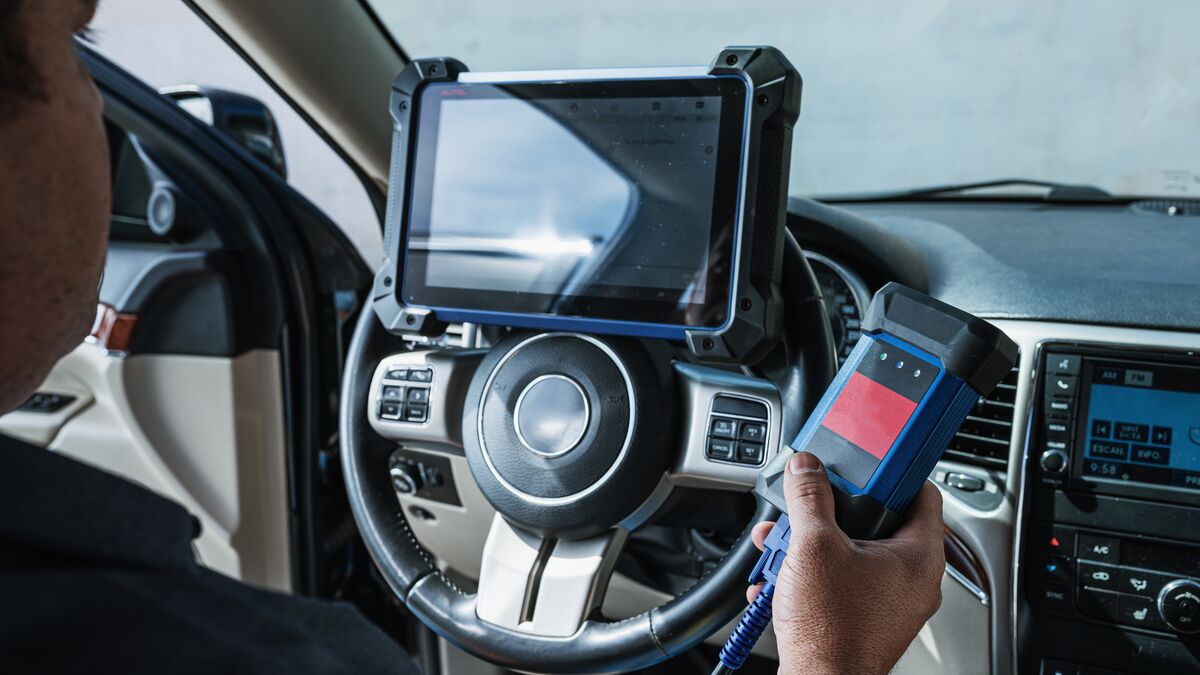
Afterwards, the OBD-II standard was recommended by the Society of Automotive Engineers (SAE) and was required for new passenger cars and light trucks beginning with the 1996 model year — nationwide under EPA regulations and in California under CARB regulations. This ubiquitous 16-pin connector established a universal access port standard, giving drivers unparalleled access to vehicle information, engine codes, diagnostics, and more. The data has many practical applications, including fleet management, remote diagnostics, and even tracking driving characteristics for insurance companies.
It seems like a simple addition, but this common connector can provide useful data for anyone, from a regular car owner to a master mechanic.