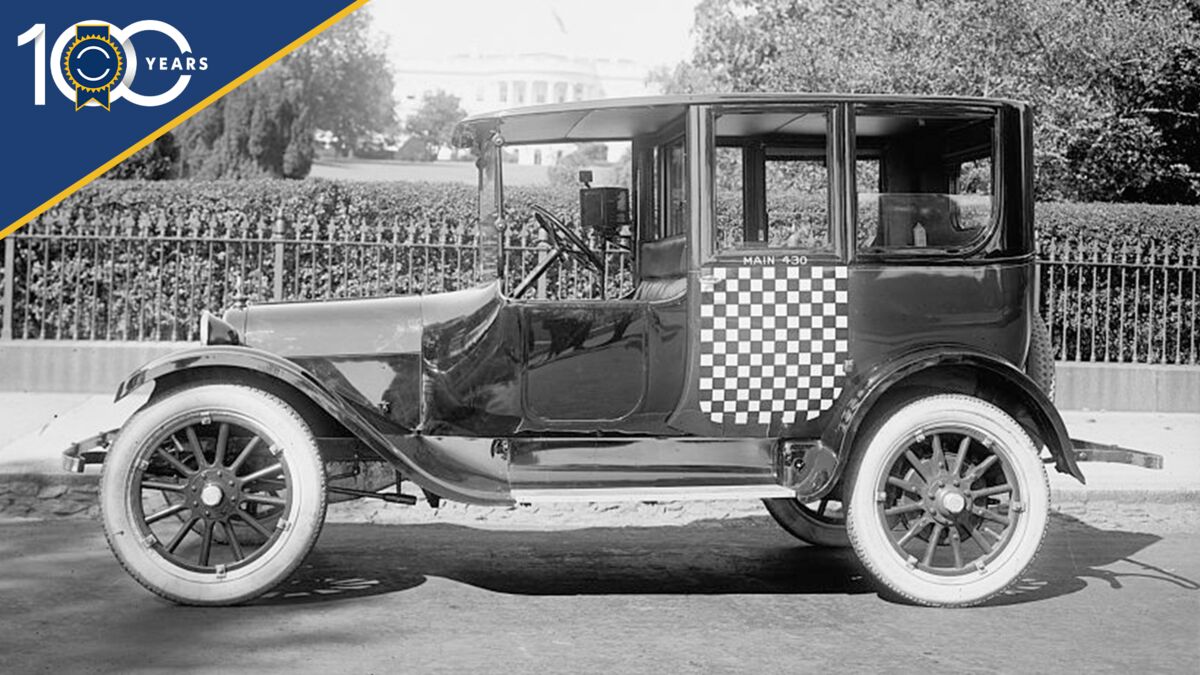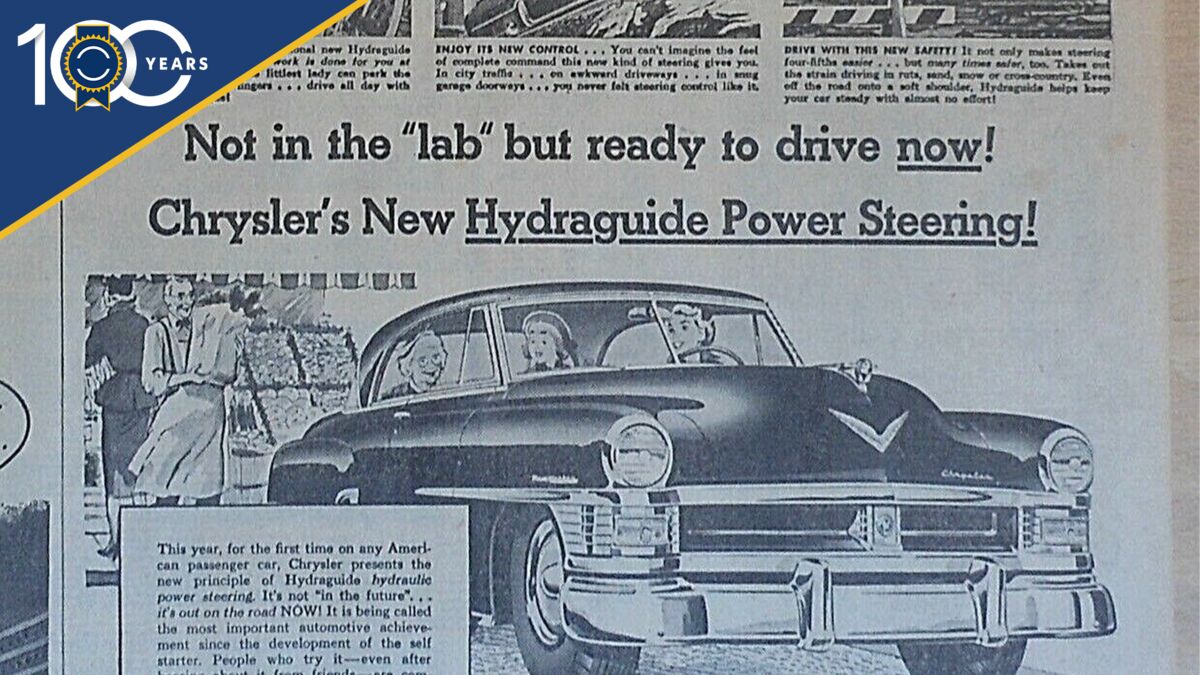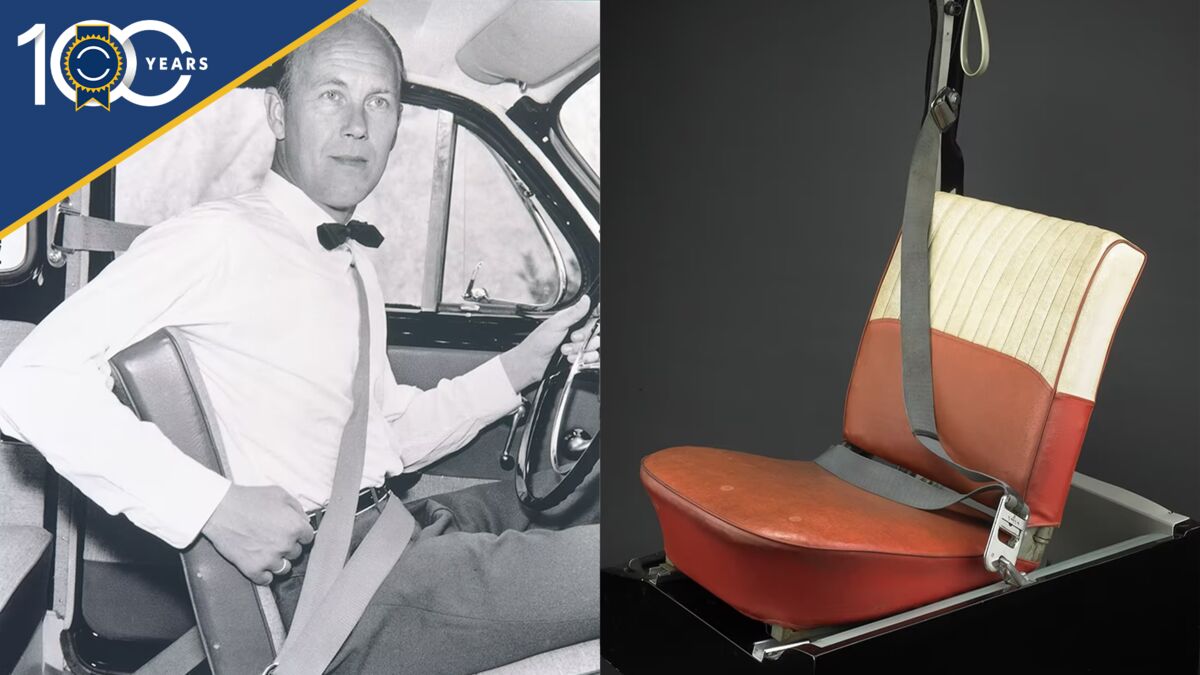

The 1930s were made for driving. More Americans had cars in their daily lives, more roads were getting paved, and Route 66 — “The Mother Road” — helped turn long-distance driving into a cultural phenomenon. But there was a catch. Plenty of those roads were still rough, inconsistent, and downright punishing at speed.
As drivers pushed their cars faster and farther, one problem became impossible to ignore — early suspension systems simply weren’t up to the job.
The Demonstration That Changed Everything
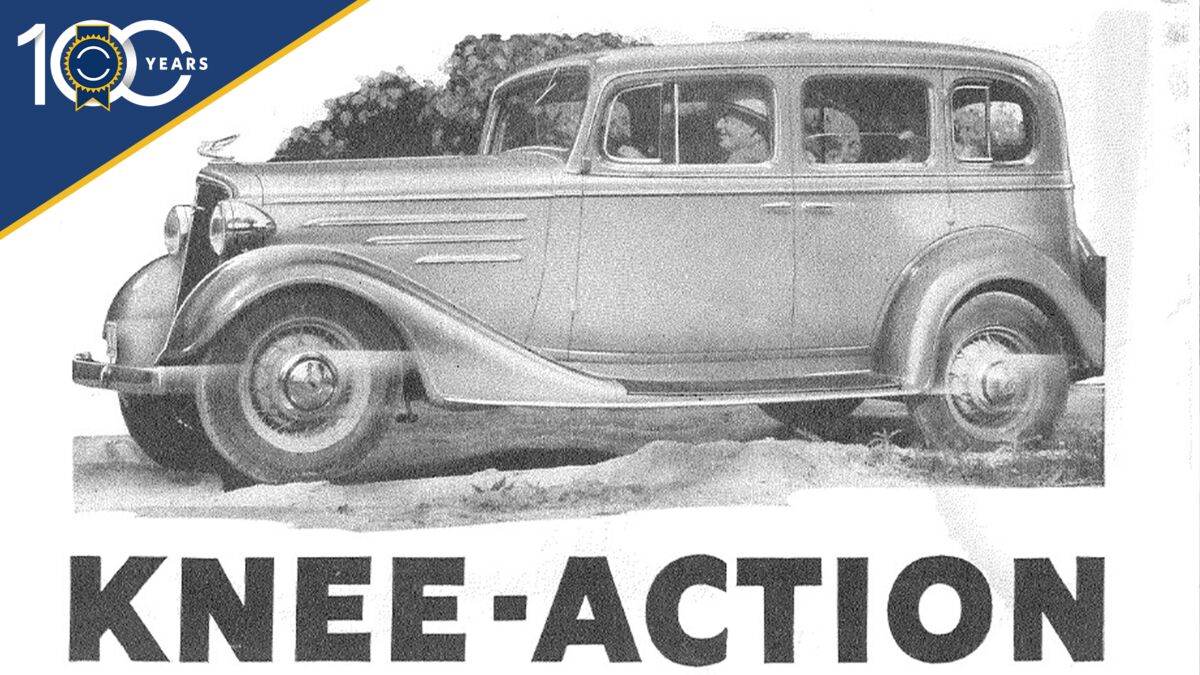
As verified by the GM Heritage Archive, in March 1933, engineers demonstrated two types of independent front suspension systems on Cadillac vehicles for executives from all five GM car brands (Chevrolet, Pontiac, Oldsmobile, Buick, and Cadillac). The winning design was introduced by French auto racer and aperitif heir André Dubonnet. This marked the birth of the Dubonnet system, also known within General Motors as “Knee Action.”
A New Type of Suspension
Knee Action was a new type of front suspension that used coil springs and control arms, enabling easier travel on the roads of the 1930s and paving the way for further advancements in driver control, safety, and comfort.
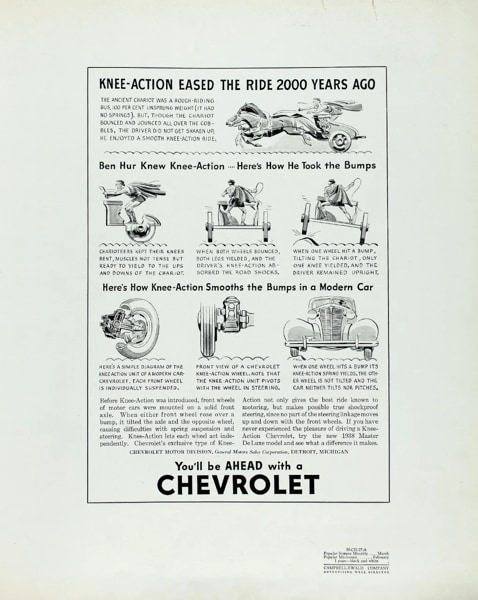
“The executives were impressed enough by the smoother ride to adopt the technology for the 1934 model year across GM divisions, with CEO Alfred P. Sloan and technical chief Charles F. ‘Boss’ Kettering reportedly backing the move,” according to the GM Heritage Archive. This early iteration of an independent front suspension, while relatively unrefined by modern standards, pushed the automotive industry to adapt and continue improving automobiles as they moved into the 1940s.