
Volvo and Polestar are both owned by China’s Geely, putting them at risk of import bans due to the U.S. government’s restrictions on connected car software. While the former company received approval last month, Polestar recently announced that it did not earn the same authorization.
Polestar’s press release on the subject noted that it would focus its strategies on Europe going forward, a move that follows a decision by the U.S. Department of Commerce’s Bureau of Industry and Security “to not grant Polestar an authorization under the current Connected Vehicle Rule to sell vehicles in the U.S. from model year 2027 onwards.”
Polestar framed the ban as a refocusing on Europe, rather than a significant challenge.
CEO Michael Lohscheller said, “The automotive industry is entering a new phase, based on regional dynamics. Our strategy reflects that, with Europe being our largest growth engine, and our plans to manufacture Polestar 7 in Europe. Our record sales in 2025 and the first quarter of 2026 show that we are making strong progress, with several new market launches taking place in Europe this year. In addition, we will continue to invest in markets where we have opportunities to continue growth, like Southeast Asia, Eastern Europe, Latin America, and Canada.”
This might sound like a death sentence for the automaker, which sold just over 60,000 vehicles last year, but the company said that 94% of its sales volume in the first quarter of 2026 came from markets outside the United States. However, no access to U.S. sales could complicate Polestar’s long-term growth potential if it is unable to reach a deal with the government.
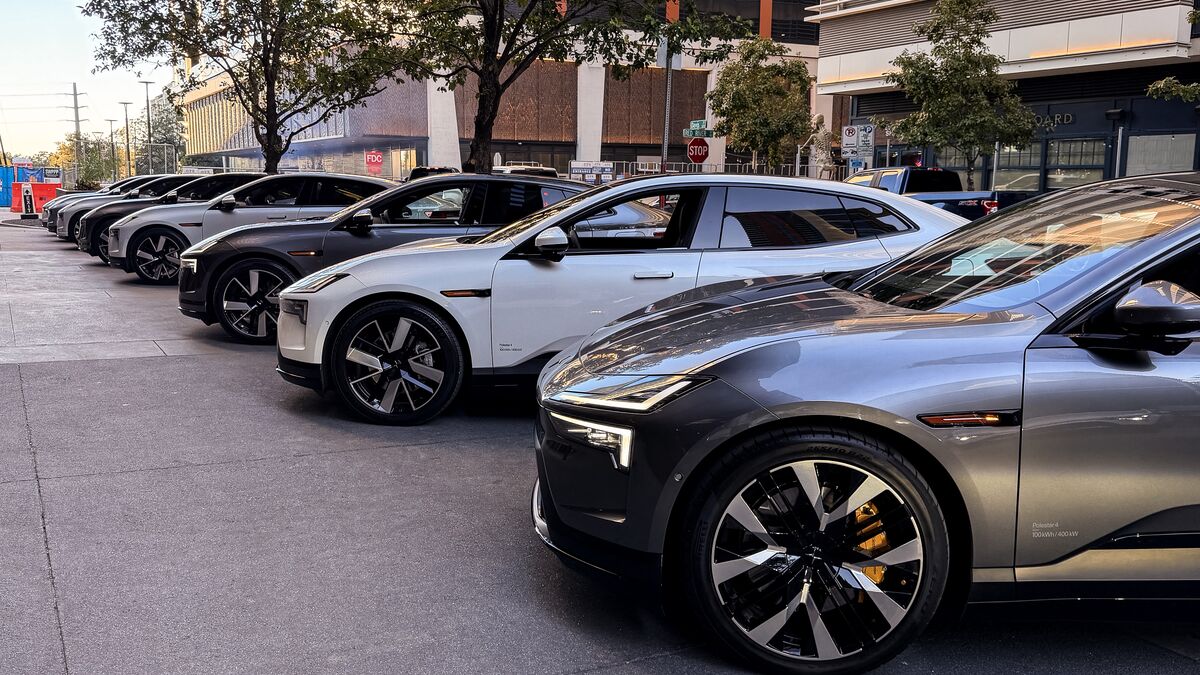
While Polestar hasn’t commented on its plans for the U.S., the company will likely continue negotiations and could potentially be granted authorization at some point in the future. The automaker will sell its remaining stock of Polestar 3 and Polestar 4 vehicles and said that its dealer network would continue providing service to existing owners.