
Despite being a storied Swedish brand, Volvo is owned by China’s Geely, which poses significant hurdles for its vehicles in the U.S. market. Early last year, data security rules enacted during the Biden administration clamped down on technology from China, potentially creating big headaches for Volvo. The automaker now has some relief, as it recently received government approval to continue selling its connected cars here.
The U.S. created the rules due to worries over Chinese government-backed spying. They took effect earlier this year and cover vehicles for the 2027 model year and beyond. While the regulations are just kicking off, many lawmakers are already eying ways to make them even more restrictive.
Volvo builds some models in the U.S., but much of its hardware and software has roots in China, so the new regulations could have been a big problem. Volvo’s South Carolina factory will add the midsize XC60 SUV later this year and a new hybrid model by 2030. All other models are produced in European facilities.
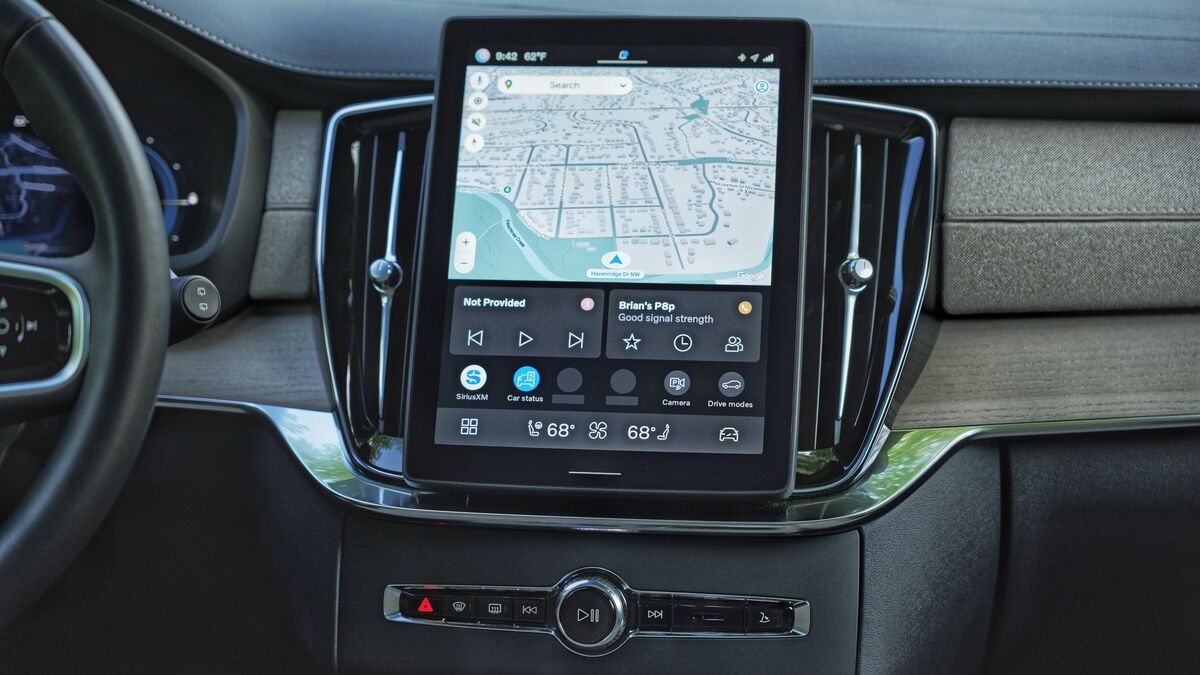
In its announcement, the automaker said, “Given our ownership, Volvo Car USA was required to follow a process with the U.S. Department of Commerce to obtain a specific authorization for the continued import and sale of connected cars in the U.S.”
We don’t know the full scope of the Commerce Department’s authorization, but Volvo said it discussed “governance, technology, and data security” with the government agency. The automaker’s closely related sibling, Polestar, faces the same challenges, but said that it would continue “to work with U.S. authorities to meet the requirements of the announced regulations.”
Neither company’s U.S. sales volume is particularly significant. Last year, Volvo sold 121,607 vehicles here, a figure that accounted for around 20% of Volvo’s revenue. Software development isn’t cheap or fast, so an import ban could have crippled the automaker’s operations until it found a workaround.