
- Legislation passed in 2024 requires automakers selling internet-connected cars to protect domestic abuse survivors from potential tracking.
- Group representing automakers says they need more time for development.
- Bill before the state legislature would grant an extension, but automakers say it must be signed by July 1 to avoid affecting sales.
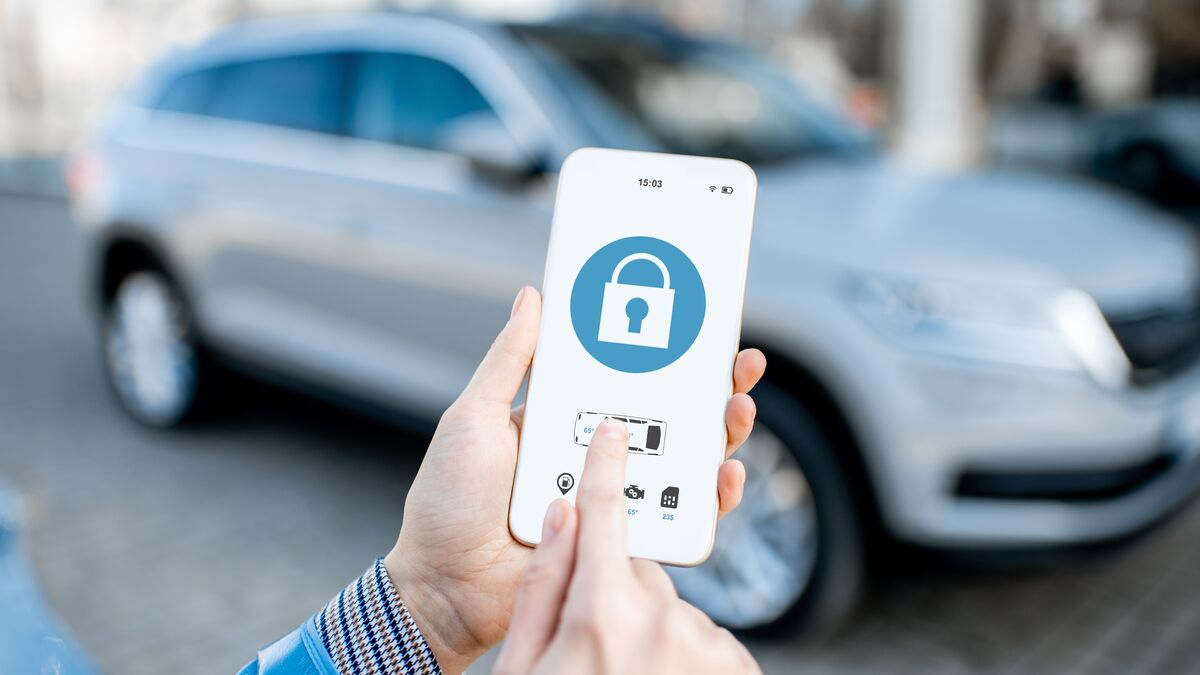
Internet-connected cars have many benefits, but there’s a potential dark side we often don’t consider. While an app for your car can come in handy, it can also be used to track the car from afar. Victims of stalking and domestic abuse are asking automakers to turn off these controls. Unfortunately, it’s not proving to be easy.
The 2024 Law
Back in 2024, Gov. Gavin Newsom signed a bill requiring automakers selling internet-connected cars to protect domestic abuse survivors. California SB 1394 gives automakers two days to act once a victim proves they are in legal possession of a car and possess a restraining order or divorce decree.
Under the bill, by July 1 of this year, the law requires an in-vehicle mechanism to disable location access for cars that can receive the required software updates. By Jan. 1, 2028, vehicles manufactured on or after that date will require the in-vehicle disabling mechanism and must indicate when someone outside the vehicle has accessed connected vehicle services or information about the vehicle’s location.
The Call for a Delay
The Alliance for Automotive Innovation, which represents several automakers, said automakers are implementing the victim protections required by the 2024 law but can’t yet comply with all of them. This is due to extensive engineering, testing, and integration among vehicle systems.
A bill before the state legislature — SB 719 –would grant an extension, but the alliance says it must be signed by July 1 to avoid affecting sales of both new and used cars in the biggest U.S. auto market. California accounts for about 10% of auto sales.
There have been past cases of “technology-enabled stalking” with vehicles. Hopefully, a solution will be reached to make cars safer in a more reasonable amount of time.