
- In addition to the initial purchase, the Cybercab costs $299 per month to operate.
- Orders require a $1,000 nonrefundable deposit.
- Personal Cybercabs are geofenced to operate only in select locations in Texas (Austin, Dallas, Houston, Fort Worth, and San Antonio) and Florida (Miami, Orlando, and Tampa).
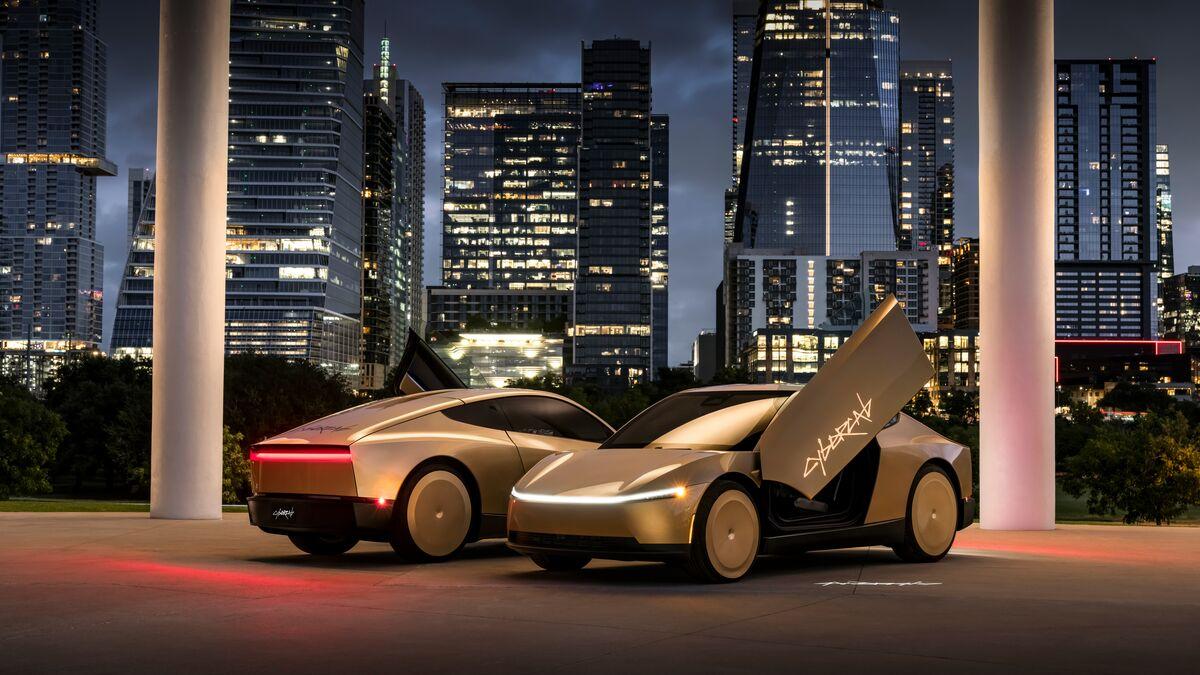
Tesla has started inviting select customers to purchase the Cybercab for personal use, with initial deliveries slated for December. Priced at $29,990 before undisclosed delivery fees and taxes, the steering-wheel-free two-seater aims to fulfill CEO Elon Musk’s 2024 promise of a sub-$30,000 autonomous vehicle. Notably, it undercuts the base Model 3 by $7,000, making it Tesla’s most affordable car, if you can call it a car.
Regardless, buying a vehicle without pedals or a steering wheel comes with significant operational strings attached. Those strings turn that sub-$30,000 sticker price into a much larger financial commitment and raise questions about why everyday buyers wouldn’t be better served by conventional personal transportation.
Lots of Cybercab Fine Print
Because the Cybercab cannot be driven manually, Tesla will not allow it to move without an active software plan. The manufacturer has clarified that on-screen controls will allow minuscule movements of up to 2 mph, but moving it like a car will, in large part, require additional funds from the buyer. Otherwise, you’ll be stuck with a large, gold-colored lawn ornament. Other fine print includes:
- Mandatory autonomy subscription: Buyers must pay $299 per month (after a single included free month) to keep the vehicle operational. That adds $3,588 per year, bringing the five-year cost of ownership to nearly $48,000 before factoring in taxes, charging, insurance, or certain maintenance items. (Note: On X, Musk stated the $299 fee is “too high” and suggested it should eventually align closer to standard FSD and connectivity pricing around $115/month, though the order page still notes $299 at time of purchase).
- Nonrefundable deposit and terms: Placing an order requires a $1,000 nonrefundable deposit. Tesla’s subscription agreement also mandates regular maintenance, prohibits aftermarket wraps or wheel changes without approval, and enforces a 3-strike policy that can suspend driving access for a week. No pro-rated refunds will be provided if strikes render the autonomy subscription inoperable.
- No commercial income yet: Despite past promises of passive ride-hailing income, Tesla’s current terms strictly prohibit owners from putting personal Cybercabs on the Robotaxi network or third-party platforms until at least Q2 2027.
MORE: Tesla’s Driverless Cybercab Debuts While NHTSA Reviews Compliance
Where It Works, Where It Won’t
Unlike a traditional car, personal Cybercabs are geofenced to Tesla’s active Robotaxi service territories in Texas (Austin, Dallas, Houston, Fort Worth, and San Antonio) and Florida (Miami, Orlando, and Tampa), with initial deliveries centered exclusively in Austin. Even within those cities, independent testing of Tesla’s Robotaxi app shows that real-world pickup and drop-off coverage spans only 59% to 78% of Tesla’s advertised maps, with vehicles frequently routing around obstacles such as railroad crossings.
For most consumers, that makes a Hardware 4 (HW4) Model 3 or Model Y a far more practical purchase. Those vehicles offer five seats, standard cargo versatility, and, most importantly, a steering wheel and pedals that let you drive anywhere in the country. Notably, the Cybercab runs on the same AI4 computer hardware as current Model 3 and Model Y vehicles. Yet, Tesla declined to enable unsupervised autonomy on privately owned Model 3s and Model Ys inside those exact same Texas and Florida geofences, pushing off that capability to at least Q2 2027.
Racing the Regulatory Clock in Texas and Washington
Shifting political and regulatory winds raise questions about the urgency of Tesla’s December delivery push. Tesla has operated under a favorable Texas framework enacted in May that allows automakers to self-certify Level 4 autonomous vehicles. However, following the November midterm elections, which saw Democrats flip the Texas House and sweep statewide executive offices in Texas, including the governorship, industry observers note Tesla may be eager to establish consumer deployments on the ground before a new state administration and legislature convene with potentially stricter oversight on autonomous vehicles.
At the federal level, regulators haven’t signed off yet either. The National Highway Traffic Safety Administration (NHTSA) ordered Tesla to prove how a vehicle lacking a steering wheel, brake pedal, and side mirrors complies with federal safety standards. Without a formal exemption, which typically caps deployments at 2,500 vehicles per year, broad nationwide availability remains an open question.
Does It Make Sense?
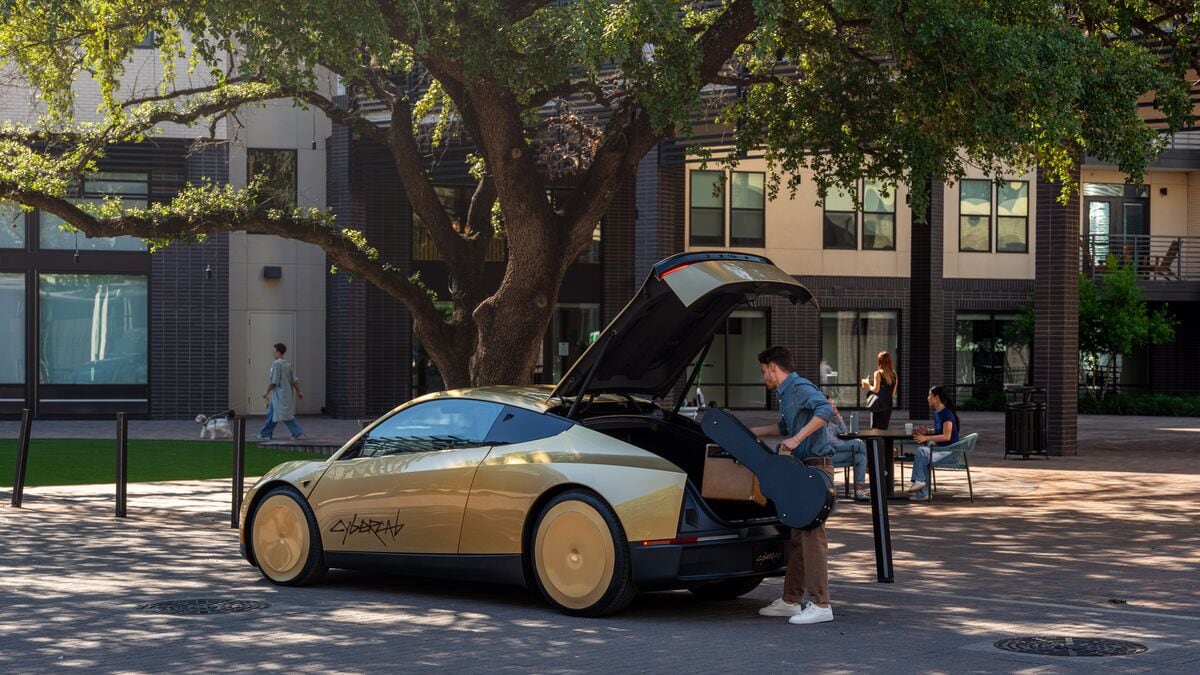
Who is the Cybercab for? Statistically, for most shoppers, the Cybercab will not fall under the umbrella of usefulness. Insurance costs are not yet known, and operating territory is minimal. Cybercab has already been shown not to include an onboard AC charger, making home charging impossible, though the personally owned version may integrate this functionality. For those based in the geofence, with most of their lives situated within it and heavily relying on Uber for transportation, this may be a plausible and financially sound use case.
But the math and limitations listed in both the large and fine print make it a tricky sell for the average EV enthusiast. Many Tesla vehicles offer the same semi-autonomous driving experience, dubbed “Full Self-Driving (FSD)” by Tesla, albeit under supervision, along with much more car for not much more money, especially when accounting for operational costs.
The deals get even better when you find a fair purchase price on a preowned HW4 Tesla model. The limited release and timeline for Cybercab seems to make sense for the most part, just to settle a bet between Elon Musk and the influencer Marques Brownlee, known as @MKBHD.
Time will tell whether Cybercab will ever add a steering wheel and pedals to enable adoption across the rest of the country as FSD continues to improve and approaches full autonomy.