

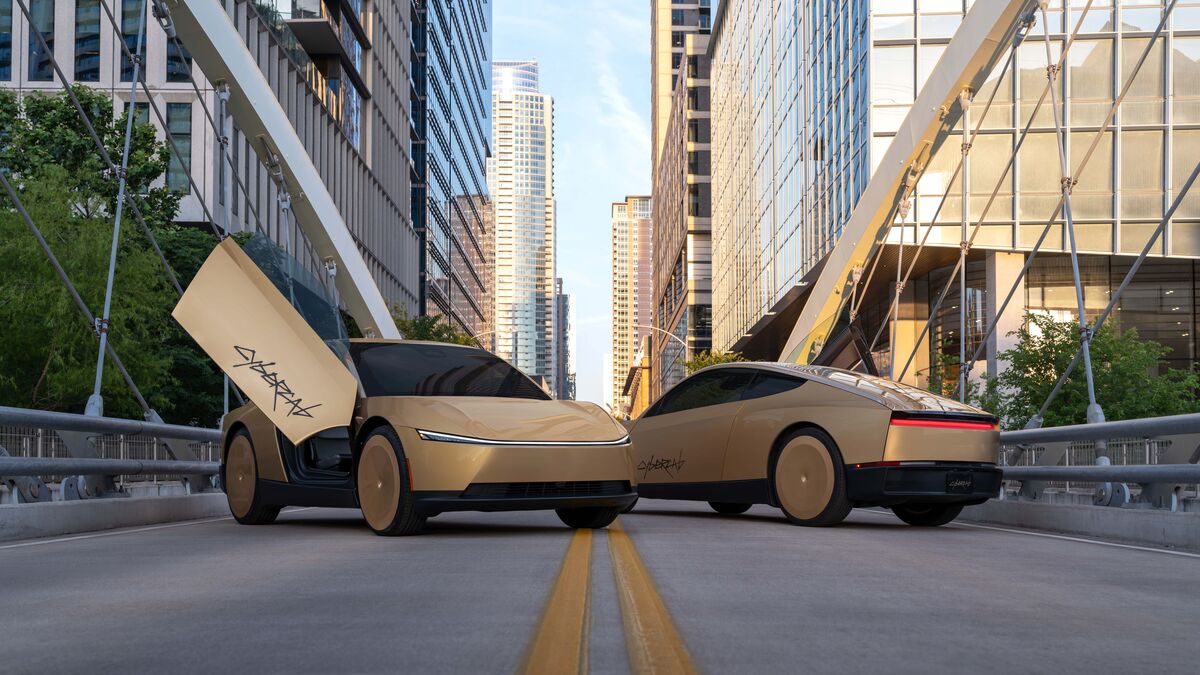
If you live in or happen to be visiting Austin, Texas, you may have noticed some gold, futuristic vehicles driving around this past week. If you got a closer look, you may have even noticed the absence of a steering wheel in the vehicle.
Welcome, Tesla’s newest but not so new debut: the Cybercab. Tesla initially unveiled the concept at an event in October 2024. Nearly two years later, the vehicle has finally fully hit the streets. Cybercab rides are available in limited areas of Austin.
What makes the Cybercab different from other autonomous vehicles on the market, like those from Waymo, and even its sibling, Tesla’s Model Y Robotaxi, is that it has no steering wheel or pedals. It also allows only up to two passengers and has butterfly doors that open automatically. Fancy ride-share driving.
NHTSA Takes a Closer Look
The National Highway Traffic Safety Administration (NHTSA) wasted no time looking into the Cybercab, opening an investigation hours after Tesla deployed them to the public.
Under standard federal safety regulations, manual controls such as accelerator and brake pedals are required in all vehicles. Regulators likely designed these standards with traditional vehicles in mind, so the current administration has proposed changes that would allow autonomous vehicles to operate without brake pedals.
Tesla told NHTSA that it has pre-certified the Cybercab and concludes that it complies with all Federal Motor Vehicle Safety Standards (FMVSS). NHTSA has not stated that Tesla is necessarily wrong. Nevertheless, it plans to examine the process and data Tesla used to certify the Cybercab and ensure that all laws are followed in accordance with federal standards.
Since lawmakers have not yet approved the proposed changes for autonomous vehicles, current standards remain in effect when determining compliance.
The Cybercab’s launch is yet another step in Tesla’s path to releasing autonomous vehicles. However, the vehicle’s success may depend just as much on regulatory acceptance as the technology itself. As NHTSA officials review how the Cybercab fits within existing safety rules, the rollout could become an important test case for the future of driverless transportation.