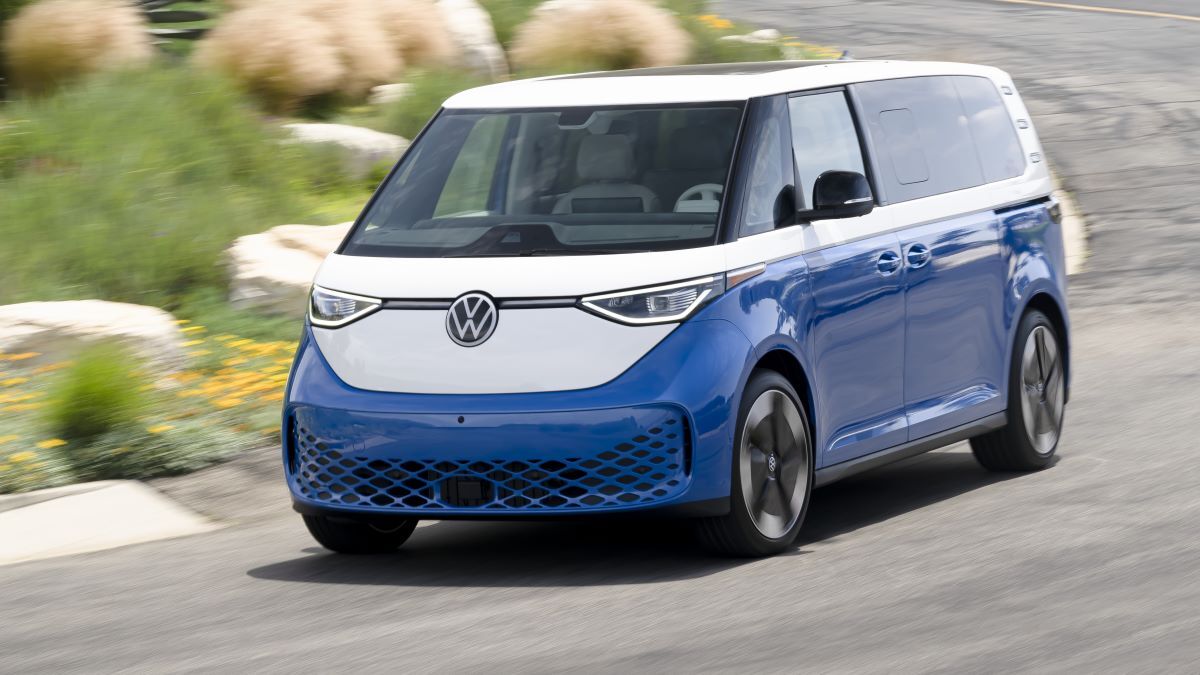

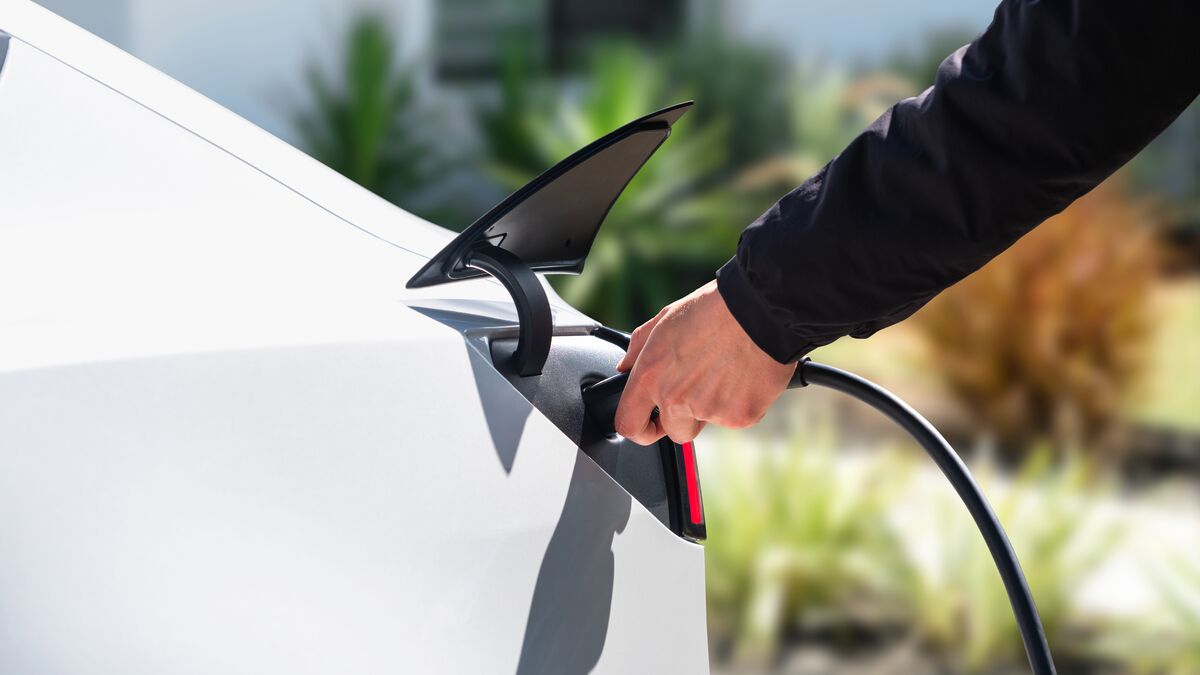
EV drivers may face a $130 fee for their electric vehicle. This fee comes from the bipartisan Build America 250 Act, a five-year surface transportation reauthorization bill.
An Investment in Infrastructure
The Build America 250 Act focuses on investments in bridges, railways, and other infrastructure to provide safe transportation. This bill also strengthens the Highway Trust Fund by expanding revenue streams.
Paying a “Fair Share”
One of those revenue streams would be an annual registration fee of $130 collected by each state for each EV and $35 for some plug-in hybrid vehicles. Starting in 2029, these fees would increase by $5 every two years, capping at $150 and $50, respectively. If a state does not comply, 125% of that state’s highway funds would be withheld. The fees are a way of ensuring that “all highway users pay their fair share for the use and improvement of the nation’s roads,” according to Sam Graves, the chairman of the Committee on Transportation and Infrastructure.
The Federal Gas Tax
Currently, Highway Trust Fund revenue comes from the federal gas tax, which EV drivers don’t pay. However, EV drivers do pay taxes on their vehicles, with fees varying by state. In 2024, a study showed that EV owners may, in fact, pay more taxes than those driving gasoline-powered cars.
With the federal gas tax at 18.4 cents a gallon, Consumer Reports points out that the average American is paying only $70 to $90 in taxes annually, far less than the $130 fee. Even though the proposed EV fee would increase every two years, the federal gas tax has not changed since 1993.
While this bill has not yet passed, its authors hope to have it on the President’s desk by September 30.