
The United States government continues its crusade against Chinese influence over the automotive industry. The Senate Commerce Committee on Wednesday approved a new bill that would bar automakers with more than a 15% Chinese ownership stake from selling vehicles in the U.S. While the bill needs changes before it can become a law, it would have a significant impact on one of the world’s most well-known luxury automakers.
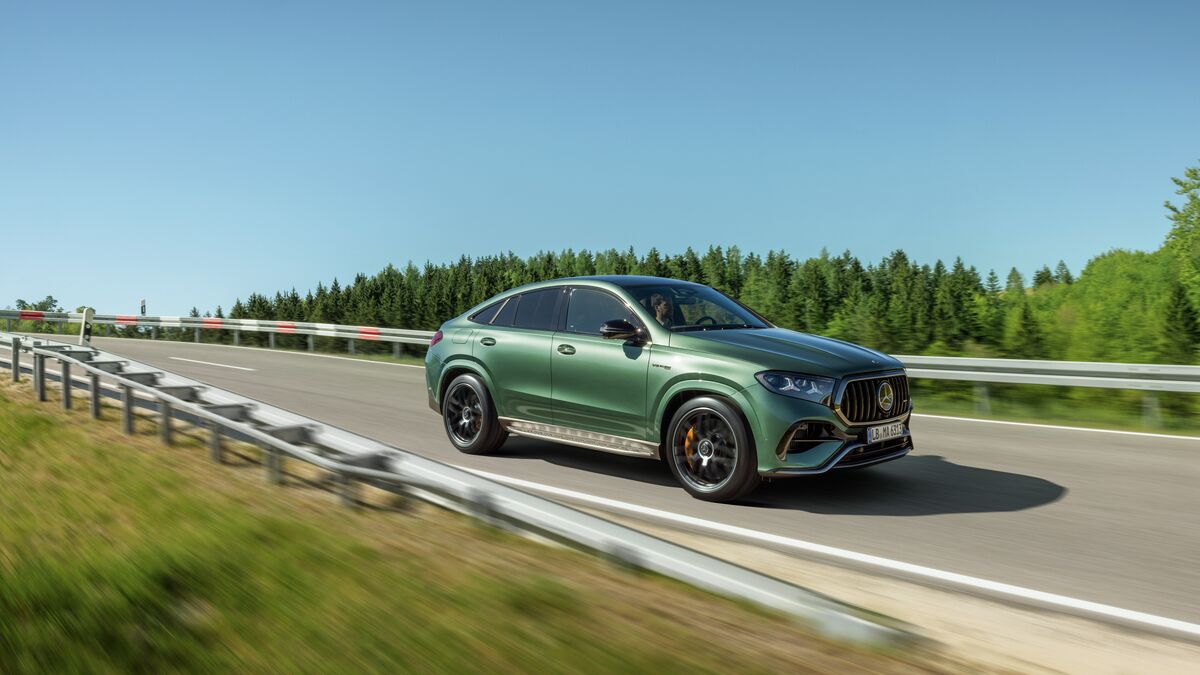
With nearly 20% Chinese ownership, the bill would make it impossible for Mercedes-Benz to sell vehicles in the United States. This is a little different than the regulations that caused Polestar’s problems, as it targets ownership, not technology or vehicle content. Sen. Bernie Moreno (R-OH) said Mercedes would have until 2030 to comply, and it may be able to get waivers to continue selling vehicles if the legislation were to be passed.
Mercedes told Reuters that it “continues to support legislation designed to protect U.S. national security,” saying that it supports legislation that doesn’t impact its operations. The automaker builds a range of SUVs at its Alabama factory and commercial vans in South Carolina.
Industry Motivation?
At least some of the motivation behind the proposed bill may be coming from within the industry, as Sen. Ted Cruz (R-TX) said General Motors is pushing for it to pass to make Cadillac more competitive. GM denied the targeted effort, saying it was only supporting “policies that protect and strengthen American manufacturing and the global competitiveness of U.S. automakers.”
Tariffs and other political pressures have led many automakers to move more vehicle production to American soil, which legislators view as a win. GM said it would move Chinese-built Buicks to the U.S., and Ford committed to doing the same with Lincoln models.
The Reality
It’s important to note that this bill hasn’t yet become law and may never make it that far. Despite that, we’ll likely see more political maneuvering as automakers and legislators negotiate a path forward.