
- The Motor Vehicle Modernization Act of 2026 would prohibit automakers with foreign-adversary ownership ties from producing or selling in the United States.
- Two China-based entities are Mercedes-Benz’s largest shareholders, together owning 19.67% of the company.
- Any company that “has any direct or indirect equity interest by a foreign-adversary government” is targeted by the bill.
- Lawmakers propose tens of thousands of bills each year, but pass only a small fraction.
A new U.S. House of Representatives bill could affect Mercedes-Benz’s and potentially other carmakers’ futures in America if passed. The bill, called the Motor Vehicle Modernization Act of 2026, recently added amendments that would prohibit automakers from manufacturing, selling, or importing vehicles in the United States if they are “controlled by a foreign adversary.”
Under this bill, any automaker with at least a 15% ownership stake, direct or indirect, in countries the U.S. considers foreign adversaries would be at risk. This includes countries such as China, Russia, and North Korea.
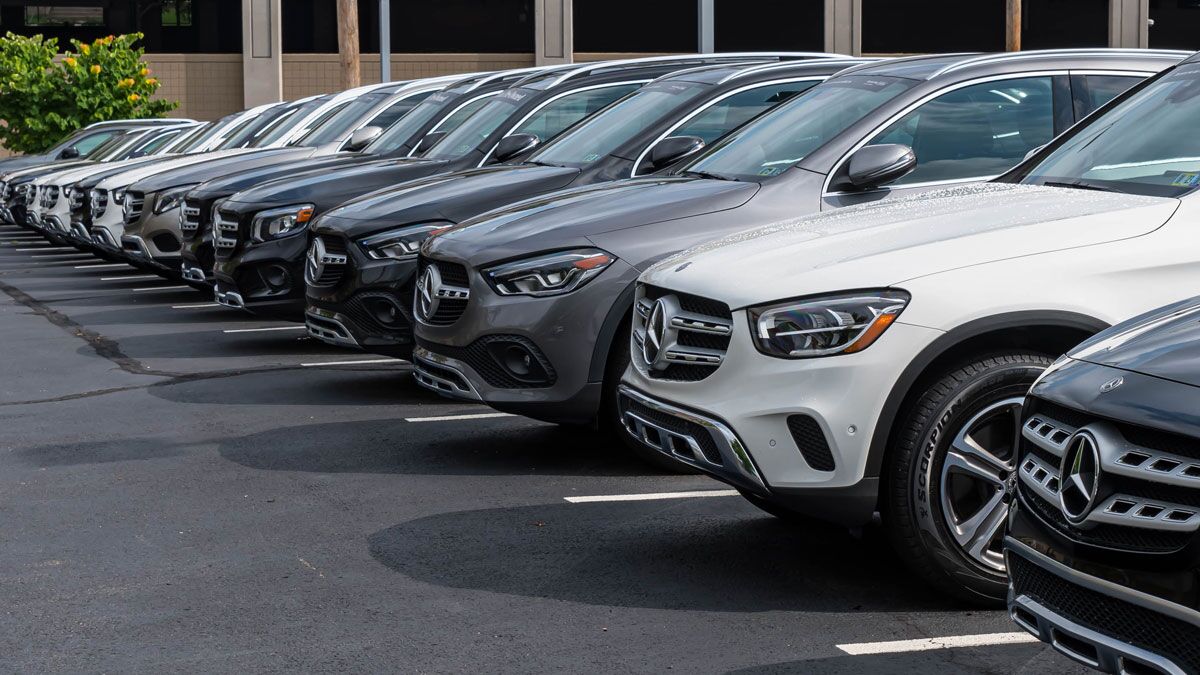
This is precisely why Mercedes-Benz could be at risk: two China-based investors hold major stakes in the company. Chinese automaker BAIC holds a 9.98% stake, and Li Shufu, a Chinese investor, holds 9.69%. Together, they total 19.67%, exceeding the provisions stated in the bill.
According to CNBC, representatives from Mercedes-Benz and the Energy and Commerce Committee declined to comment on how the legislation would directly affect the automaker.
Other sources, however, reportedly told CNBC that if lawmakers pass the bill as is, it “could ban Mercedes-Benz from operating in the U.S.”
Are There Exceptions?
The bill is part of broader efforts by the administration to limit Chinese companies’ involvement in the U.S. However, it does include some exceptions.
Any automaker that the bill defines as “controlled” by a foreign adversary and that has been manufacturing vehicles for 5 years prior to January 1, 2026, would be exempt.
Still, this does not cover any company that “has any direct or indirect equity interest by a foreign-adversary government.” This would make it harder for many companies to qualify for the exemption.
Don’t Forget This Takeaway
Yes, multiple sources believe the legislation could have an indirect impact on Mercedes-Benz and would put the company’s future in the U.S. at risk.
However, it’s important to keep in mind that lawmakers do not pass most bills that are introduced. GovTrack, a source that tracks Congress and the White House, states that “There are 16,309 bills and resolutions currently before the United States Congress, but only about 7% of those will become law.”
This bill would also directly affect the U.S. economy by eliminating jobs for many Americans. Tens of thousands of employees work for Mercedes-Benz in the United States. The company’s largest plant in Tuscaloosa, Alabama, exports nearly 60% of the SUVs it produces to almost every country worldwide.
Mercedes-Benz does not have a small footprint in America—it has produced more than 5 million vehicles in the U.S. and sold more than 300,000 last year.
Because of these factors and the difficulty regulators would face in determining whether automakers truly have zero “indirect or direct equity interest” held by a foreign adversary, this bill might be unlikely to pass.