
- The average destination fee rose to $1,551 in 2025, an increase of 37% from 2019.
- The 2026 Ford F-150 has a destination fee of $2,795, which adds more than 7% to the cost of an F-150 XL.
- In the past year, GM increased the destination fee on its trucks by $800, or 40%.
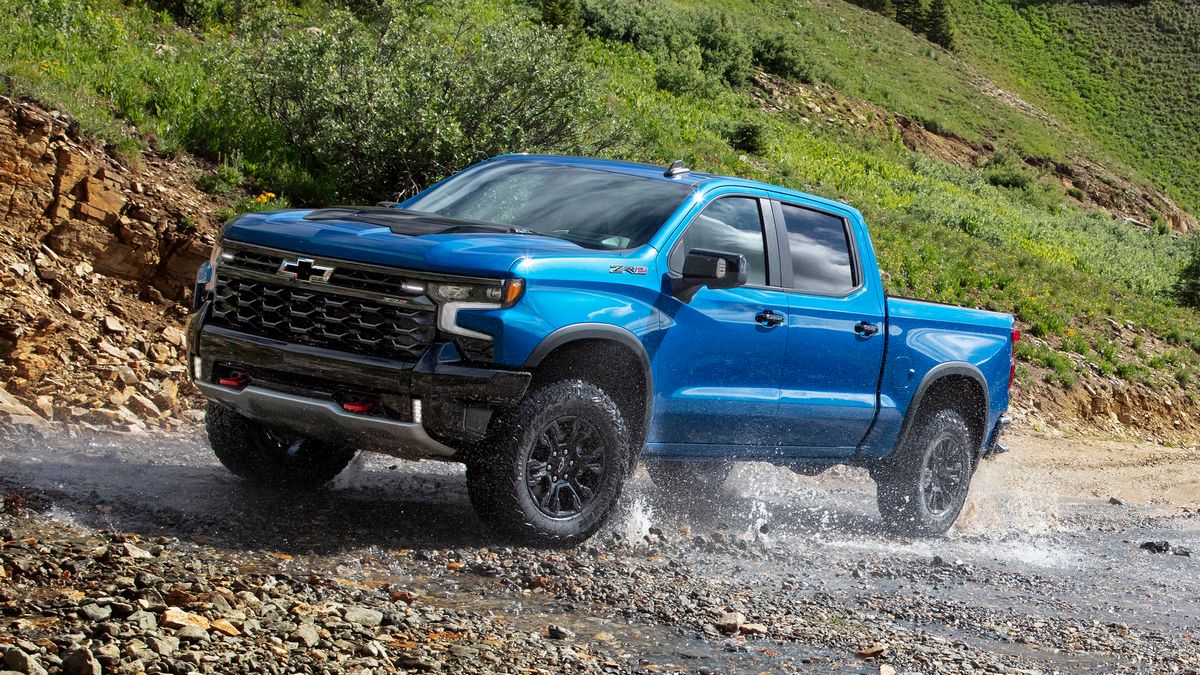
Considering a new 2026 Ford F-150 XL that’s listed below $40,000? Not so fast. Add the mandatory $2,795 destination fee. Think again if you expect rivals to be cheaper. The 2026 GMC Sierra and GMC Yukon full-size SUV also carry a $2,795 destination fee. So does the 2026 Chevy Silverado.
For Ford, that’s a $200 increase from last year, and an $1,100 increase from 2020. The $2,795 fee adds more than 7% to the cost of America’s bestselling vehicle series. GM’s increase is even greater. Since April 2025 until now, GM increased destination fees three times from $1,995 on the 2025 Chevy Silverado to $2,795 now. That’s an $800 spike, or 40% increase, in less than a year.
Every automaker has increased this once subtle fee to offset tariffs and inflation while keeping new car prices stubbornly high. The 2026 Ram 1500 carries a destination fee of $2,595. Alfa Romeo charges a $3,250 destination fee for the 2026 Stelvio and 2026 Tonale, both of which are small SUVs. Boutique luxury automakers have much higher destination fees.
The result is a record in destination fees that now have a significant impact on the new car price, which remains stubbornly high, peaking in December at $50,326.
The average destination fee increased to $1,551 in 2025, from $961 in 2015, according to data from Kelley Blue Book parent Cox Automotive.
| Year | Destination Fee | Percent Change, Year-Over-Year |
| 2015 | $961 | n/a |
| 2016 | $980 | 2% |
| 2017 | $1,007 | 2.8% |
| 2018 | $1,088 | 8% |
| 2019 | $1,135 | 4.3% |
| 2020 | $1,178 | 3.8% |
| 2021 | $1,236 | 4.9% |
| 2022 | $1,311 | 6.1% |
| 2023 | $1,384 | 5.6% |
| 2024 | $1,425 | 3% |
| 2025 | $1,551 | 8.8% |
Why Are Destination Fees So High?
Part of the trend over the past decade is that American shoppers continue to favor larger vehicles such as SUVs and trucks. Additionally, heavier electric vehicles (EVs) have made significant inroads into the market for the first time. Additional proportions and weight incur additional transportation costs. The average annual cost of a gallon of diesel fuel actually decreased from 2024 to 2025, according to the U.S. Energy Information Administration.
So what’s driving the 8.8% spike over one year?
“Tariffs. Full stop,” explained Erin Keating, Executive Analyst and Senior Director of Economic and Industry Insights at Cox Automotive. “That is a key place where [automakers] can create margin to help offset their burden without drawing attention to the MSRP (manufacturer’s suggested retail price).”
What Is a Destination Fee and Why Is It Hidden?
To be clear, the destination charge, also known as destination and delivery, or D&D, is a fee tacked onto the sticker price of a new car to cover shipping costs from the factory to the dealership. Historically, it was meant to cover only shipping costs, even though automakers average out the destination fee so that it’s the same whether you live 30 miles or 3,000 miles from the factory. Once upon a time, you could buy direct from the factory and not have to pay a destination fee. But that was decades ago.
By law, the destination fee must be included on the Monroney sticker you see in new car dealerships. Yet automakers don’t have to include it in marketing materials or in the headline price. While it may seem like a sneaky way to squeeze out additional profit, Keating sees it as something more culturally relevant.
“It isn’t necessarily to hide it from consumers, but rather for some in this politically charged situation, they didn’t want to draw the ire of the administration for raising prices,” Keating said.
As more automakers take big losses from stalled EV investments, and as tariff costs increase throughout the supply chain, automakers are using destination fees as a pricing lever more than ever before.
Ford sold more than 828,000 full-size pickups in 2025, so a $200 increase on the destination fee on one vehicle amounts to a $165.6 million increase to Ford. The $800 increase from GM, which sold more than 936,000 trucks between its Chevy Silverado and GMC Sierra lineups, is much greater. If sales maintain at or near that level, that would extrapolate out to $748.8 million in additional gross revenue.
“These charges, which reflect factory-to-dealer vehicle shipping costs, are reviewed and adjusted as necessary to keep consistent with the industry,” Said Deep, director of Ford North America Communications, explained to Kelley Blue Book. “We average the charge so no matter where a customer lives in America the destination and delivery is the same.”