

Cars are a fusion of mechanics, engineering, and creative design. As part of Kelley Blue Book’s 100th anniversary this year, we’ve been looking at all the ways cars have transformed over the century, from car fads that come and go to features that continue evolving to give them unique character, like steering wheels and even exhaust sounds. The evolution of car features is the domain of their manufacturers, but what about the ways we can transform our own cars?
One form of individual auto expression that has a unique history of pushing the boundaries of engineering, artistry, and statement-making is the art car. What exactly are art cars, and why do they matter in the grand scope of automotive?
Blurring the Boundaries Between Auto and Art
Art cars almost inherently resist definition, because they can take on so many different meanings and forms. Art cars are literal vehicles of expression, automobiles transformed in some way into more than just a means of transportation. They cross boundaries to become art.
We can look at art cars through several lenses. The first is message. Art cars are a way to say something. They make a statement, and it can be anything from profound social commentary to one of individualistic exhibition.
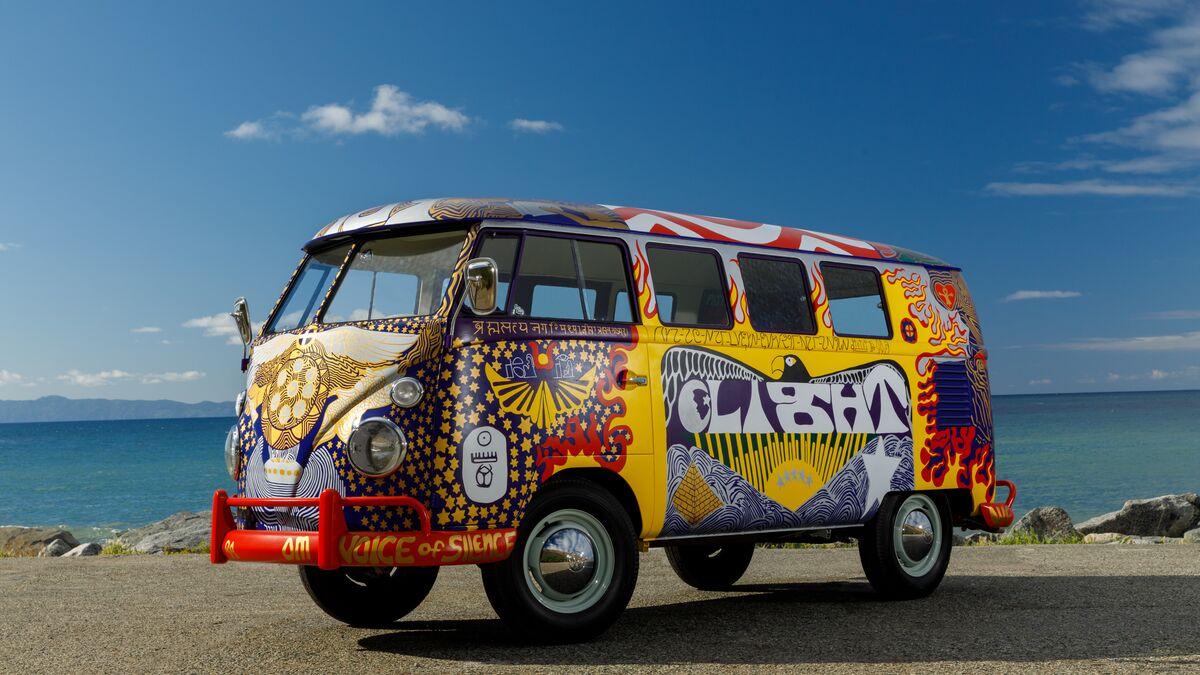
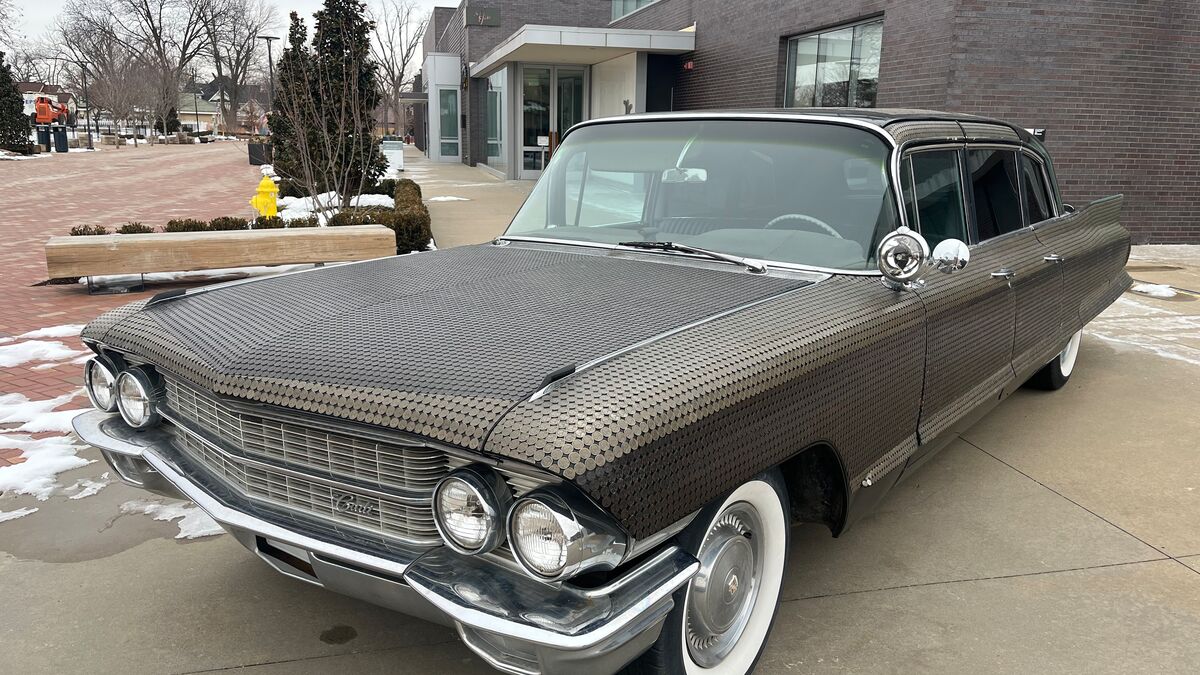
Another lens through which we can understand art cars is the media used to create them. Paint has always been a foundational element of art cars, but any material the artist can apply to the vehicle is fair game in the art car world. From carpeted exteriors to toy-covered bodies to art cars that have been engineered to resemble another object altogether, art cars are a way to bring stationary materials into motion.
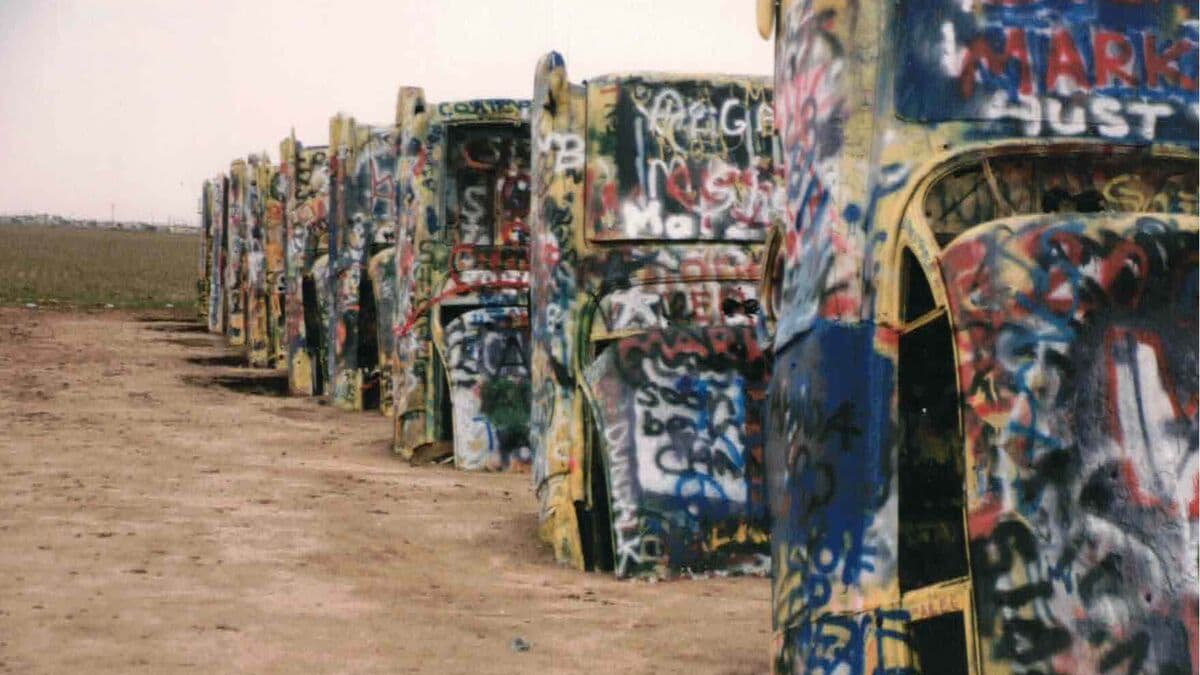
We can also think about how art cars move (or don’t move) through the world. Some art cars might make a statement simply in what they represent about motion. How do we understand an art car that has been shaped to look like an airplane? What about a mutant octopus? What about art cars that are no longer operable, and exist now as statues, like the ones at the International Car Forest of the Last Church in the deserts of Nevada or at Cadillac Ranch in Texas?
Art cars make us think. They make us feel. And they sometimes raise more questions than answers.
The Roots
While the 1960s were the decade that art cars truly found their footing as a movement, we can trace a few important ancestral threads before that.
In 1925, Parisian avant-garde artist Sonia Delaunay transformed a Citroën B12 with contrasting blocks of color for the 1925 Paris Motor Show exhibition, representing a new kind of modernity, and she dressed to match. She revisited automotive themes throughout her creative life.

And it wasn’t just the École de Paris (School of Paris) artists, like Delaunay, who found inspiration in automotive, but companies as well, for a more practical purpose: advertising.
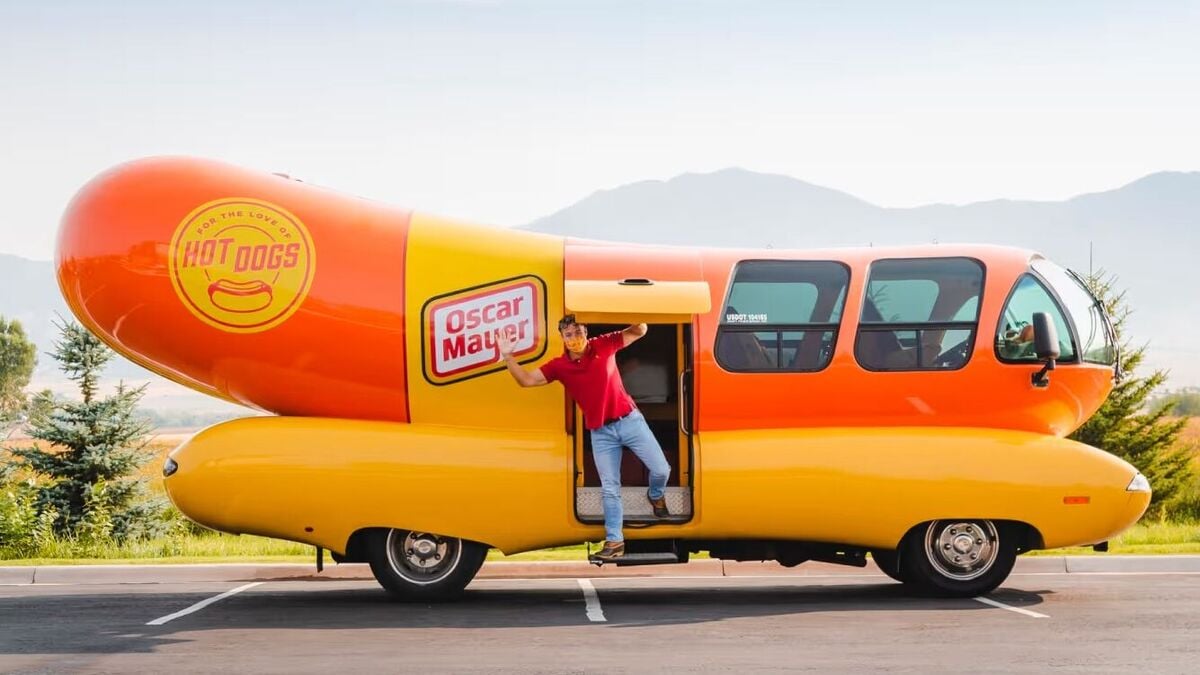
In 1936, Carl Mayer, nephew of Oscar Mayer, dreamed up a hot dog on wheels. He designed the Wienermobile to transport the company’s spokesman through the streets of Chicago to promote the company’s hot dogs. More on the Wienermobile later, but it’s a prime example of an art car that’s been capturing our attention for almost a century.
These examples demonstrate that even early models inspired artists to think of cars as more than just mere vehicles. It was the 1960s, however, that saw the true growth of art cars as a movement. A few subcultures propelled that growth.
The Chicano Art Movement of the 1960s and 1970s brought lowrider art to the fore, as artists began applying designs, custom paint jobs, and airbrushed graphics to cars. Portraits were central to the style, from the Virgen de Guadalupe to pinup models to family members. Symbols like roses, religious iconography, and stylized images of figures from history and popular culture were also distinctive features of these cars.

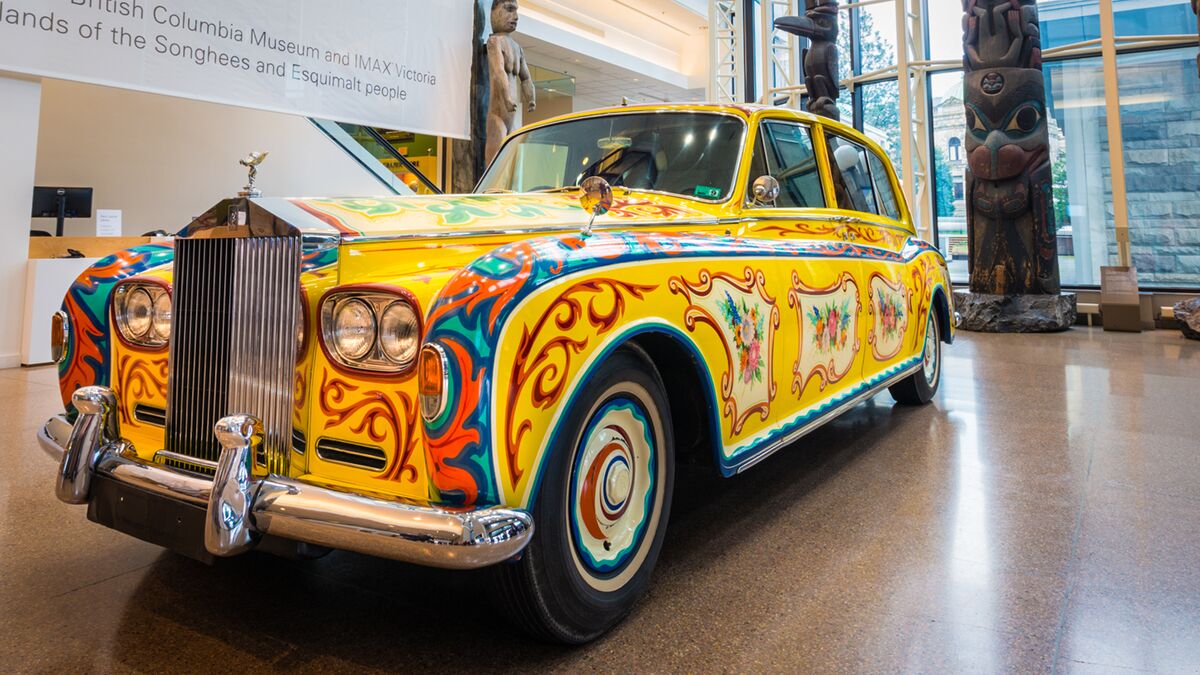
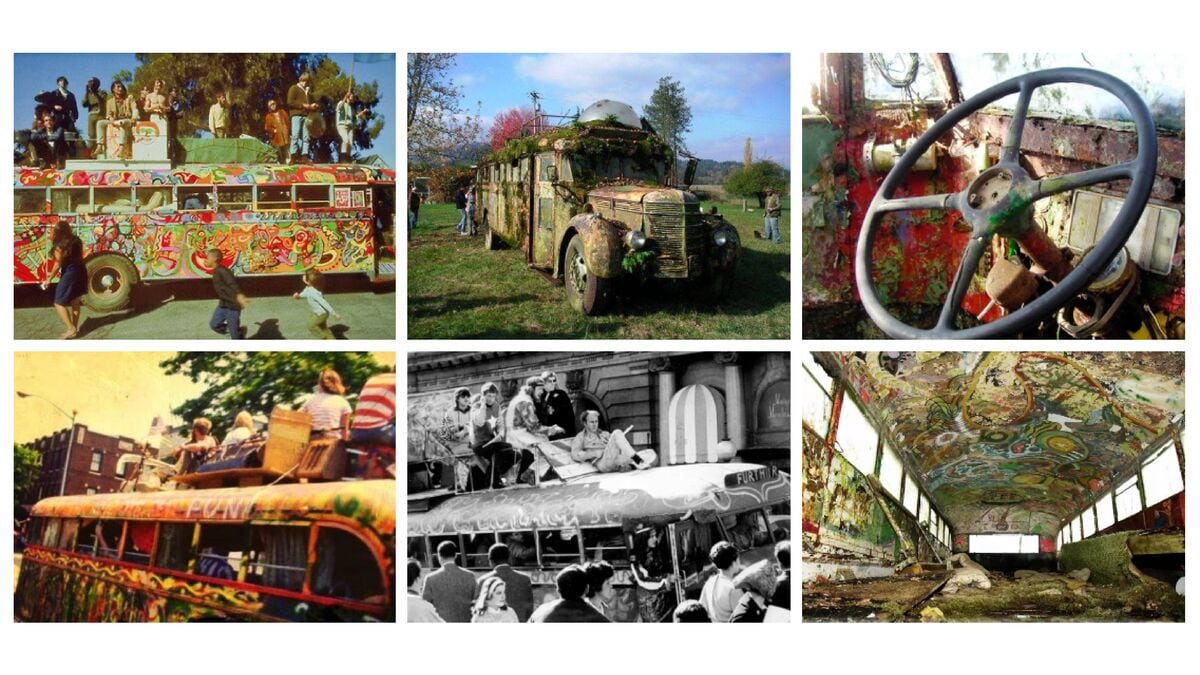
Simultaneously, hippie culture and other countercultures began to see cars as canvases for messaging and expression. Psychedelic patterns were a popular reflection, notably demonstrated in Janis Joplin’s Porsche 356 and John Lennon’s Rolls-Royce Phantom V limousine.
Pushing the boundaries in political (and often drug-fueled) directions were counterculture examples that enjoyed the large canvas provided by buses, like the “Furthur” bus purchased by author Ken Kesey and customized by his followers, the Merry Pranksters. VW buses were especially popular canvases for Woodstock peace signs and flowers. A striking example was the symbolism of the “Light” bus painted by Bob Hieronimus after his time with musicians like Jimi Hendrix, Janis Joplin, and The Doors.
The BMW Art Car Collection
In 1975, art enthusiast and racing driver Hervé Poulain, in collaboration with Jochen Neerpasch, then Head of Motorsport at BMW, wanted to pursue an art car. He asked his friend, artist Alexander Calder, to paint a BMW 3.0 CSL that Poulain himself would drive in the 24 Hours of Le Mans endurance race. The car caught the public’s attention and led to the BMW Art Car Collection.
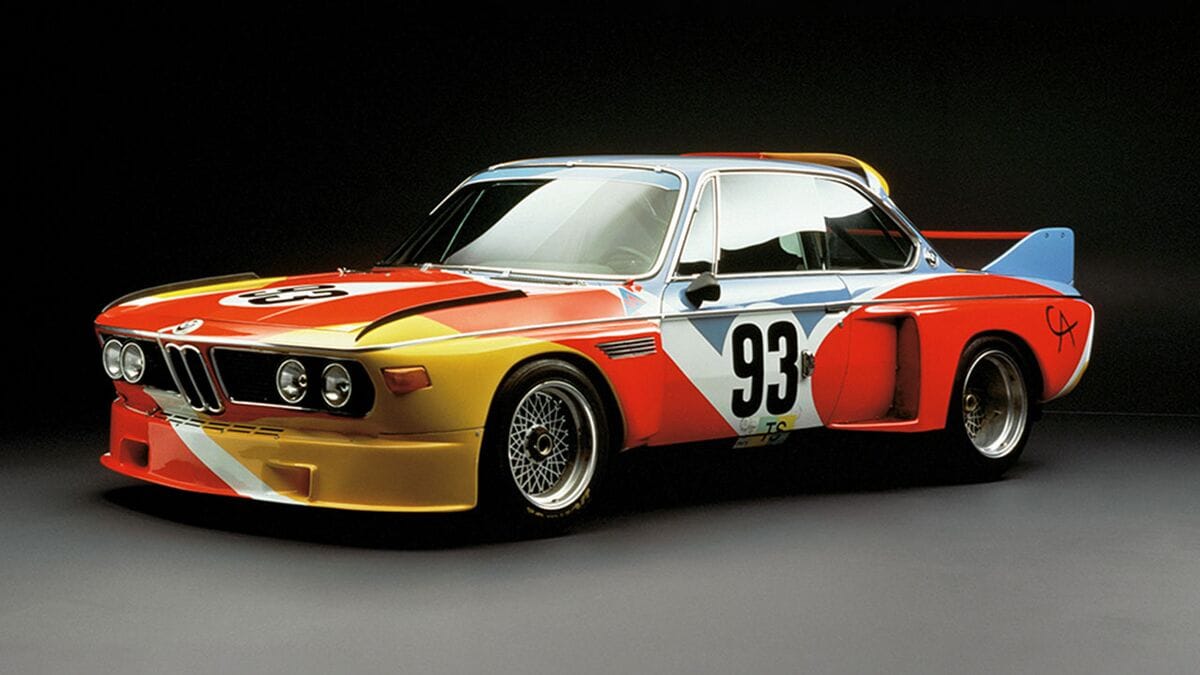
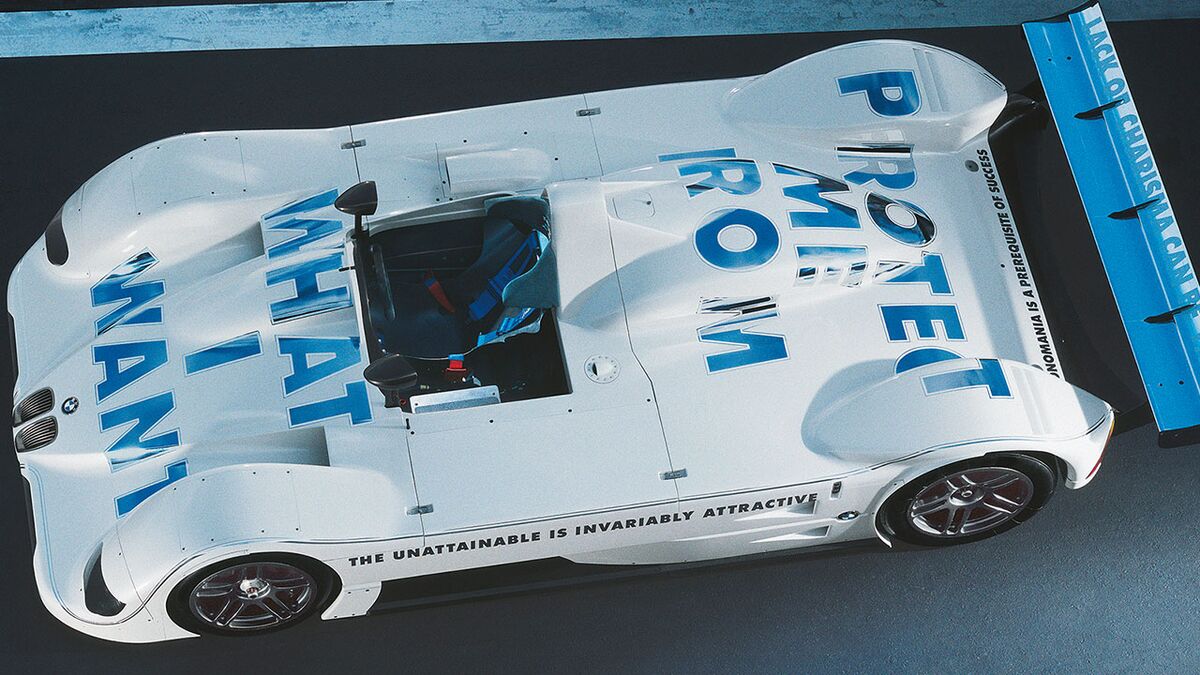
Over the subsequent decades, BMW has partnered with 20 prominent artists, including art world luminaries Andy Warhol, David Hockney, Jenny Holzer, Jeff Koons, and Roy Lichtenstein, to create art cars. The race cars have competed at Daytona in 2016, Macau in 2017, and at the 24 Hours of Le Mans in 2010 and 2024.
BMW’s collection has helped bring art cars mainstream attention with its combination of brand power and partnership with preeminent artists.
Art Cars Meet Advertising
While the BMW art cars and many of their counterculture predecessors typically used paint as their primary medium, art cars have continued to push boundaries in both messaging and materials.
Art cars today use just about any material you can think of as a conduit for their artists’ ideas. You can find art cars covered in toys, carpet, wood, metals, and more. You can also find art cars engineered to resemble everything but cars. You might see a dragon, an airplane, or Yoda, but underneath it all lies a vehicle you can drive on a regular road.
As these engineering boundaries have been pushed, brands and companies have caught on. Even before art cars really gained traction as a movement in the 1960s, companies like Oscar Mayer saw the potential of reengineering vehicles for advertising. The Wienermobile debuted in 1936, and the popular fleet of rolling hot dogs grew to seven by the time the Wienermobile program was discontinued in 1977. The vehicles had taken on a lot of wear and tear over the decades, and the company wanted to focus more on television advertising.
In 1986, the company brought out the Wienermobile for its 50th anniversary, and the crowds and enthusiasm that it drew were so overwhelming that the company decided to tour a new fleet in 1988. There are currently six active Wienermobiles that travel the country, and they remain popular.
Smaller companies and businesses have also found art cars to be an advertising boon. In Las Vegas, locals and visitors alike know and delight in the “shoe cars” that belong to Quality Shoe Repair & Luggage. The cars, shaped into boots and slingback pumps, emphasize that a little whimsy can go a long way when your advertising is on the move.
Pushing Art Car Boundaries in Festival Culture
Another space where art cars thrive is in festival culture. Music festivals and events like Burning Man have proven to be rich spaces for art cars to push the extremes of materials and engineering. Burning Man’s Mutant Vehicles are among the most technical and norm-defying art cars that operate as their owners tote them to the desert each year, where they roam the playa during the week.
The “Mutant Vehicle” moniker is more than just a nickname — it’s an actual classification with the festival’s Department of Mutant Vehicles (not to be confused with the standard DMV that we all know and love). The classification was specifically created for use in Burning Man’s Black Rock City. Because of the delicate ecology of the playa sands, Burning Man limits driving during the event, with exceptions for emergency vehicles and mutant ones. It needed a way to define the level of “mutation” that is required for one of these creations. To be classified as a Mutant Vehicle, the art car must be either built from scratch or more significantly modified from its original form than other types of art cars.
Requirements and regulations for Mutant Vehicles are strict, but Burning Man devotees jump through all the necessary hoops to get their creations to the event, and the results are seriously impressive. Mutant Vehicles truly push the limits of what art cars can be, and each year brings new innovations.
Art Cars Are Barely Getting Started
While the extremes of the Mutant Vehicles of Burning Man might not make it onto our everyday streets, there’s no doubt that art cars have become a part of our cultural consciousness, whether we’re encountering them in local parades, art installations, or as moving advertisements.
There also remains the question of the defining lines of an art car. Are concept cars art cars? What makes an advertisement an art car and not just an ad? How much paint does it take to move from merely “art on a car” into an “art car?”
What it comes down to might have something to do with the power of art in general: it makes you feel something. Great art can move us, delight us, make us cry, or laugh, or want to go make art of our own. If you encounter one of these cars and it sparks a feeling in you that wasn’t there before, chances are pretty good that you can call it an art car.
And, as with all great art, the road ahead for future art cars remains wide open, ready for new adventure and exploration.