
This year marks Kelley Blue Book’s 100th anniversary, making it a great time to examine how today’s automakers lean into heritage design and styling elements in new vehicles. While some of those retro elements are easy to spot, many automakers take a much more subtle approach. Here’s a look at how vintage designs make their way into modern autos.
Different Approaches to the Same Goal
Retro automotive design reveals itself in three main ways: Vehicles intentionally styled to look like classics, those with a retro look because they haven’t evolved much since their early days, and models with individual retro styling elements that pay homage to classic models. We’ll explore all three approaches, so let’s get started.
Thoughts From an Automotive Design Professional
Before diving in, let’s get an industry professional’s view of retro styling and car design. Kelley Blue Book spoke with Chris Chapman, adjunct professor of transportation design at the ArtCenter College of Design in Pasadena, California, one of the foremost industrial design schools in the country. Chapman suggested that some automakers use styling to communicate a vehicle’s functionality. More recently, that has meant forward-looking designs with futuristic exterior shapes and screen-dominated interiors.
Intentional Retro Design
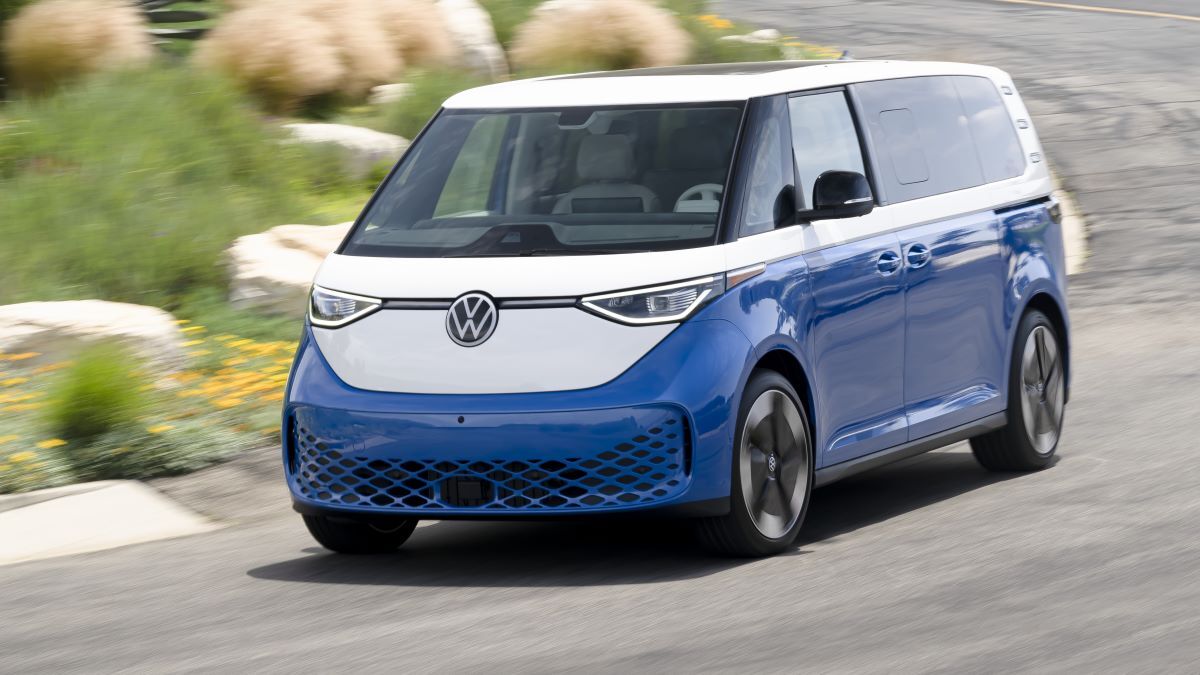
These vehicles may or may not be connected to historic models from the automaker’s back catalog. Those without a direct link to the classics might seem less important or impactful, but incorporating retro design elements has produced some of the most memorable vehicles of the last few decades. This trend, also known as “retrofuturism,” combines classic elements with modern design cues to create a recognizable vehicle with a contemporary touch.
The early 2000s were a wild time for car design in the United States. In 2006, Chevrolet released the HHR (Heritage High Roof). While it was inspired by vehicles from Chevy’s 1940s and 1950s lineup, the HHR was not a continuation of a particular model, though it was most closely inspired by the Suburban from the late 1940s.
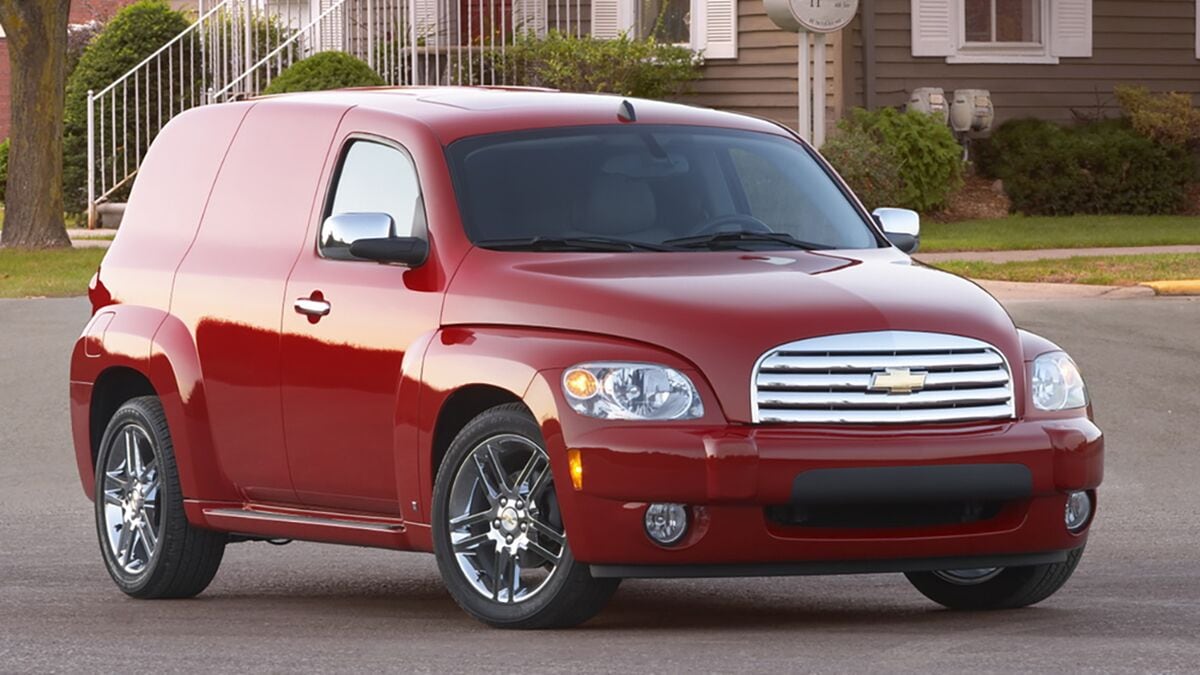
Chevrolet HHR — Image courtesy of General Motors
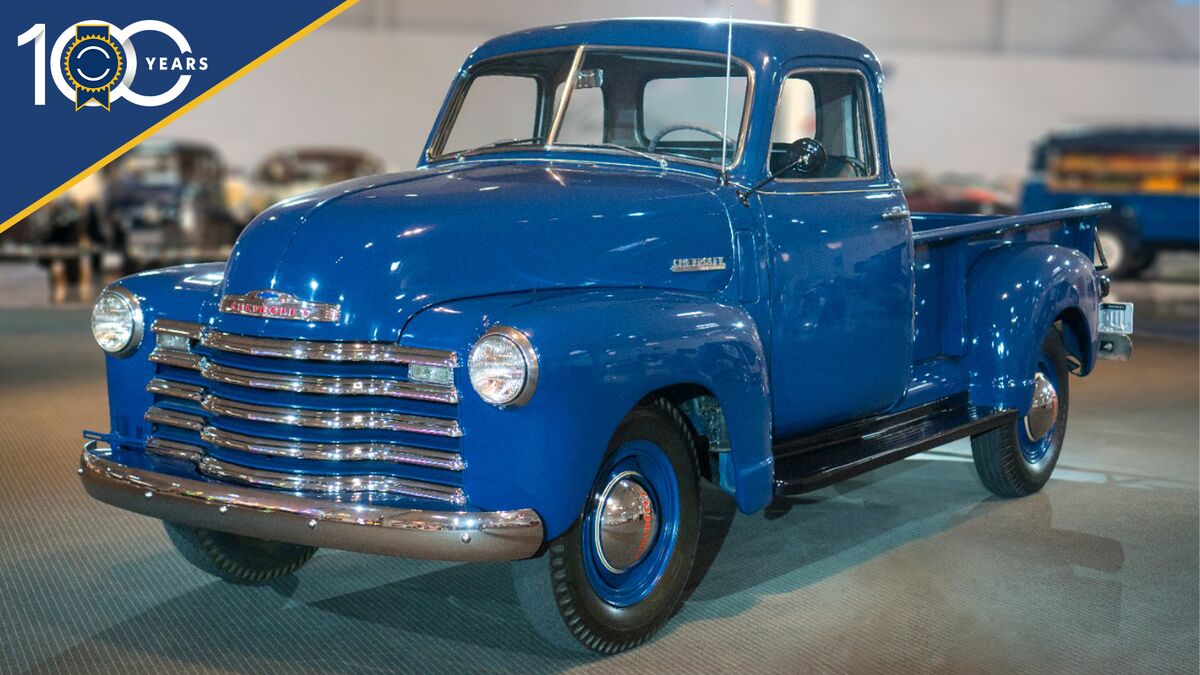
Similarly, the Chevy SSR borrowed styling elements from the 1950s Advance Design pickup trucks but was a standalone model in the automaker’s lineup. Neither model sold particularly well, but both have cult followings almost two decades after their discontinuation.
The Plymouth Prowler was another notable example of retrofuturist design, and it was one of the wildest designs to leave the production lines of a major automaker. Rather than taking inspiration from one classic model, its design was a love letter to 1930s-era hot rods, with open front wheels and an exaggerated roadster body shape. While the car’s run ended in 2002 and did not spawn a follow-up model, it made an impact.
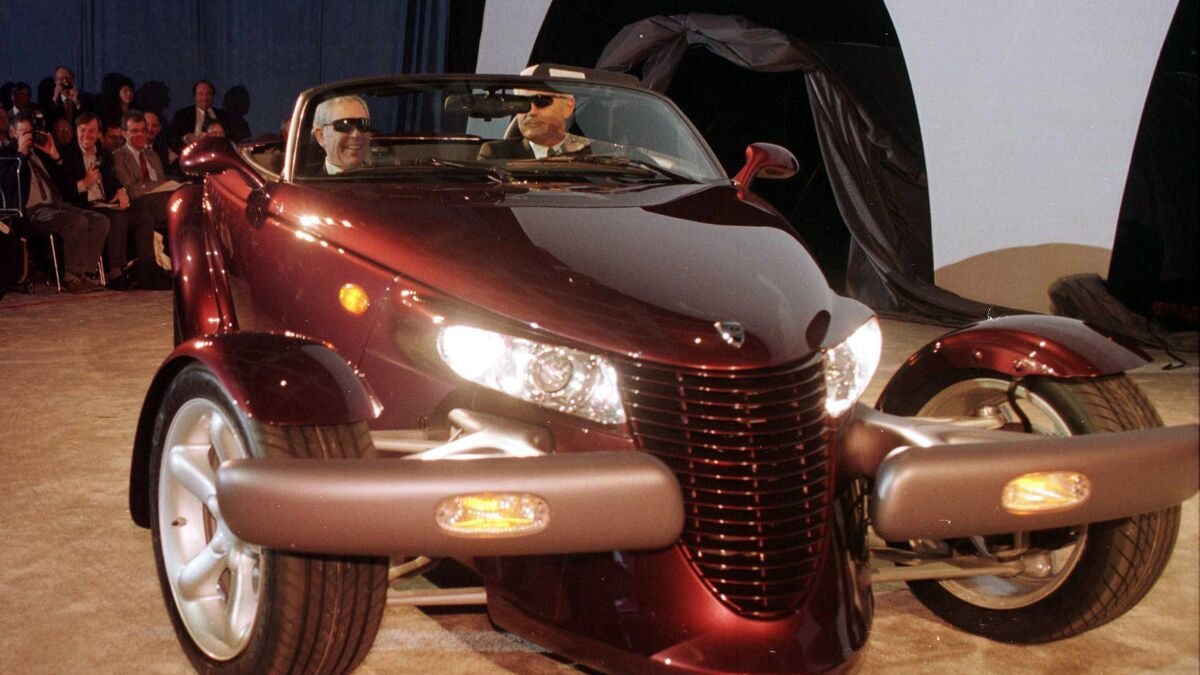
Plymouth Prowler — Image courtesy of Stellantis North America
The company revealed the Plymouth Howler concept car in 1999, and in 2007, the automaker held a 10th-anniversary event for the car at its Auburn Hills, Michigan, museum. Plymouth sealed a Prowler in a time capsule in Tulsa, Oklahoma, in 1998. The time capsule won’t be raised until 2048, by which point cars could be on a completely different design path. Sealed in an argon-filled underground chamber, the car will be raised during the city’s 150th anniversary.
MORE: Quintessential Cars of Each Decade 1920s to Present
Retro by Default
Many vehicles sport retro styling simply because they haven’t changed much over the years. This category of cars holds some of the most well-known nameplates in automotive history, though there’s room for debate over whether some have maintained their styling lineage over the decades.
The Jeep Wrangler is one of the most obvious examples of this trend. While the Wrangler name has only been around since the late 1980s, the off-roader’s design hasn’t changed much since the early 1940s. Before the Wrangler name, the Willys Jeep was born as a military vehicle, becoming one of the most recognizable vehicles of World War II. Today’s Jeep Wrangler models have more technology and outlandish styling options compared to the drab-green Willys Jeep, but there’s no denying that the SUV’s round headlights, upright grille slats, and boxy shape are direct carryovers from its earliest predecessors.
Some vehicles in this category returned to their roots in recent generations, but didn’t always stick to the original design language. The Ford Mustang and Chevrolet Camaro are great examples of this, as the Mustang II, Fox Body Mustang, and SN95 Mustang altered the original formula pretty radically. The last three generations, starting in 2005, moved closer to the original formula with some obvious modern updates. The Chevy Camaro followed a similar path, with the second-, third-, and fourth-generation cars moving away from the original look. It returned to form in 2010, taking a beefier approach to the first model’s styling.
The Volkswagen Beetle is another highly recognizable example. While it is no longer in production, the car returned as the New Beetle after a 19-year hiatus. The updated model carried many of the original car’s styling cues into the late 1990s, and it remains a popular model among VW enthusiasts. The original VW Beetle is one of the best-selling cars in history, with more than 20 million units built. Its iconic styling left a mark on the automotive industry, and many enthusiasts prefer the classic model over the New Beetle’s throwback styling.
MORE: The Pickup Truck’s Evolution: Addition by Subtraction
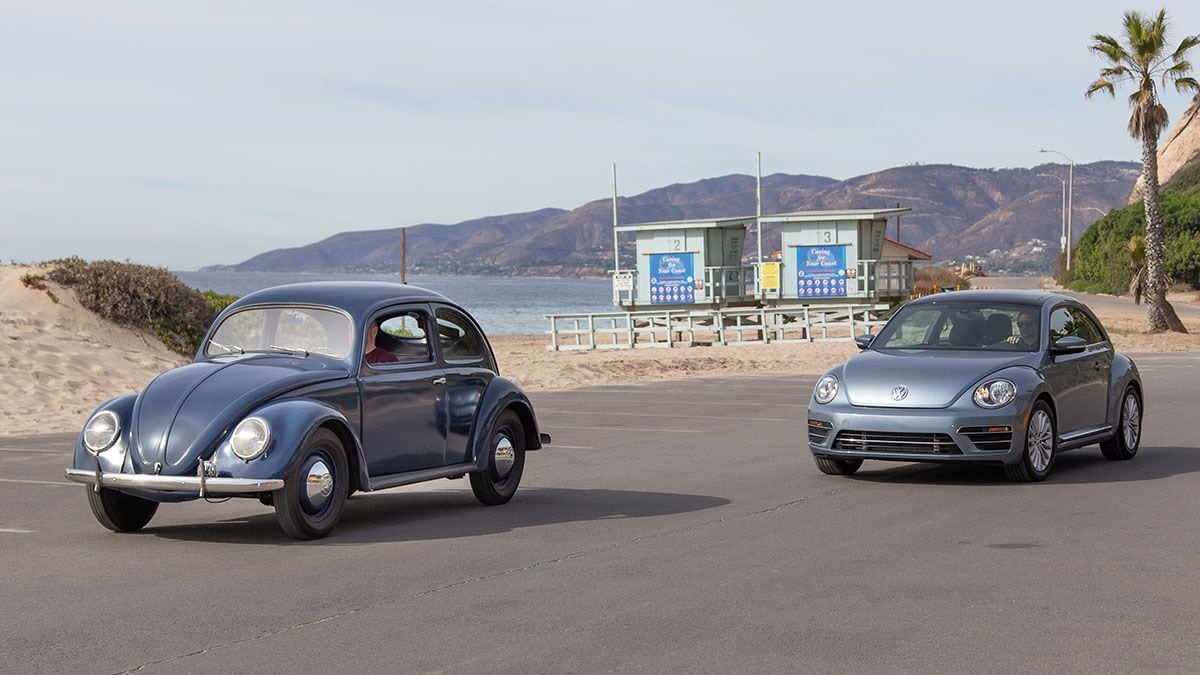
Classic Volkswagen Beetle and New Beetle — Image courtesy of Volkswagen
Retro Styling Elements
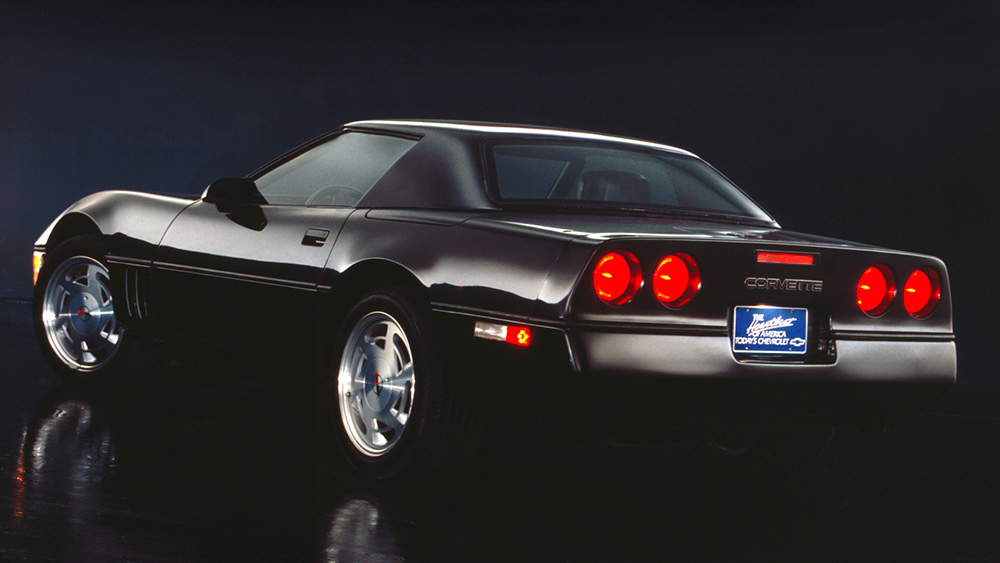
Automakers sometimes take a subtler approach to incorporating retro styling, designing individual elements to give them an old-school look. The eighth-generation Chevrolet Corvette’s square taillights are a great example, as was BMW’s kidney grille design before the automaker changed it completely. Mercedes-Benz still incorporates carriage lines into some of its models, a reference to the early days of the automobile when they were essentially motorized horseless buggies.
Six Decades of Corvette Taillights
From round lenses to a full-width light bar