

As we celebrate Kelley Blue Book’s 100th anniversary, we’re looking at other automotive and cultural trends that have shared this century of innovation. In this article, my focus is on the pickup truck.
The First Pickup Trucks
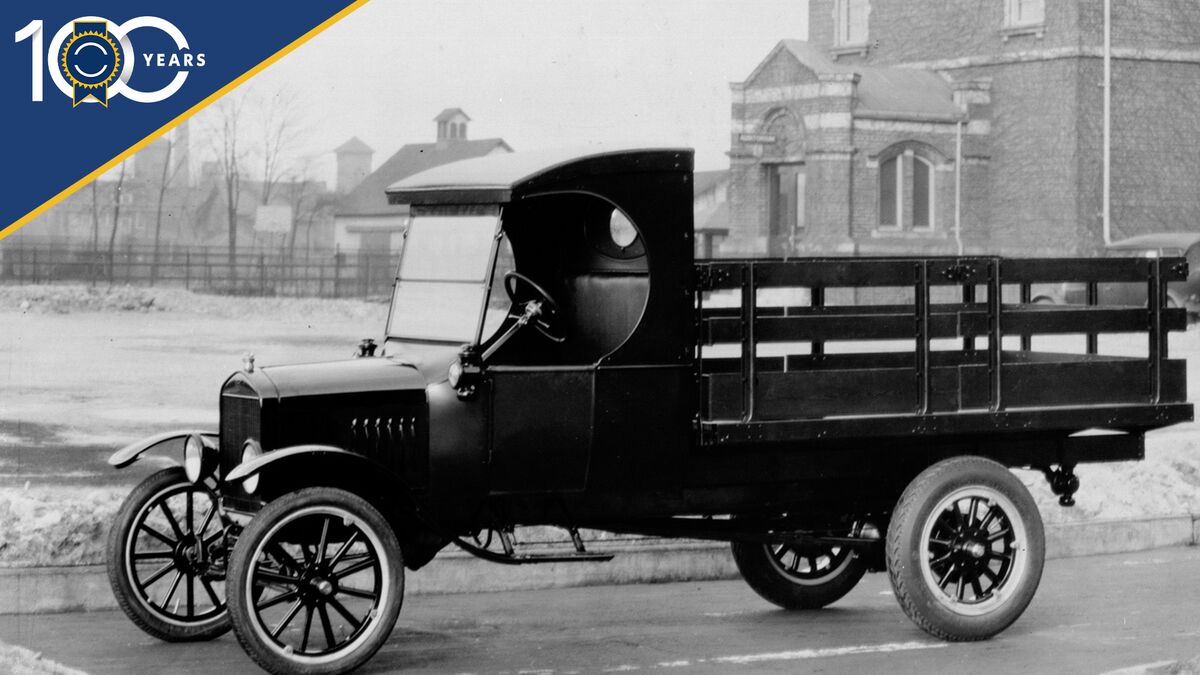
Like so many milestones, the official start of factory pickup truck production began with Henry Ford. According to Ted Ryan, the Archives and Heritage Brand Manager for Ford Motor Company, “The very first factory pickup in the Ford system was 1917 with the Model TT.” By 1925, your local Ford dealer could get a “Model T Runabout with Pickup Body” hot off the line at the Highland Park Plant in Michigan. Not only did Henry Ford innovate the production of pickup trucks, but his company also coined the term “pickup” for a model with a cargo bed mounted behind the cab. Just a year later, in 1926, Les Kelley launched his bible of automotive values, so the pickup truck and Kelley Blue Book grew up together. Ford sold over 750,000 examples of the Model TT pickup through 1927, “when Ford came up with the next best thing, which was the Model A,” according to Ryan.
America wove the pickup truck into the fabric of its work life. Owners used pickups to haul goods, and innovators added accessories to specialize their capabilities. Painters and glaziers added racks to the beds, and carpenters created bed extenders for carrying longer lumber. Clever owners created truck caps and bed covers to protect cargo from the weather, prying eyes, and potential theft. Farmers used auxiliary power take-offs to convert their trucks into stationary power stations for sawmills, grain milling, and other essential services. You could even find owners using pickup trucks as tractors in the fields, as rail cars, and as snowmobiles, after a bit of crafty modification.
Ford wasn’t the only pickup maker in the U.S. in the first half of the 20th century. Chevrolet, GMC, and Dodge made consumer pickups, along with Studebaker, International, and other brands. Commercial versions focused on more robust frames and hauling capacities.
The End of War Brings Trucks to the Mainstream
After World War II, a new wave of consumerism brought newly refined pickup trucks that paid more attention to aesthetics and comfort. Ford’s Ted Ryan recognized the pickup’s importance. “I think it’s very fascinating that the very first vehicle designed from scratch and produced after World War II was a pickup truck,” he said. “It was Ford’s way to get back into producing pickup trucks for people to work.” That truck was the 1948 F-1, the first in the long line of F-Series trucks Ford produces to this day.
Domestic Trucks Get an Unexpected Boost
From 1945 into the early 1970s, Americans bought domestic vehicles by a wide margin. The domestic pickup truck market got a big boost in 1964, just when Japanese manufacturers Datsun (later Nissan) and Toyota began to gain a toehold with light-duty truck exports. President Lyndon B. Johnson instituted a 25% tariff on imported light-duty pickup trucks in retaliation for a tax foreign governments had imposed on exports of U.S. chicken parts. This pickup truck tariff became known as “The Chicken Tax,” and it’s still in effect today. It has had some odd aftereffects, as Erin Keating, executive analyst for Kelley Blue Book parent company Cox Automotive, explains in this video.
By the time Toyota and Nissan got around to building U.S. factories for their pickup trucks to avoid the Chicken Tax, Ford, Chevy, GMC, and Dodge had consolidated their stranglehold on the full-size pickup market. The Japanese makers saw a market gap and filled it with compact and midsize trucks. These smaller trucks were more affordable and fuel-efficient than their domestic competitors. They attracted an audience that was less concerned with getting a work truck and more interested in a fun truck that could do work when needed. The seeds for the lifestyle truck had been planted and fertilized by the gas crisis and the Chicken Tax.
Big Trucks Incorporate Big Features
Flash forward to the late 20th century and into the 21st, and pickup trucks have evolved. They’ve become fashion accessories as much as any other vehicle. Crew cabs with room for five or more passengers are the norm, with amenities matching luxury sedans inside and beds that are barely long enough to transport a fancy mountain bike, never mind a 4×8 sheet of plywood.
I spoke with Aaron Breskey, the Vehicle Engineering Manager and Chief Technical Officer on Super Duty for Ford Model Programs. He has worked for Ford for 31 years. Breskey was on the team when Ford launched the Super Duty in 1999. He still owns his original Super Duty, a 7.3-liter diesel with a manual 6-speed transmission. It was one of the first launch trucks.
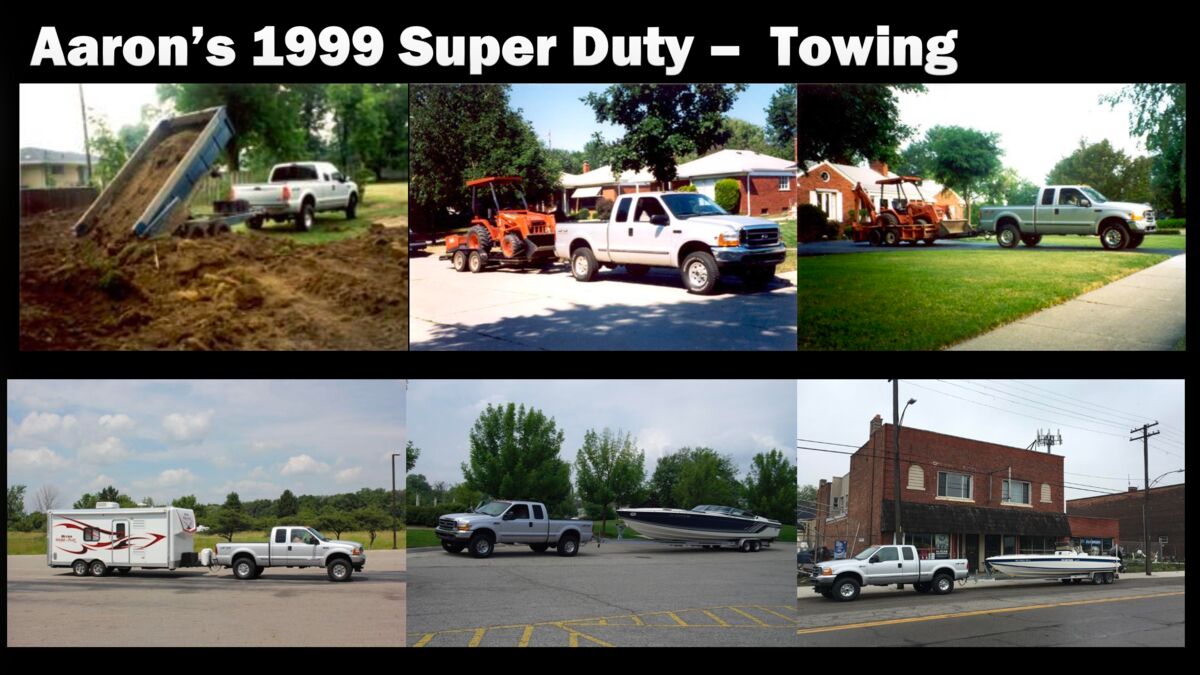
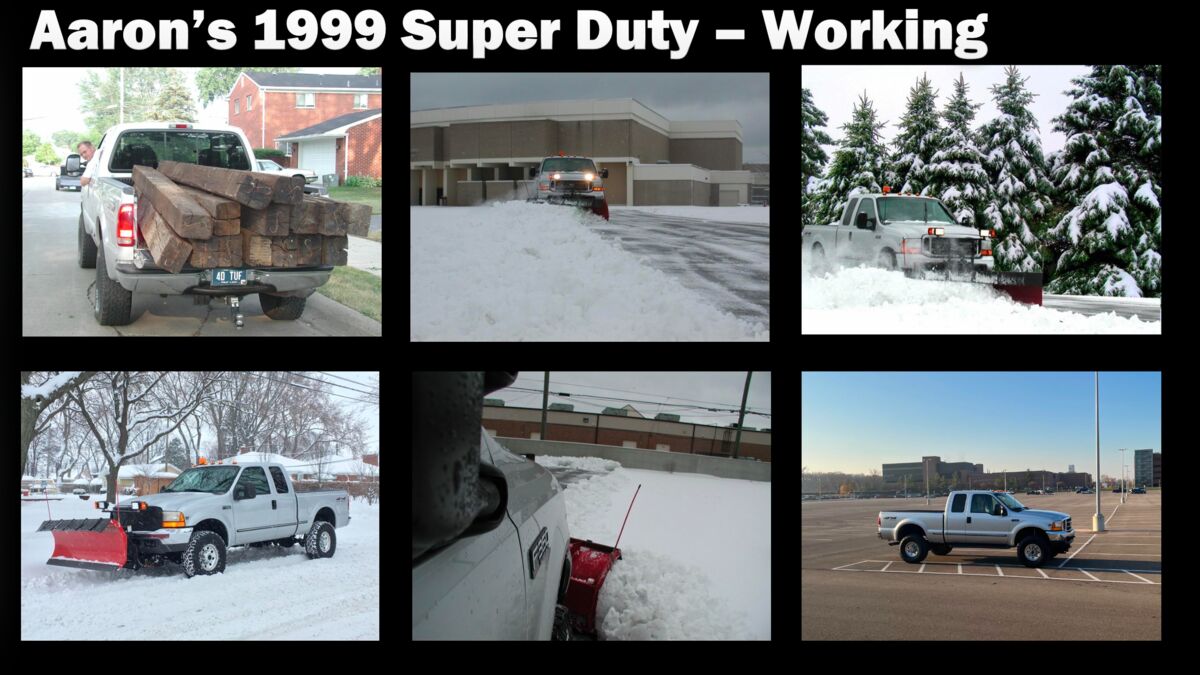
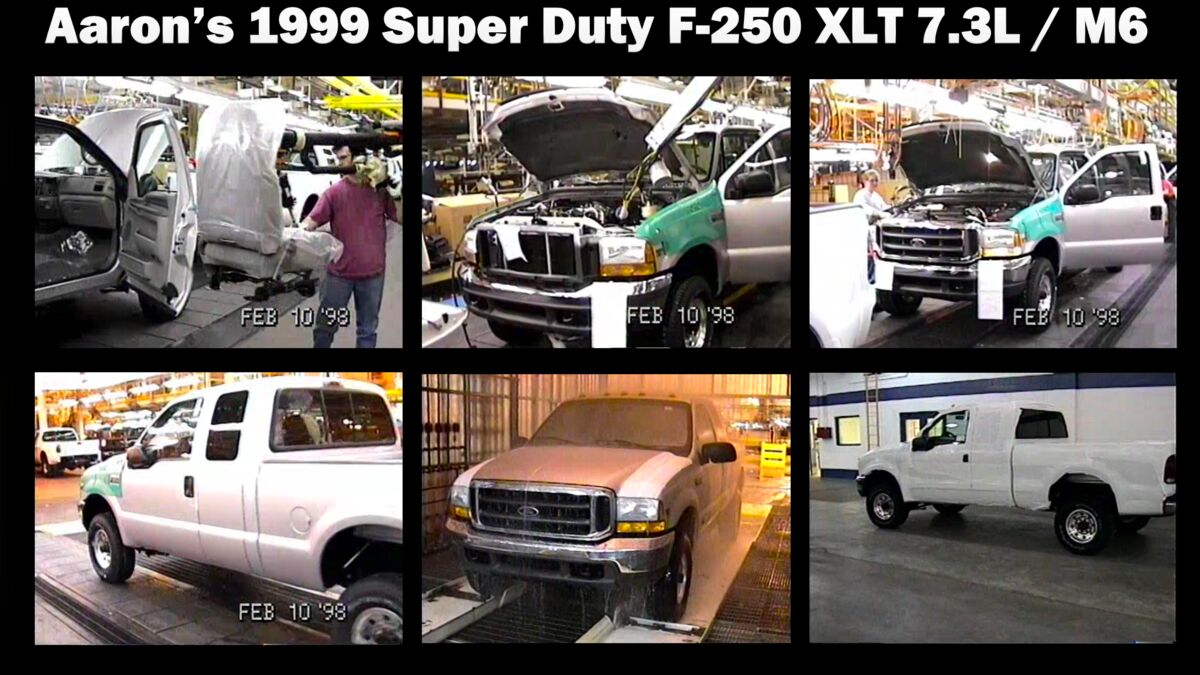
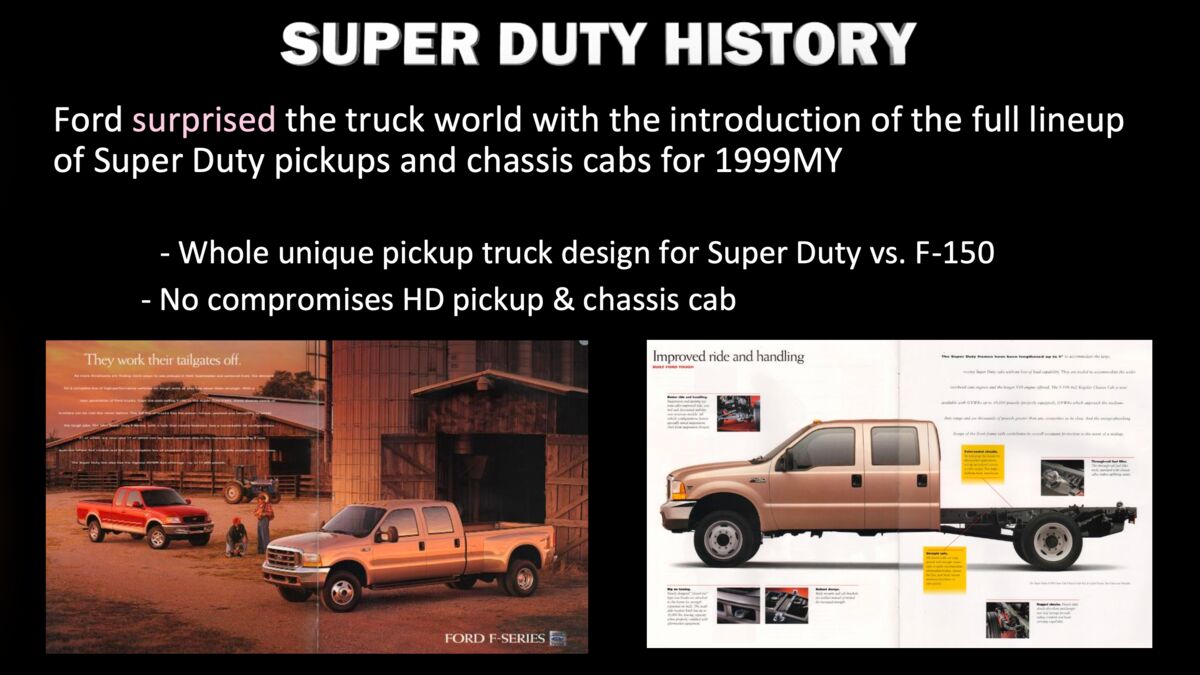
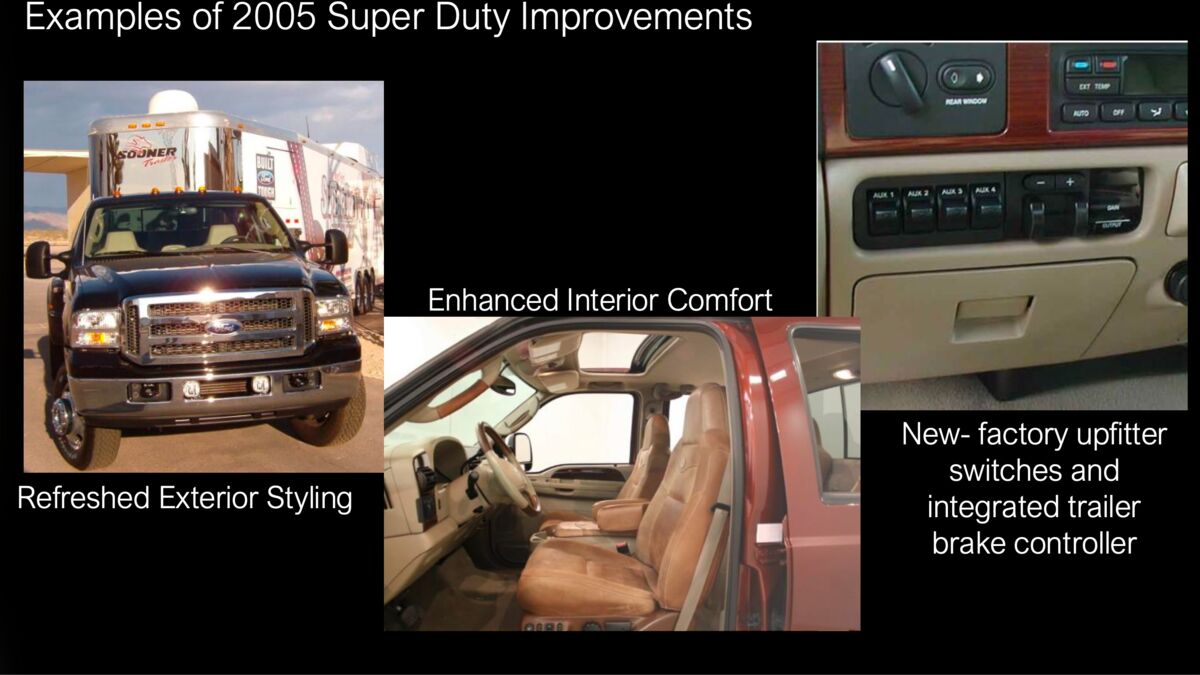
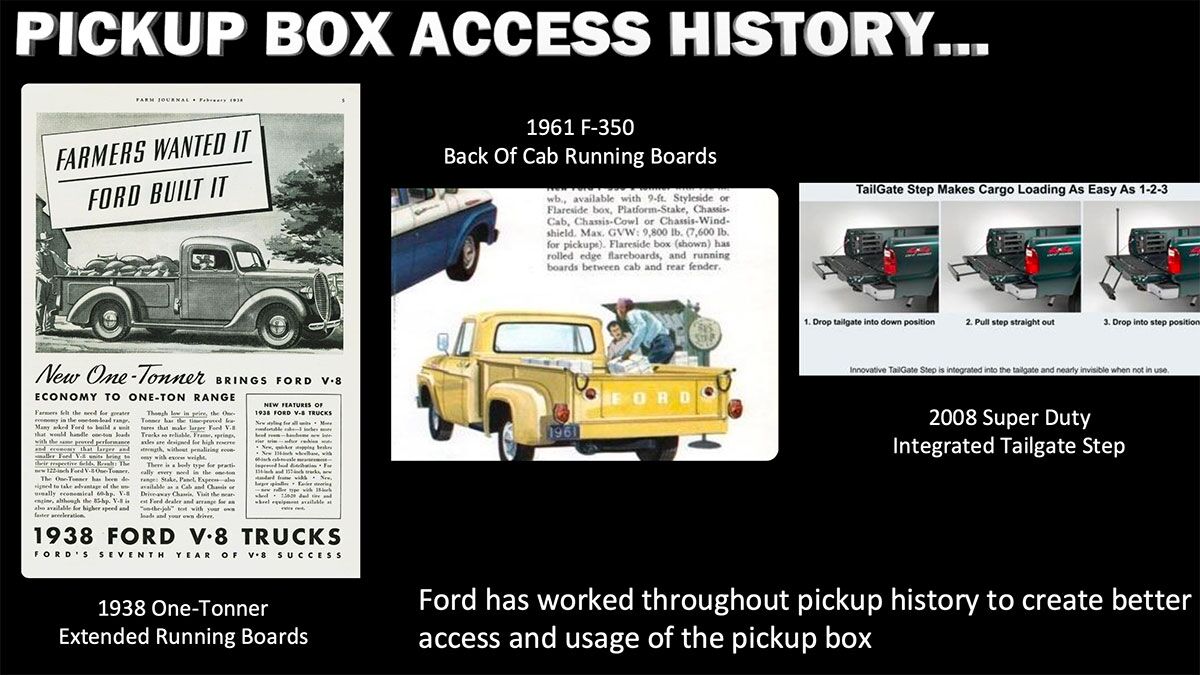
Breskey said the Super Duty, while conceived as a heavy-duty truck for work, now also crosses over to the leisure and daily driver side of the marketplace. “Many of the customer base that we have, some of their other vehicles that are in their garage might be a Lincoln or a Mercedes or some other high-end product,” he said. “And the other thing that we end up seeing is very expensive cargo and trailers that they’re towing, whether it be a camper or whether it’s an offshore powerboat or horses, right? The expectation is for luxury and also technology, as long as the technology is useful to help reduce the workload and make the task easier for our customer base. They want the technology when it helps.”
Truck Guys Miss Work Trucks
Fred Haefele has owned 12 pickup trucks over his lifetime. Haefele, the author of one of my favorite memoirs, 1998’s “Rebuilding the Indian,” published his second memoir, “The Essential Book of Pickup Trucks,” in 2025 with the University of Nebraska Press. It tells the story of his life through the lens of his pickup truck ownership. Haefele has a great affection for pickup trucks, which enabled him to work as an arborist while pursuing his academic and literary ambitions.
I have often lamented the state of the modern pickup truck, and Haefele shares my disappointment with its evolution.
In this conversation, Haefele and I discuss his book, his life, his pickup trucks – and the state of the American pickup today.
Where Do Trucks Go From Here?
The pickup truck’s evolution has been remarkably linear, from a pure work truck to a multipurpose tool to a lifestyle accessory. What will the next evolutionary stage bring?
Ford’s Aaron Breskey has an idea. “Twenty-five years from now, I would not be surprised if Super Duties are flying,” he told me. “I don’t even know what it’ll look like or what it’ll be, but just like the Super Duty of today versus 25 years ago, it is so different.”