
To say that becoming a parent is a big change would be the understatement of the century. Nearly every part of your life in parenthood shifts in some way, including what you need from your car. For the first several years of their lives, children require car seats to ride safely, which for many people means buying a new vehicle to accommodate the extra space car seats require. If you’re a new parent or a seasoned kid-hauler with questions about car seats, this hub page is for you.


Car Seat Progression
Move to the next stage only when your child meets the age and size threshold.

Rear-Facing Car Seat Under age 2 and under 30 lbs.
Forward-Facing Car Seat Ages 2-3 and up to 40 lbs.
Booster Seat Ages 4-7 and under 4’9″ tall.
Seat Belt Ages 8+ Over 4’9″ tall.
Before You Hit the Road
Taking a few moments to ensure proper fit and installation can make your children safer and more comfortable.
- Make sure you have the right seat for your child: All car seats have labels that list their size and weight limits. Take the time to make sure your child fits within those limits. It’s also important to note your car seat’s expiration date (yes, it’s a real thing), as the plastics and other safety components can degrade over time.
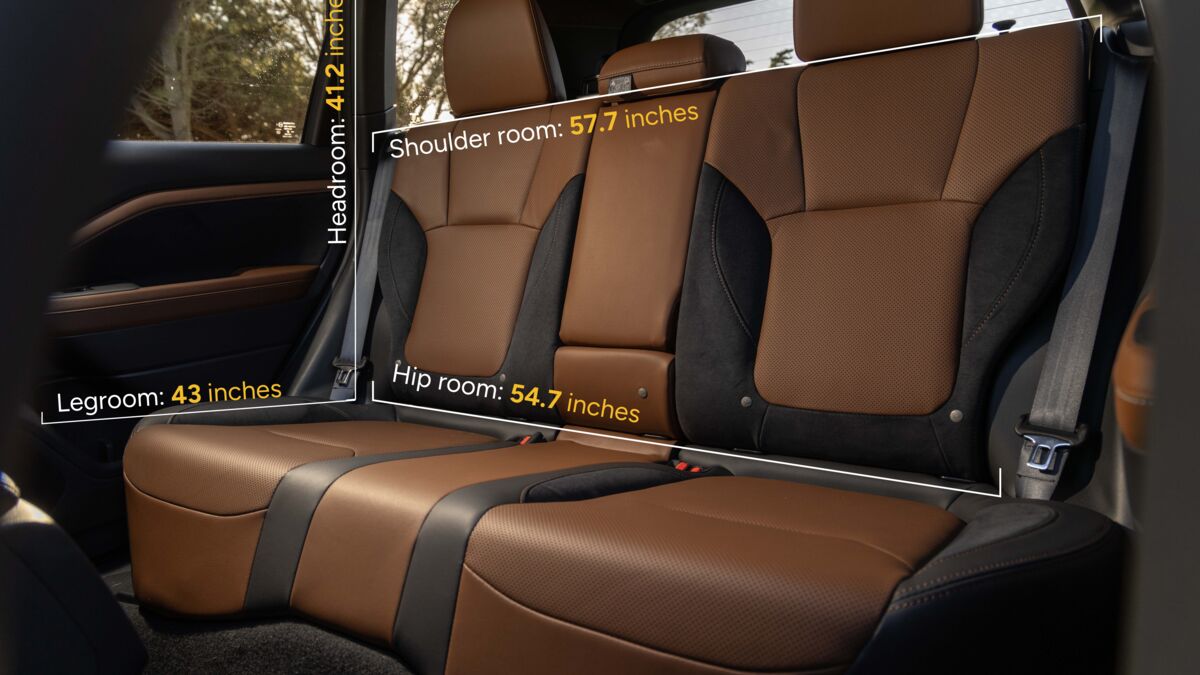
- Kids ride in the back: The safest place for young children is the back seat. Make sure you have enough room for any front-seat passengers to adjust their position comfortably without contacting the car seat.
- Rear-facing seats for the youngest children: Children ages 2 and younger should ride in a rear-facing seat. Some car seat directions advise keeping children rear-facing for longer, and it’s important not to turn the seat until your child has exceeded the manufacturer’s guidelines.
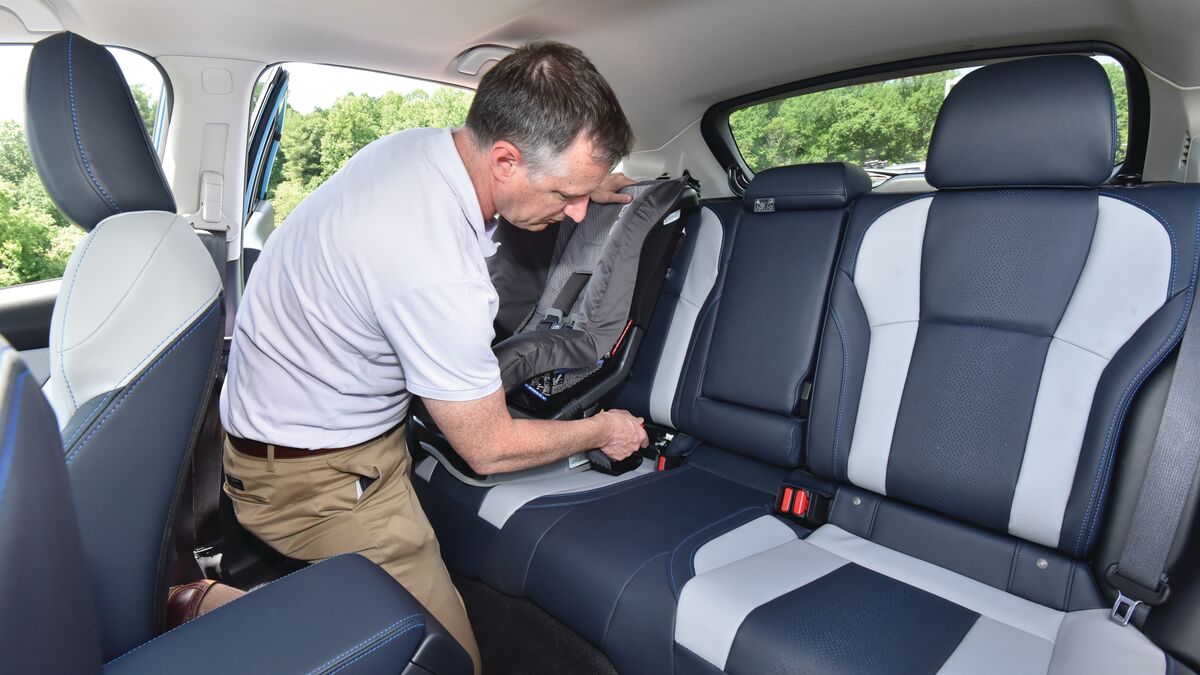
- Ensure a secure fit: It can be difficult to get a secure fit in some vehicles due to seat cushions, LATCH anchors, and other factors. Most car seats require pressing down while tightening the anchor straps, which can be difficult for some people to do alone. If you’re unsure how to install your car seat or feel that you can’t achieve a secure fit on your own, don’t hesitate to ask for help. Your local fire department can be a great resource and may be able to assist with installation.
- Check the straps: Once everything is installed securely and in the right position, check the straps with your child in the seat. You should not be able to pinch any extra strap material between your fingers once your child is buckled in. It’s also a good idea to make sure the straps aren’t tangled with hair, clothing, or other items to prevent pinching or discomfort during the ride.