Sell My Car
  • Sell My Car
  • My Car's Value
  • Instant Cash Offer
Shop & Buy
  • New/Used Fair Purchase Price
  • Cars for Sale
  • Private Seller Listings
  • Free Dealer Price Quote
  • Deals & Incentives
  • Find Local Dealerships
  • Dealer Reviews & Ratings
  • Vehicle History Report
Research & Advice
  • Car Values
  • Best Cars
  • Car Finder
  • Compare Cars
  • KBB Expert Reviews
  • Car News
  • KBB Awards
  • Electric Vehicle Guide
  • Videos
  • Extended Warranty
  • Car Match Quiz
Finance & Costs
  • Car Finance Guide
  • Car Loan Calculator
  • Total Cost of Ownership
  • Car Depreciation
  • Car Financing 101
  • Insurance Costs
  • Free Credit Report
Service & Repair
  • Car Recalls
  • Auto Repair Pricing
  • Maintenance Pricing
  • Service Advisor
  • OBD-II Codes
  • Find an Auto Shop
  • Repair or Replace
  • Sell My Car
  • My Car's Value
  • Instant Cash Offer
  • New/Used Fair Purchase Price
  • Cars for Sale
  • Private Seller Listings
  • Free Dealer Price Quote
  • Deals & Incentives
  • Find Local Dealerships
  • Dealer Reviews & Ratings
  • Vehicle History Report
  • Car Values
  • Best Cars
  • Car Finder
  • Compare Cars
  • KBB Expert Reviews
  • Car News
  • KBB Awards
  • Electric Vehicle Guide
  • Videos
  • Extended Warranty
  • Car Match Quiz
  • Car Finance Guide
  • Car Loan Calculator
  • Total Cost of Ownership
  • Car Depreciation
  • Car Financing 101
  • Insurance Costs
  • Free Credit Report
  • Car Recalls
  • Auto Repair Pricing
  • Maintenance Pricing
  • Service Advisor
  • OBD-II Codes
  • Find an Auto Shop
  • Repair or Replace
FAQ
|
Contact Us
|
Privacy Notice
|
Do Not Sell or Share My Personal Information
|
Limit the Use of My Sensitive Personal Information
|
Manage Cookies
|
About Us
|
Careers
|
Corporate
|
Marketing and Advertising Solutions
|
Media
|
Site Map
|
KBB Brazil
|
KBB Canada
|
KBB Homes
FacebookXRSSLinkedInYouTube

Kelley Blue Book, a Cox Automotive Company

© 1995-2026 Kelley Blue Book Co.®, Inc. All rights reserved.

© 1995-2026 Kelley Blue Book Co.®, Inc. All rights reserved.
Copyrights & Trademarks|
Vehicle Photos © Evox Images|
Terms of Service|
Linking Policy|
Accessibility Statement
Home
Best PHEVs

Best PHEVs of 2026

KBB.com editors tested the latest plug-in electric vehicles and ranked them on real-world factors like electric range, horsepower and fuel efficiency. Explore the categories and see the rankings to learn more.

How we rate vehicles |

Best PHEV SUVs

2026 Kia Sorento Plug-in Hybrid front-facing, side angle cropped car colored image
#1 in PHEV SUVs
2026 Kia Sorento Plug-in Hybrid
4.7
rating
Expert Rating

The Kia Sorento PHEV is a safe and practical 3-row family SUV that can travel up to 31 miles on electricity alone.

2026 Lexus RX front-facing, side angle cropped car colored image

#1

2026 Lexus RX

2026 Mercedes-Benz GLC front-facing, side angle cropped car colored image

#1

2026 Mercedes-Benz GLC

See the List

Best PHEV Cars

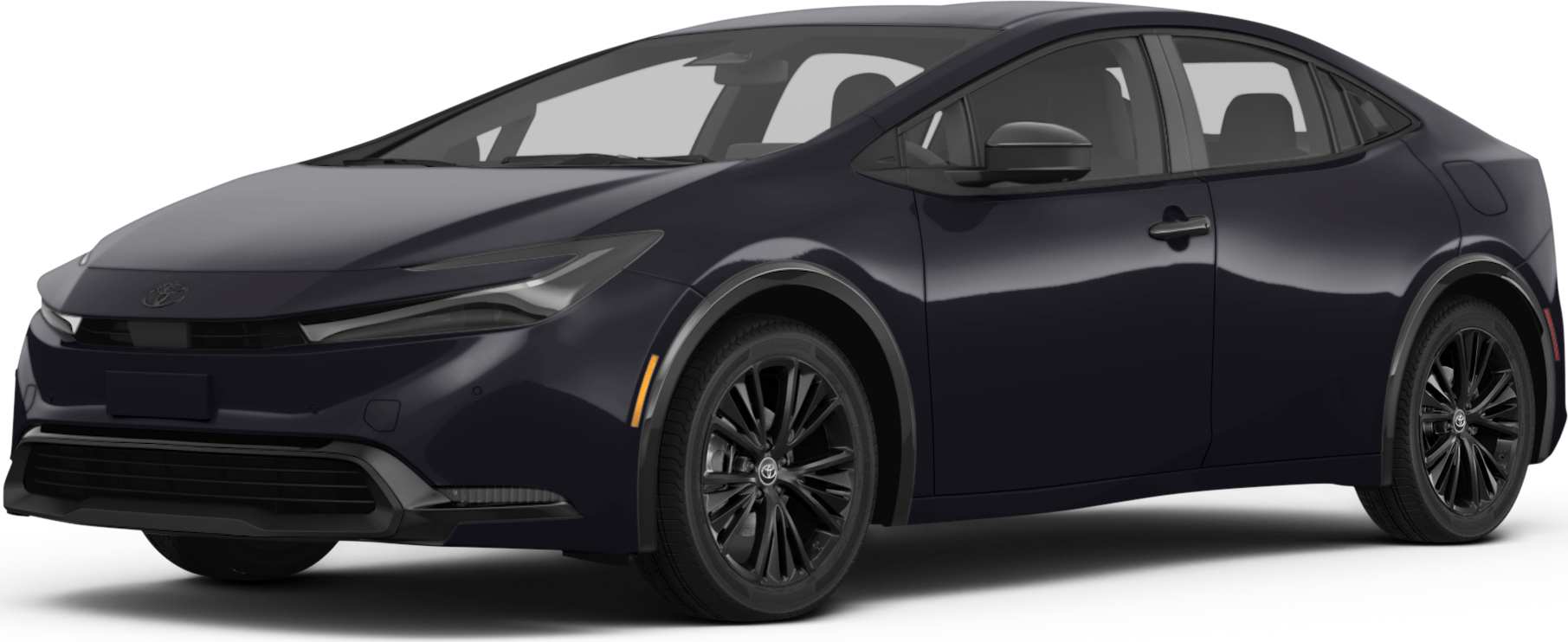
2026 Toyota Prius Plug-in Hybrid front-facing, side angle cropped car colored image
#1 in PHEV Cars
2026 Toyota Prius Plug-in Hybrid
4.8
rating
Expert Rating

The Toyota Prius Plug-in Hybrid is an even more efficient version of the wonderful Prius. It can travel up to 44 miles on electricity alone.

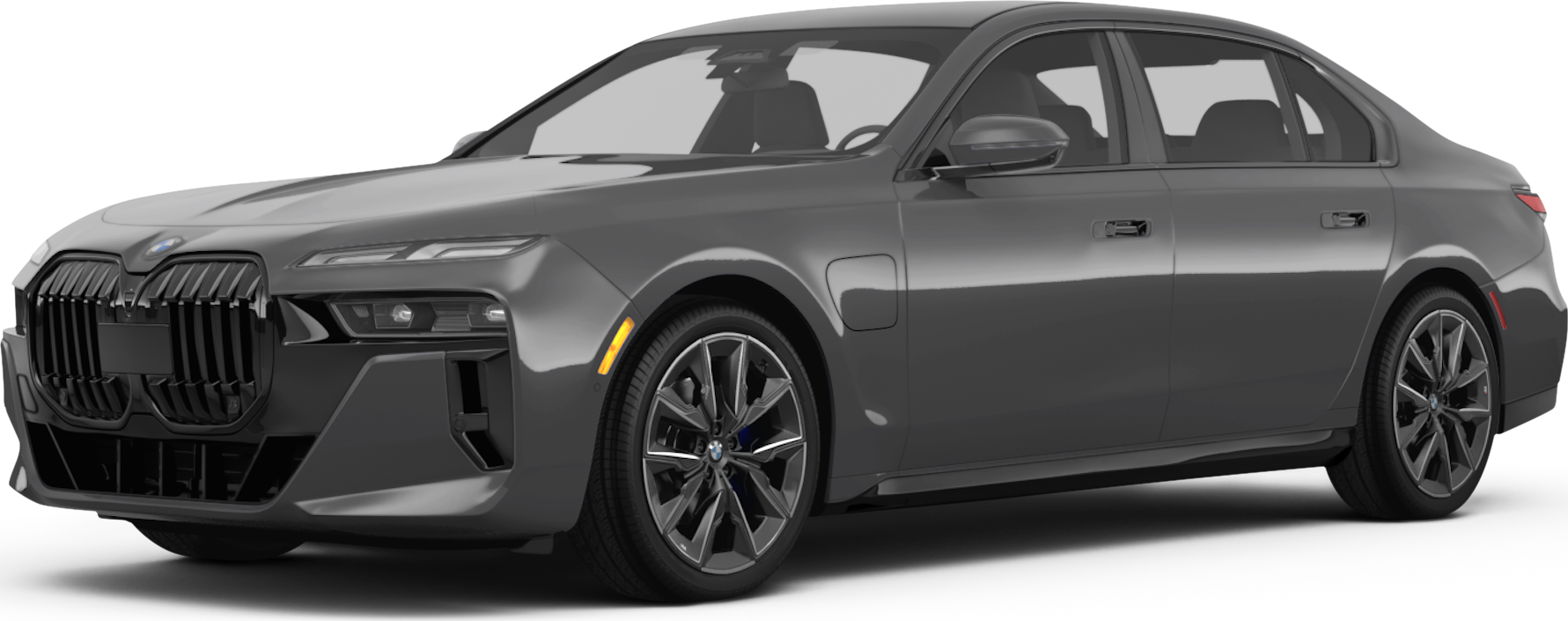
2025 BMW 7 Series front-facing, side angle cropped car colored image

#2

2025 BMW 7 Series

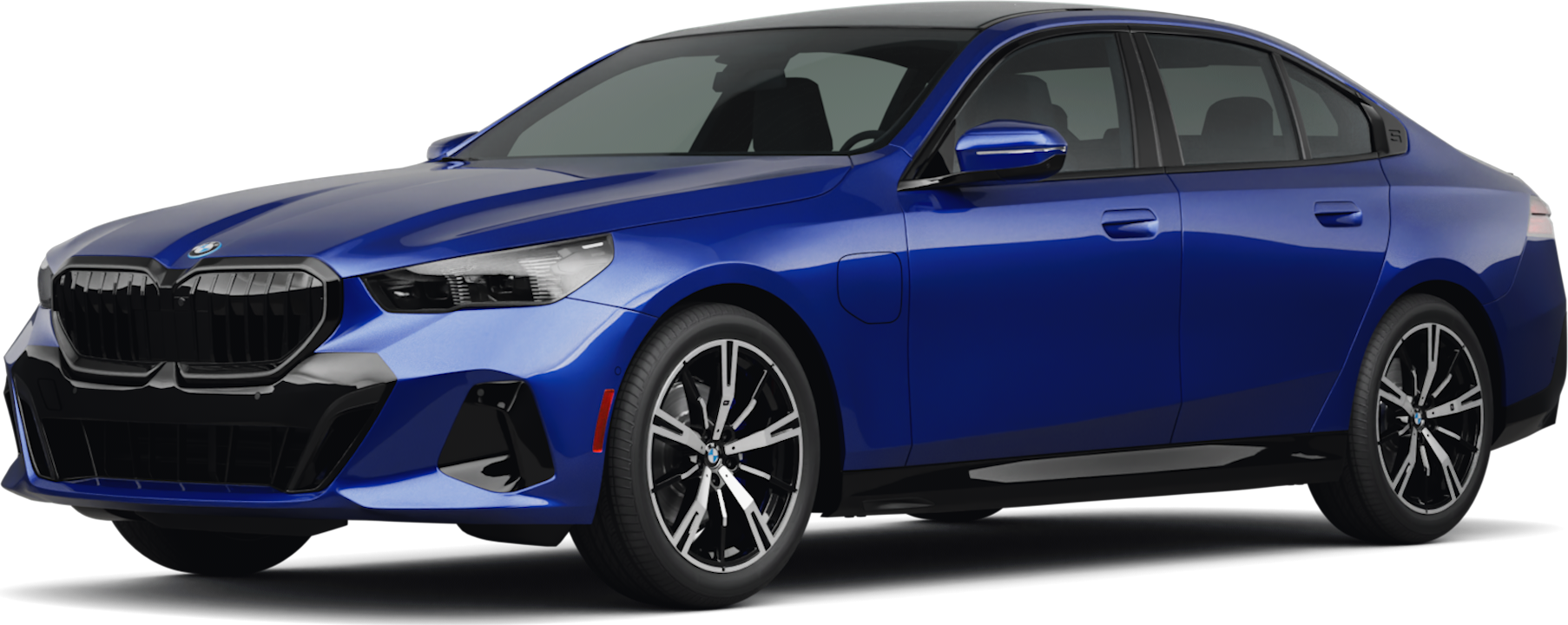
2026 BMW 5 Series front-facing, side angle cropped car colored image

#3

2026 BMW 5 Series

See the List
Advertisement
Advertisement

What Our Ratings Mean

  • 0-1.0: This is the rarest group of all because a really bad new car is really, really hard to find these days. We recommend that you pass on any vehicle receiving a rating between 0 and 1.
  • 2.0: Cars landing in this set are also rare. Only true love and limitless passion (or a free vehicle) should allow you to give in to temptation for one of these vehicles.
  • 3.0: Is the vehicle you’re looking at in this range? We’d bet that if you look a little harder, you’ll find a better vehicle at a similar price to fulfill your needs.
  • 4.0: This is the area where the rubber meets the recommendations. The 3-4 range is full of good cars and some great ones. Starting here, it’s OK to listen to your heart.
  • 5.0: These scores represent the cream of the crop, with “5.0” representing, well, near perfection. Any car you choose in this group will treat you very well over time.

How Kelley Blue Book Rates Cars

Rather than pulling random numbers out of the air or off some meaningless checklist, KBB’s editors rank a vehicle to where it belongs in its class. Before any car earns its KBB rating, it must prove itself to be better (or worse) than the other cars it’s competing against as it tries to get you to spend your money buying or leasing.

Our editors drive and live with a given vehicle. We ask all the right questions about the interior, the exterior, the engine and powertrain, the ride and handling, the features, the comfort, and of course, about the price. Does it serve the purpose for which it was built? (Whether that purpose is commuting efficiently to and from work in the city, keeping your family safe, making you feel like you’ve made it to the top — or that you’re on your way — or making you feel like you’ve finally found just the right partner for your lifestyle.)

We take each vehicle we test through the mundane — parking, lane-changing, backing up, cargo space and loading — as well as the essential — acceleration, braking, handling, interior quiet and comfort, build quality, materials quality, reliability.

Meet our editors

Latest PHEV NewsMore articles

VW Brings Back* the Rabbit

Volkswagen is adding a Rabbit limited-edition trim to the Golf GTI that will slot between the S and SE models.

Is the 2027 Kia Seltos Actually a Good Value?

The new 2027 Kia Seltos spans a wide price range, so we take a hard, numbers-based look at whether the money makes sense.

Toyota Sienna Minivan Gets a Thorough Tech Update for 2027

Toyota updated the Sienna minivan for the 2027 model year. Here’s a brief rundown on some of the biggest changes.

Waymo’s Self-Driving Taxi Service Suspended Following Incident

Waymo suspends self-driving taxi service from U.S. freeways after California bans them from its freeways pending an investigation.

2026 Kia Sorento Hybrid vs. 2026 Honda CR-V Hybrid Comparison

Compare the 2026 Kia Sorento Hybrid to the 2026 Honda CR-V Hybrid and decide which hybrid SUV is right for you and your family.

Hyundai Reveals the All-New Eighth-Generation Elantra at LA Auto Show

Hyundai revealed an all-new eighth-generation Elantra this morning at the LA Auto Show, longer, wider, and more angular than the model it replaces.

See All the Latest PHEV News

FAQ

What is a plug-in hybrid?

Plug-in hybrid electric vehicles (or PHEVs) allow drivers to travel moderate distances on pure electric power without having to worry about getting stranded by an empty battery. That’s because these vehicles have both a battery-powered electric motor and a traditional gas-powered engine. The batteries in PHEVs are larger and more powerful than those found in standard hybrids, with most having an electric range between 15 – 30 miles. When the battery is nearly depleted, the gas-powered engine automatically takes over to keep the car running seamlessly.

Are plug-in hybrids worth it?

Every driver’s situation is unique, but a PHEV can be a worthwhile investment. For starters, drivers will use significantly less gas by charging the vehicle at home (electricity generally remains a cheaper option than gasoline across the country). New PHEV owners are also eligible to receive a federal tax credit of at least $2,500 and potentially as much as $7,500.

What is the difference between a hybrid and a plug-in hybrid?

There are significant differences between a PHEV and a standard hybrid vehicle. PHEVs have a larger battery that can provide pure electric power for approximately 15 – 30 miles. Standard hybrids are much more reliant on the gas engine; the smaller battery only provides unassisted power for very short periods like when idling, braking, or accelerating from a stop. Then, of course, there is the “plug-in” aspect. You can connect a charging cable from a PHEV to a standard 120-volt outlet and replenish the battery in about 5 – 6 hours. There is no plugging in a standard hybrid; it relies on the gas engine and features like regenerative braking to keep the battery charged.

What is the difference between a PHEV and an EV?

While PHEVs use both battery power and gas, an EV relies solely on battery power. Not surprisingly, the batteries in EVs are quite large, and some can power the vehicle for 400 miles or more. That said, there is no backup power source in an EV. Once the battery is tapped out, that’s the end of the road. EV owners must carefully plan trips and make sure their routes include charging stations if traveling beyond the vehicle’s electric range. That’s where PHEVs may have an advantage. The option to have a full tank of gas on stand-by can offer drivers extra peace of mind.

Advertisement