

Affordability is a leading factor that shoppers of small SUVs consider when making their purchasing decisions. In its 2027 rework, the Kia Seltos spans a wide price range. It starts in the mid-$26,000 range for a base model and climbs to over $35,000 when fully optioned with premium features. With this wide of a span for a subcompact SUV, it’s time to take a hard, numbers-based look at whether the money makes sense.
Pricing the Seltos Trim Ladder
The non-hybrid 2027 Seltos lineup starts at $26,485 for the base LX with front-wheel drive (FWD) and stretches up to $34,285 for the range-topping X-Line SX with all-wheel drive (AWD), before adding options to your heart’s content.
- The entry and mid-trims: Models like the LX, S, and EX capture the affordable end of the spectrum and are the most fuel-efficient of the bunch, too, returning a pretty decent 28 mpg city/33 mpg hwy/30 mpg combined with the standard 2.0-liter engine.
- The turbo and top-end: Upgrading to the X-Line or X-Line SX brings standard AWD, a punchier turbo engine, and a drop to 26 combined mpg, pushing real-world sticker prices even higher, especially with added packages.
- Next on the horizon: A Seltos Hybrid is slated to join the lineup. While it will undoubtedly improve fuel economy, it will likely carry a price premium over the standard gas models, pushing shoppers even further up the financial ladder.

Punching Above Its Weight
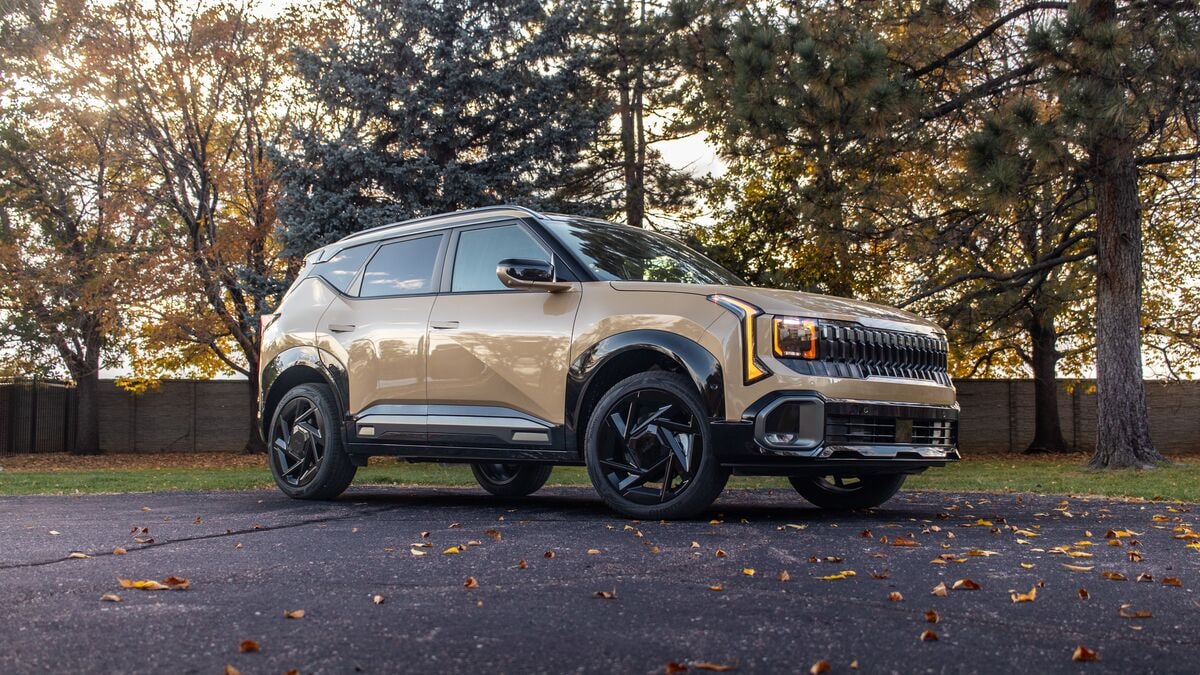
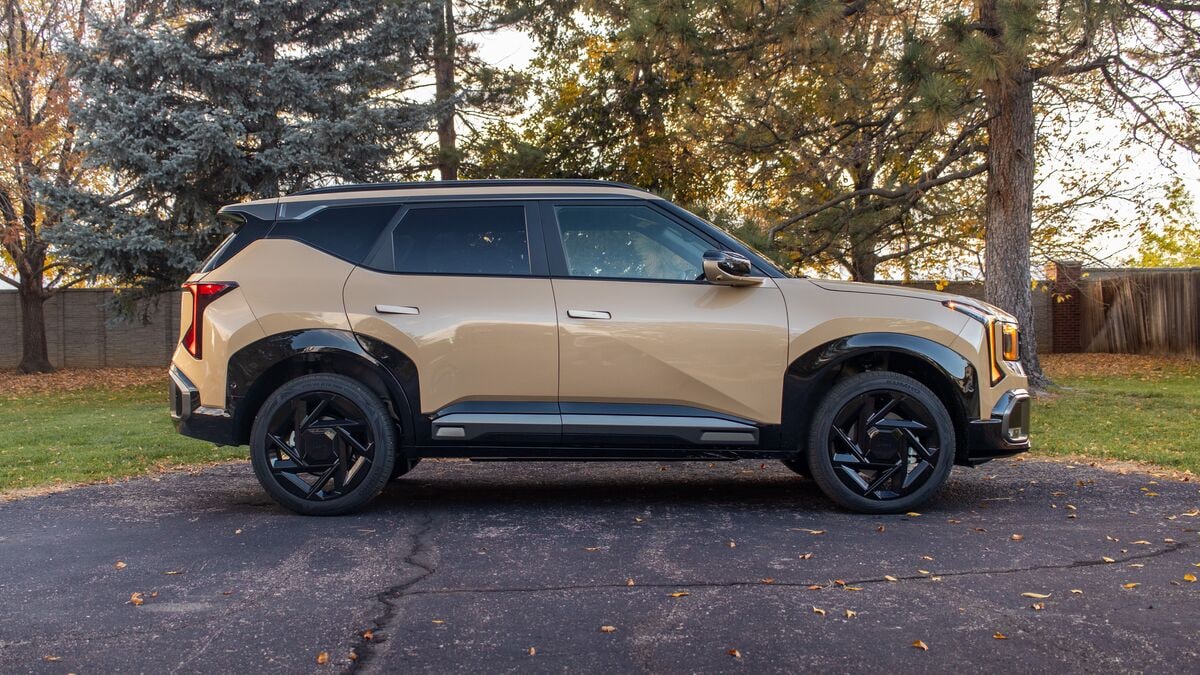
The Seltos packs a lot for its price. First is the design: The all-new styling pulls heavily from the Kia Telluride, giving it an upscale, mini-flagship presence that makes stepping up through Kia’s showroom feel seamless for growing families.
Inside, you get impressive passenger space, particularly in the rear where passengers over 6 feet tall enjoy generous headroom and legroom, complemented by reclining rear seatbacks. Cargo capacity is equally impressive, offering up to 27.8 cubic feet behind the rear seats, and up to 64.2 cubic feet with the rear seats folded, rivaling vehicles from a class above. Furthermore, historical data points to strong ownership value, with previous-generation models earning praise for low 5-year cost-to-own metrics alongside Kia’s unbeatable 10-year/100,000-mile powertrain warranty.
Assessing the Value Perception Gap
The value proposition shows some weakness when you examine how features are distributed across trims. Entry-level models omit many of the creature comforts that make the nameplate compelling, such as heated and even powered seats, which require trim or package additions. Meanwhile, the top-tier X-Line SX commands a steeper financial commitment to get features like the premium sound system, surround cameras, and more.
Performance is another mixed bag. The standard 2.0-liter engine is notably sluggish when loaded with passengers or cargo, particularly at high altitudes, where a turbocharged engine is practically mandatory. Yet, Kia restricts the turbo upgrade exclusively to the most expensive trim.
Finding the Sweet Spot
If you approach the Seltos expecting a budget-bin econobox, you will be surprised by its refinement. If you expect an entry-level luxury cruiser, the lower trims will feel too raw. Most rungs of the pricing ladder do feel a step above the competition, with very few nitpicks. But for the sake of nitpicks, the climate control screen behind the steering wheel is a bit clunky in everyday use. I think most would have preferred physical buttons for the entire experience
The mid-tier trims represent the true value sweet spot, offering the striking Telluride-inspired styling, generiys interior space, and daily usability without pushing subcompact SUV spending into compact-luxury territory. For shoppers prioritizing design, passenger room, and practical everyday packaging, the Seltos makes financial sense.