- Tesla will build its last Model S sedan and Model X SUV next quarter, the company announced yesterday.
- Both are still available, but in limited supply.
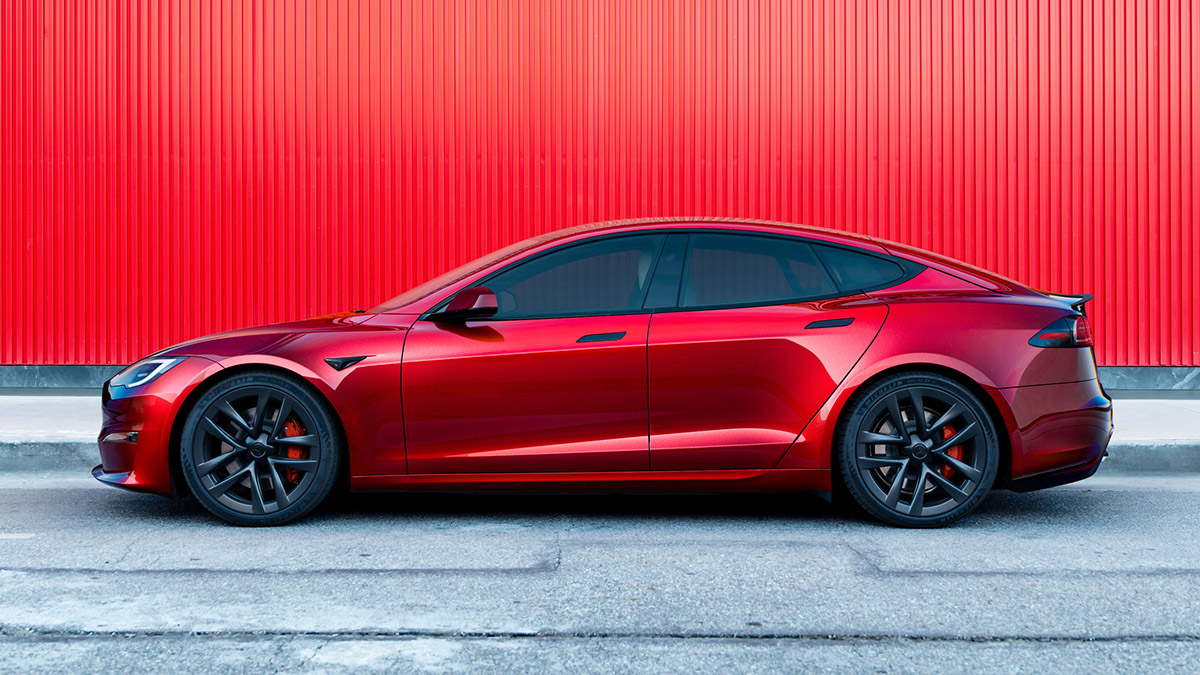
Tesla will stop building its Model S sedan and Model X SUV in the second quarter, the company announced yesterday.
“It’s time to bring the Model S and X programs to an end with an honorable discharge,” CEO Elon Musk told investors and reporters on a call to discuss the company’s earnings in the fourth quarter of 2025.
“If you are interested in buying a Model S and X, now would be the time to order it because we expect to wind down S and X production next quarter and basically stop production of Model S and X next quarter,” he continued. “We will obviously continue to support the Model S and X programs for as long as people have the vehicles.”
The company is still accepting orders for both and has a small inventory of available cars already built.
The move frees up factory space Tesla hopes to use to produce humanoid robots as part of a pivot away from car production. Musk says Tesla’s future lies in automation and robotics.
Tesla’s car sales peaked in February of 2023.
About the Canceled Cars
- The Model S will likely go down as a historically significant model.
- But both have grown outdated and been largely surpassed by rivals as Tesla has shifted its attention away from cars.
Tesla has been a lightning rod since Musk began involving himself in politics. But, whatever you make of the company today, the Model S will likely go down as one of history’s most significant cars.
It wasn’t the first mainstream electric vehicle (EV). The original Nissan Leaf predated it by a year, and some of us remember the GM EV1 in the 1990s. The Model S wasn’t even the first Tesla. The original Tesla Roadster gets that honor.
But it did more to excite a certain segment of the public about EVs than any other early model. It kick-started the development of global EV battery supply chains. It introduced the world to the North American Charging System (NACS) connector that has quickly become the industry standard for how to charge an EV. Its Plaid model showed the performance potential of EVs, with some models getting close to a sub-2-second zero-to-60 mph time. And sales of the Model S funded the research and development that led to more mainstream models like the Model 3 and Model Y.
That research led to building the latter two from very few large cast parts – an innovation now spreading through the auto industry as companies like Toyota and Volvo adopt it for some models.
But the Model S has grown outdated. Its 400-volt architecture can’t absorb energy as fast as the 800-volt platforms of more recent rivals. The Lucid Air Sapphire stole the Plaid’s performance crown.
Last month, Tesla sold more than 32,000 Model Y SUVs and just 483 Model S sedans.
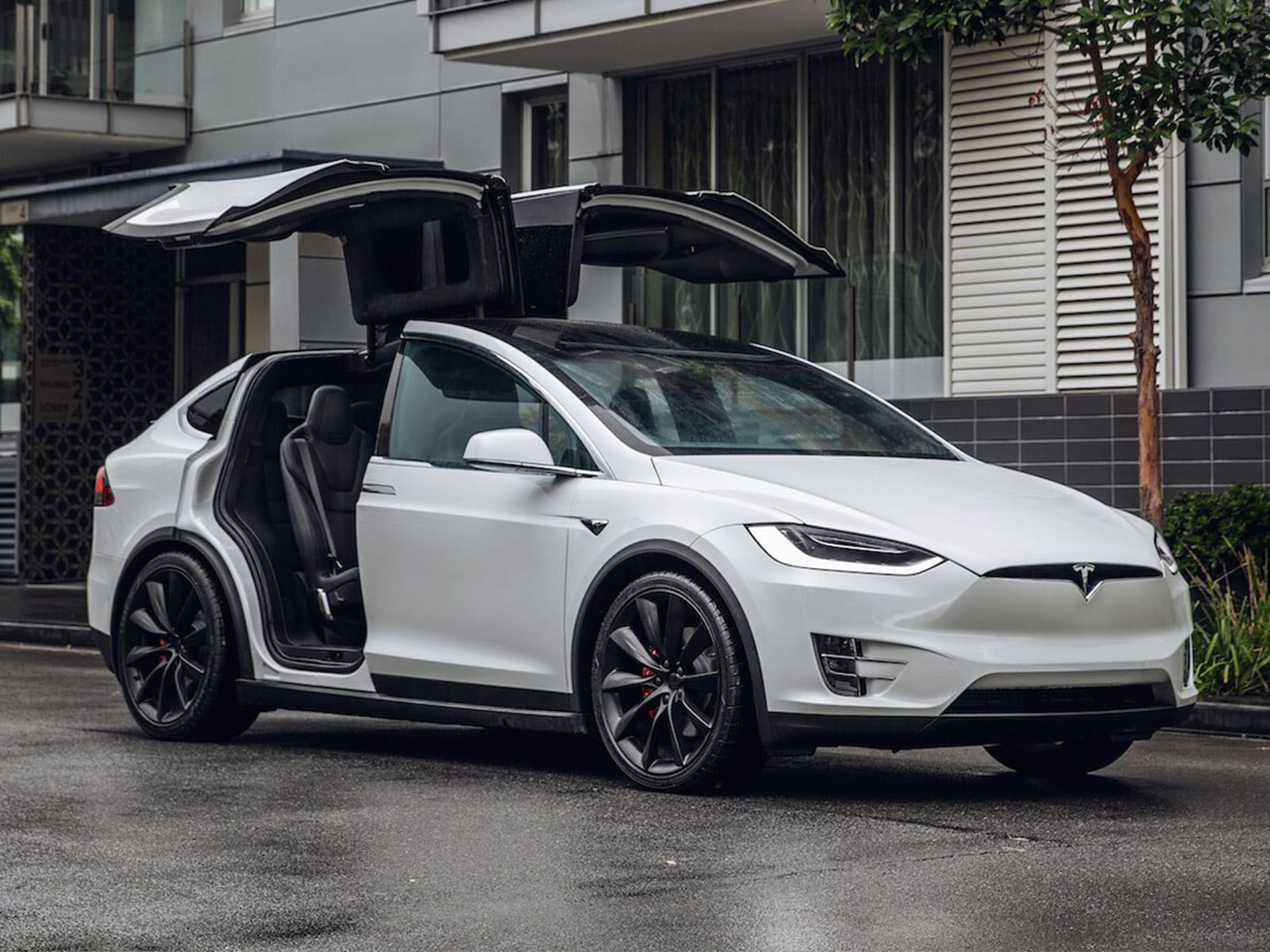
The Model X excited fans with its Falcon wing doors and helped Tesla expand into the SUV market. It outsells the Model S today, as you’d expect of an SUV. But it shares the same platform as the sedan, giving it many of the same limitations.