
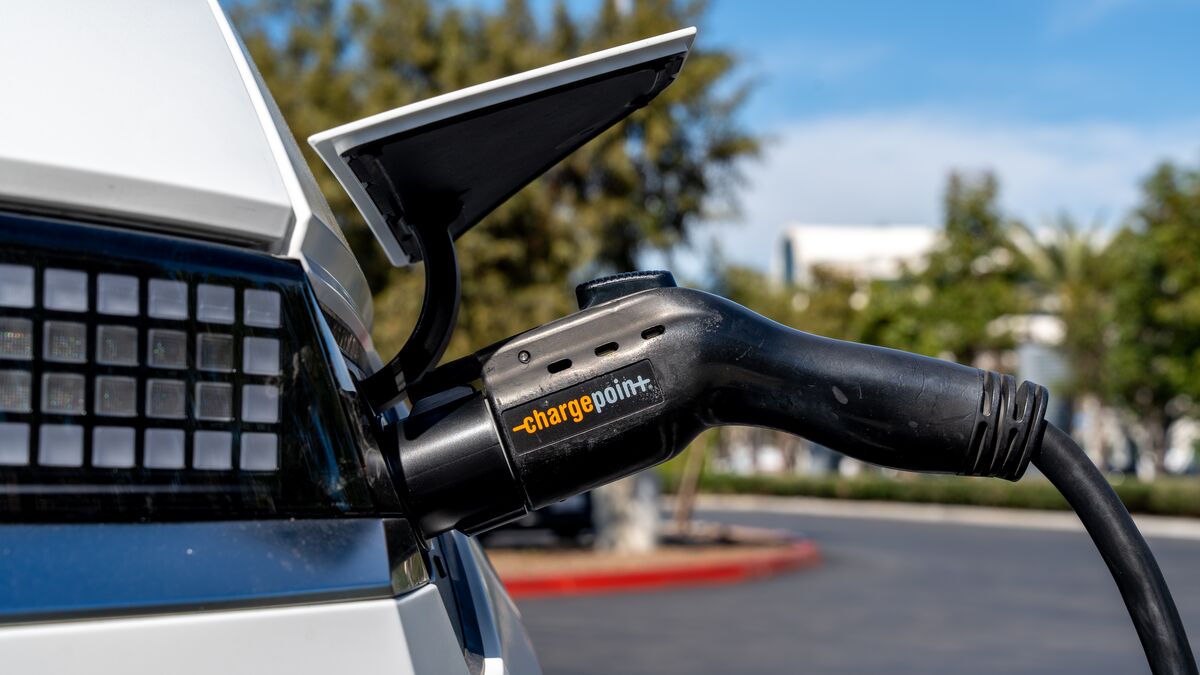
After years of measuring charger reliability, ChargerHelp’s latest report offers insight into what happens when an electric vehicle (EV) charger breaks down and why repairs seem to take so long.
According to a recent J.D. Power study, public perception of EV chargers has improved over time. People are generally more satisfied with their EV charging experience than in previous years, due to increased reliability.
However, a recurring problem many drivers still encounter is broken chargers that remain out of service for weeks or months at a time. After analyzing more than 500 million charge sessions across 60-plus charging systems, ChargerHelp data has given greater insight into why this problem is common.
Repeat Repairs Account for Nearly Half of Charger Downtime
In the study, ChargerHelp, a California-based company that provides support companies across the charging network, found that 36% of charger outages required multiple technician visits. Despite this only representing around a third of all outages, it accounted for 48% of total downtime days.
Chargers needing multiple visits were also down for much longer, taking 39 days to repair, compared with 18 days for single-visit issues.
Even if technicians resolve charger outages quickly, a small group of especially difficult repairs can keep chargers offline for weeks and account for nearly half of all downtime.
The Biggest Delays Often Happen Before Repairs Begin
If you come across an EV charger that has been out of service for weeks, it might not be because no one knows about it or has bothered to fix it. The report found that it’s more likely due to diagnostic delays, parts shortages, and coordination problems among manufacturers, network operators, site hosts, and repair providers.
In a sample of 47 cases, parts and access coordination accounted for 92% of delays. This suggests that fixing the charger itself might not take long; instead, the long wait time depends on the behind-the-scenes repair process.
The report also finds that America’s charging network is aging: 37.6% of charging ports are now more than three years old. This suggests that, going forward, the conversation about EV chargers may shift from building them to focusing on the best ways to maintain them.
Building new chargers remains important, but finding the best ways to keep them operating efficiently may increasingly depend on restoring broken stations faster. The data here suggest that drivers often experience persistent charger outages, not because the repairs themselves are especially difficult, but because coordinating them remains a challenge.