
- 12% of the time an electric vehicle (EV) plugs into a public fast-charging station, the car fails to charge.
- That’s down from 14% a year ago, and one of several results in a new study suggesting that the public charging experience is getting better.
EV drivers are growing more satisfied with the experience of charging in public, according to a new study.
Unsurprisingly, they still rate the fastest kind of charger higher than slower models. But fewer charging failures and a wider selection of charging locations have drivers more satisfied with public charging infrastructure this year.
Those are the conclusions from JD Power’s annual U.S. Electric Vehicle Experience Public Charging Study, which asks drivers who own EVs or plug-in hybrids (PHEVs) to rate their satisfaction with public charging and report failed charging attempts.
Two Types of Public Chargers
- Drivers are more satisfied with Level 3 DC fast chargers than with slower Level 2 models.
Most EV drivers do most of their charging at home. Many have installed a home charger, enabling them to top off their car when they’re not using it. Many use public chargers only during road trips.
Plugging into a standard wall outlet, sometimes called Level 1 charging, fills an EV battery extremely slowly. Most EVs take more than 24 hours to refill without access to a special charger.
Related: EV Charging Stations — Everything You Need to Know
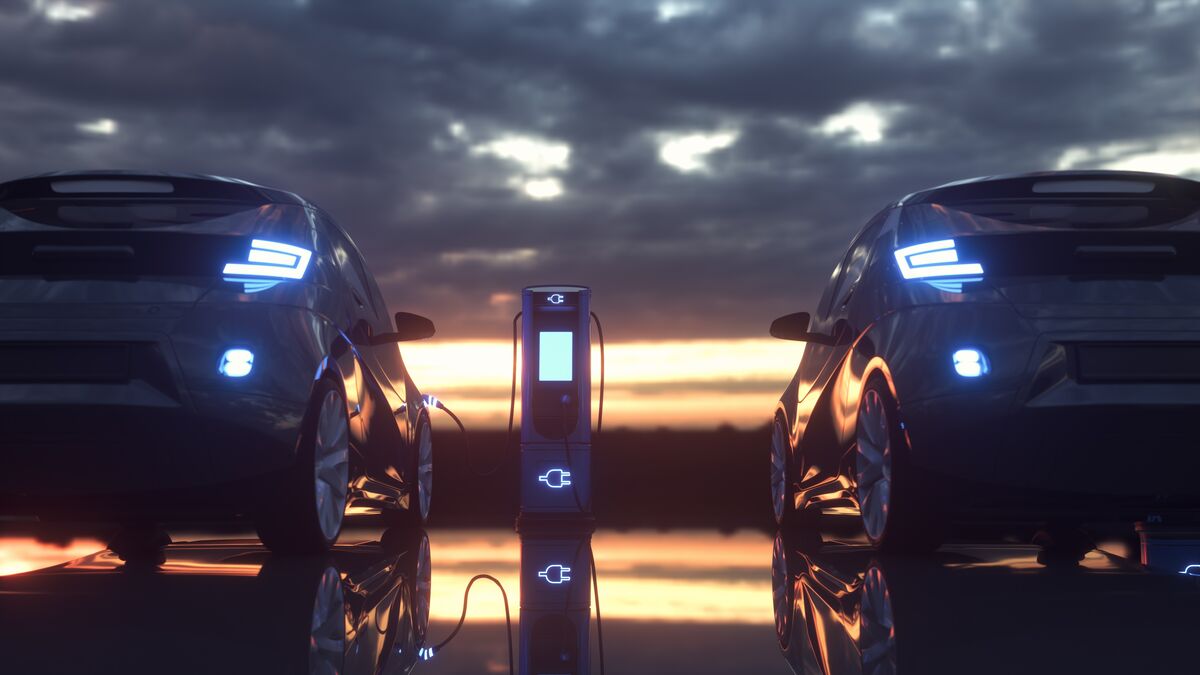
Public chargers fall broadly into two categories.
Level 2 chargers, sometimes called destination chargers, refill a battery in a matter of hours. Many EV drivers have one installed at home, where they draw power like a 240-volt appliance such as a clothes dryer. They are also found in public places, often at shopping centers where drivers might realistically spend several hours.
Level 3 chargers, also called DC fast chargers, can recharge many EVs in less than an hour. They are typically found at highway rest stops and other locations where drivers might need them during a road trip. They draw too much power to install in a home.
Type, Location Matter
- Fast chargers outperform slower models, and those at hotels outperform those at other locations.
JD Power researchers found a divide in how well the two types are working.
“The improving public charging experience is being fueled by gains in DC fast charging,” they wrote. “In contrast, satisfaction with public Level 2 chargers has declined, primarily due to lower scores for ease of payment and ease of charging.”
For the fastest kind of charger, they found, “Newer, higher-speed chargers, larger charging sites, destination-style locations with more amenities and more seamless payment options are reducing failed charging attempts and delivering a more reliable charging experience.”
In 2023, 21% of fast charging attempts failed. Last year, that figure was down to 14%. This year, just 12% were unsuccessful — still an alarmingly high number, but steady improvement.
America is still served by a patchwork of charging networks operated by different companies. The researchers found a distinct pattern; those operated by automakers are outperforming those owned by electric utilities or companies that only operate chargers.
“By focusing on reliability, convenience, and a more seamless charging journey, these networks are helping address some of the biggest barriers to EV adoption and raising expectations for the public charging experience,” explained Brent Gruber, executive director of EV solutions at JD Power.
Location also matters to drivers.
“For example, satisfaction is highest among DC fast chargers located at hotels,” the researchers write. Hotel locations earned 692 points on a 1,000-point scale. Those located at gas stations and convenience stores earned 689. Chargers located at restaurants scored 688 points.
Chargers located at parking lots or garages scored 606, while those at car dealerships earned the lowest score, 570.