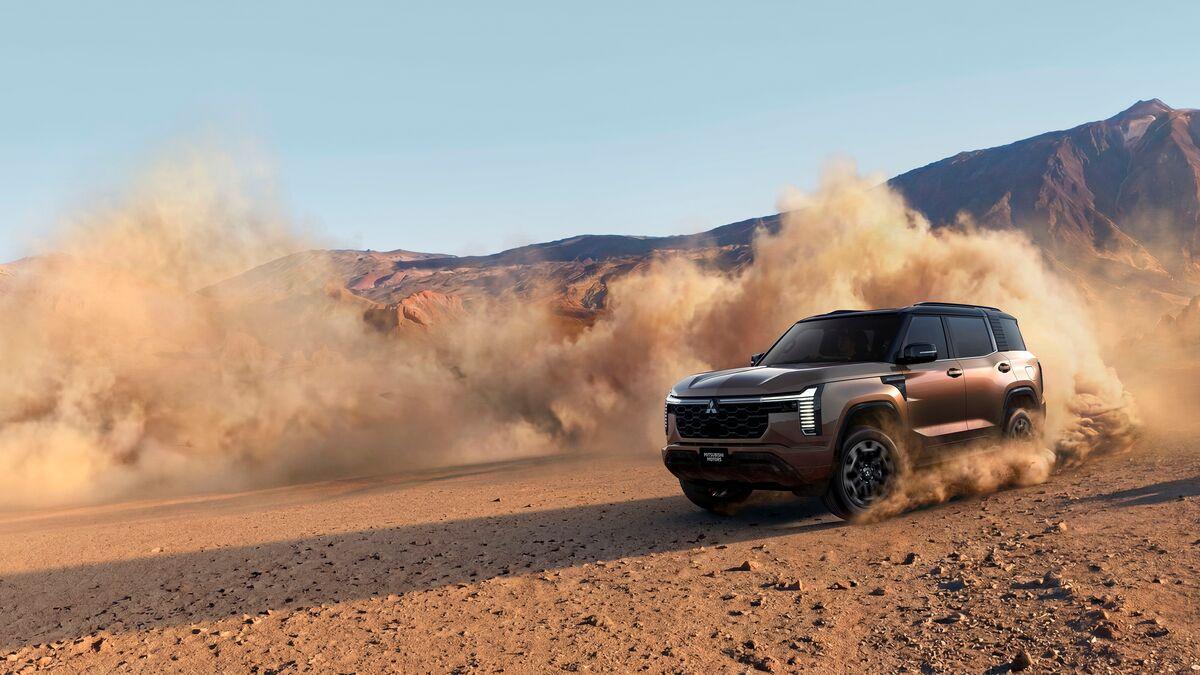

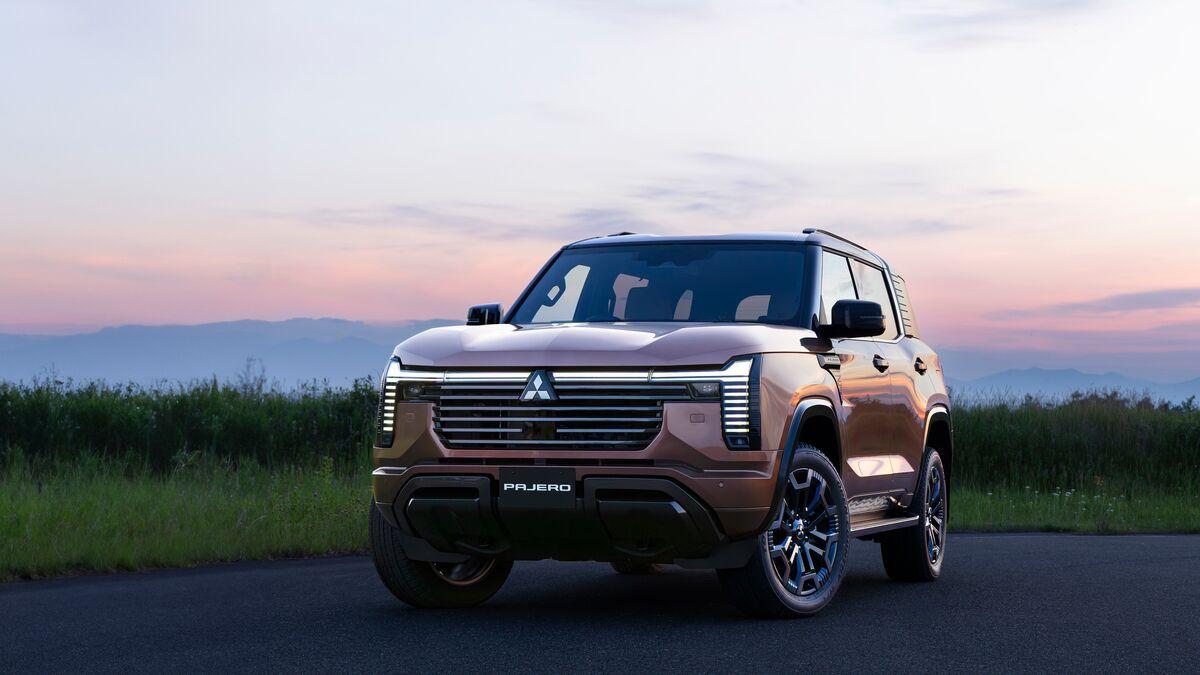
While it may be a smaller player in the United States, Mitsubishi Motors thrives in markets around the world like Japan, Thailand, and Australia. That’s a shame for us, because the company just pulled the wraps off its next-generation Pajero body-on-frame SUV, just the sort of vehicle that could help put the company back on the map here at home. Why? The Pajero is a direct competitor to the Toyota Land Cruiser, one of the nation’s most beloved and storied nameplates.
If Mitsubishi ultimately decides to send the Pajero to the U.S. (perhaps with the more familiar Montero name), here is what it would bring to the fight against its fellow Japanese rival.
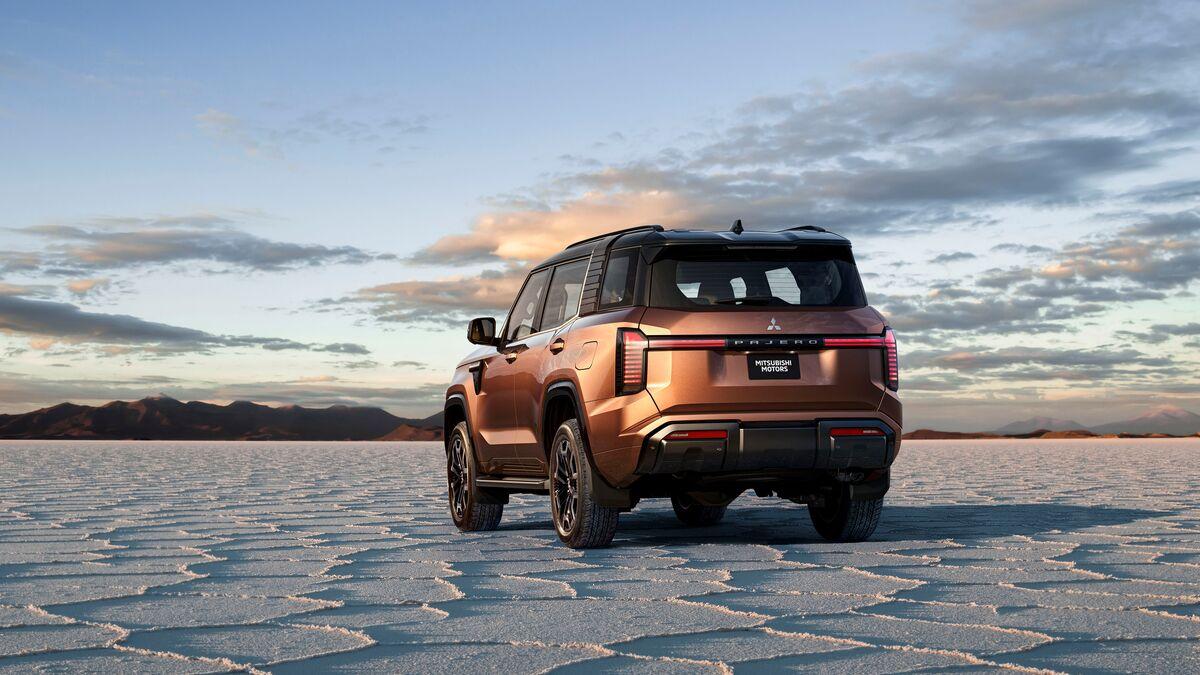
The fifth-generation Pajero rides on a ladder frame truck-based chassis, one that has been strengthened and made more rigid compared to its deployment during generation four. This is no soft-roader, as it comes with a five-link solid rear axle, an independent double wishbone suspension up front, full-time 4-wheel-drive, a locking center differential, and seven selectable drive modes.
Its profile is tall and commanding, with a rugged look that makes no mistake projecting its abilities and intentions. With over nine inches of ground clearance and Land Cruiser-like approach and departure angles, the Pajero still takes things a step further when you hop inside.
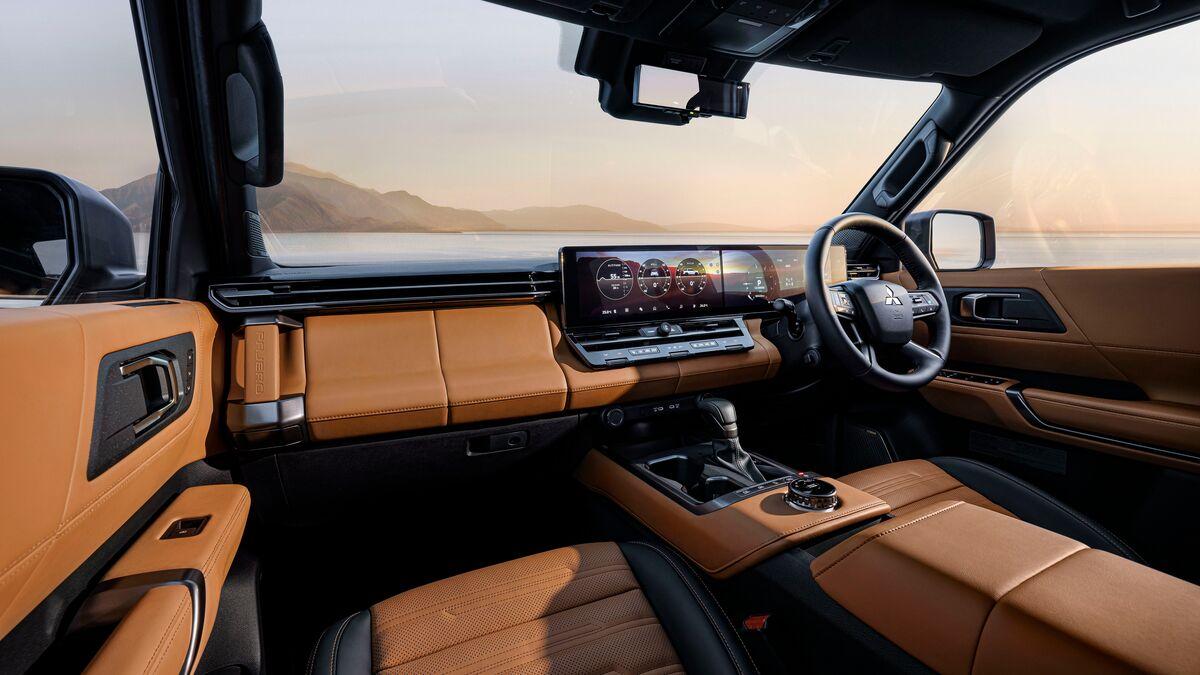
Inside, top trims of the Pajero wear a lovely orange-brown leather arrangement resembling the material found in a Mitsubishi SUV we do get here in the U.S. — the Outlander. The dashboard seems to draw design inspiration from Range Rover, while the new dual 14.3-inch displays elevate the car to levels not seen from the company’s U.S. portfolio.
The Pajero has three rows and seating for seven, and extra effort seems to have been put into providing a comfortable passenger experience.
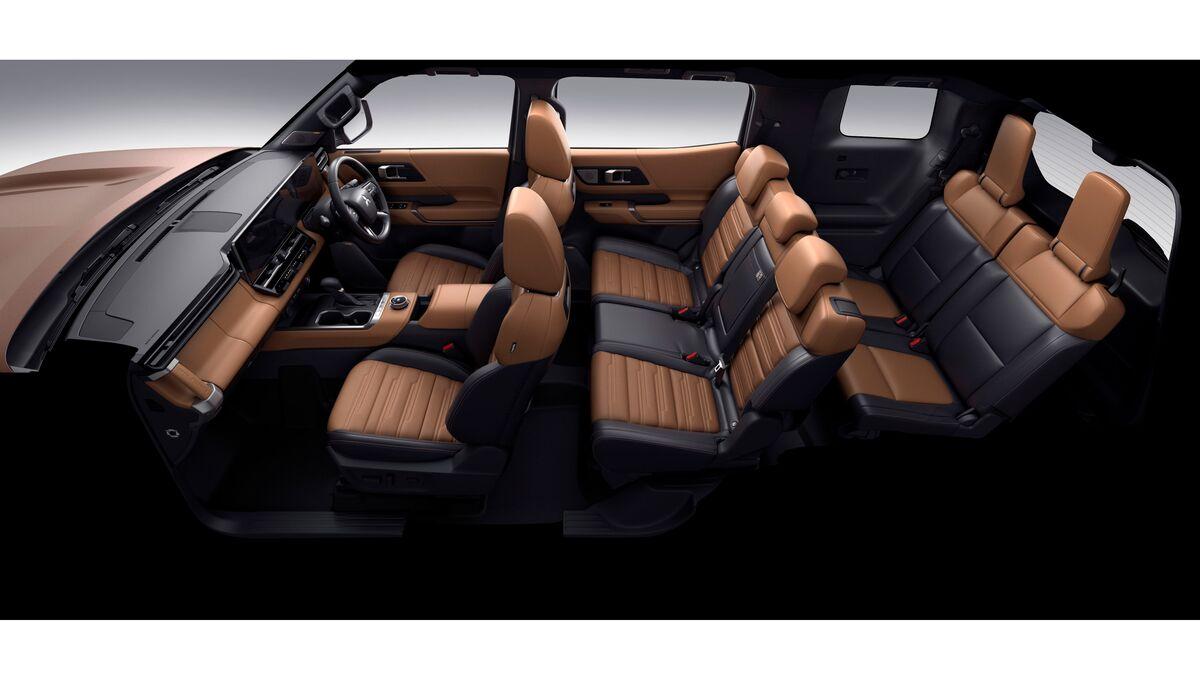
In the Pajero’s second row, there is a three-across bench that can both tumble and slide roughly six inches. Captain’s chairs don’t appear on offer, but Mitsubishi promises foot room under the second-row bench has been optimized for passengers in the third row. With its boxy shape, we don’t expect headroom to be an issue in the way back of the Pajero.
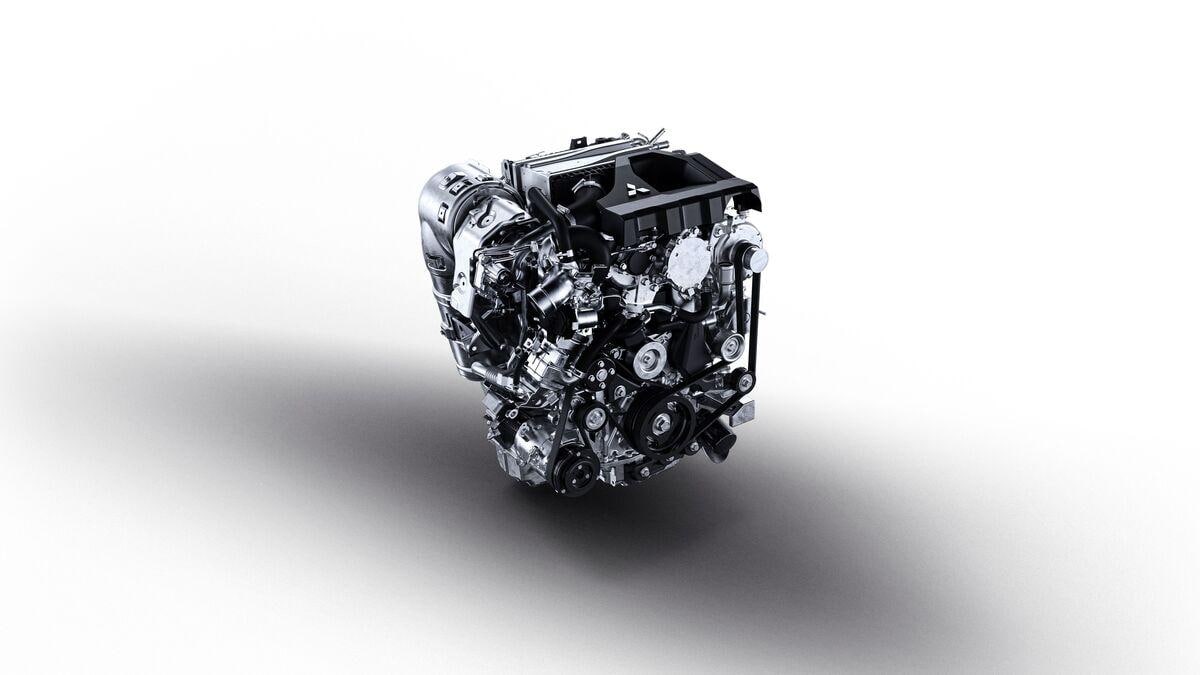
Powering this rugged SUV is an engine that we more than likely won’t ever see here in the United States: a 2.4-liter turbodiesel 4-cylinder producing just over 200 horsepower and 354 lb-ft of torque. If we were to make bets, Nissan’s 3.8-liter V6 from the Frontier would be a lovely option to swap in. (Just last week, Mitsubishi confirmed that it will grow its lineup with a truck made in collaboration with its partner Nissan.) That engine produces 310 horsepower and 281 lb-ft of torque and would give customers an alternative to the turbocharged 4-cylinder engines found in base Toyota 4Runners and Ford Broncos.
Watch this space as we wait for Mitsubishi to make the final call on making the Pajero the catalyst for an American comeback story it desperately needs. It will be available first in Thailand, the country in which it is assembled, later this year.