
- A spreading Middle Eastern war has pushed gas prices up $0.34 in a week.
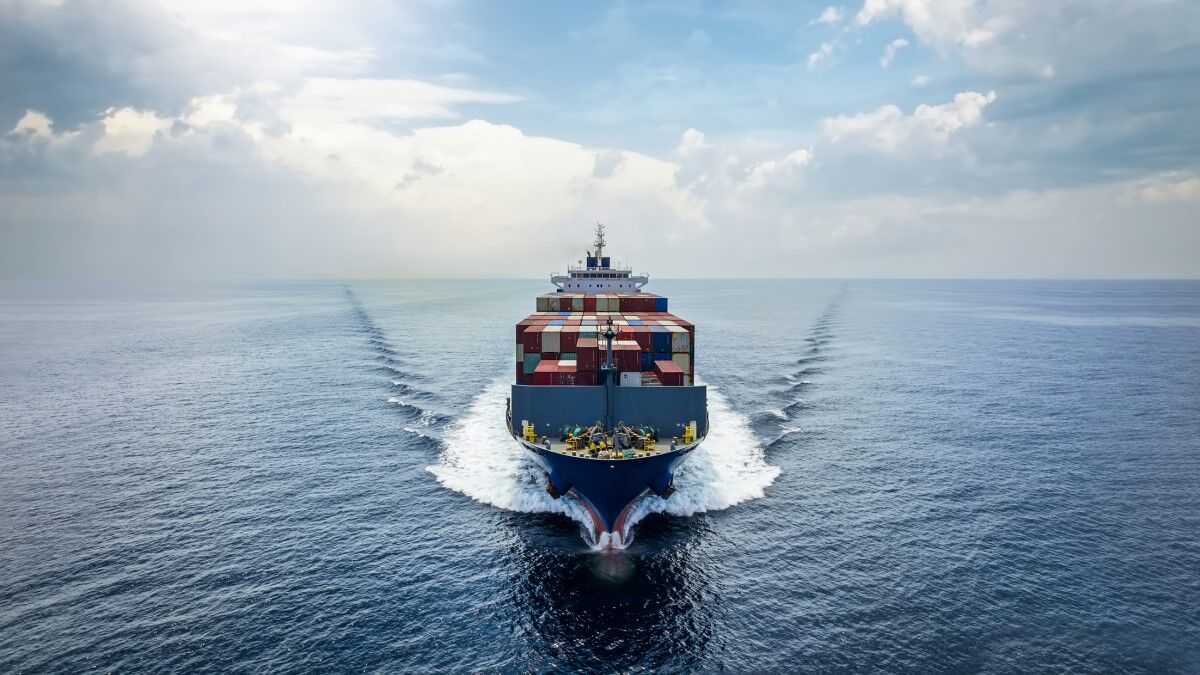
- The closure of a key shipping channel could slow supplies of new cars and parts to regions around the world.
As fighting in Iran reaches its seventh day, the automotive industry begins to take stock of the disruptions. American motorists are already feeling the pinch as gas prices rise quickly.
AAA reports that the average cost of a gallon of regular gasoline in the U.S. hit $3.32 this morning, up from $2.98 a week ago. California, the most populous state, has the highest average price, at $4.91 per gallon. Mississippi, where much of America’s gasoline is refined, has the lowest, at $2.88.
Prices are rising because the fighting has closed the Strait of Hormuz, a strategically important shipping lane that about a fifth of the world’s oil passes through daily in peacetime.
Should the fighting drag on, higher gas prices could reshape the car market.
In the short run, Americans feeling the impact on family budgets are likely to shop less.
Wedbush Securities analyst Dan Ives told The Detroit News, “The biggest risk is oil prices go much higher, it puts a dent in (vehicle) demand, the supply chain shock continues, and if it continues for months and months, that that is an overhang for the Detroit automakers, as well as consumer confidence.”
American Automakers More Affected by Gas Prices Than Their Competition
- Government policy has pushed U.S. automakers back into thirsty gasoline engines.
- That leaves them more exposed to unstable gas prices than their competition.
Detroit’s automakers are more exposed to that danger than their foreign rivals, the Detroit News notes.
“A drawn-out war with Iran that pushes oil prices higher for longer could dampen U.S. car sales and especially ding the Detroit Three automakers because of their heavy reliance on gas-guzzling trucks and SUVs.”
The White House has taken several steps to encourage automakers to focus on gas-powered cars rather than transition to electric vehicles (EVs). The federal government has halted enforcement of fuel-economy standards and stripped away greenhouse gas restrictions.
That has American automakers shifting somewhat back toward more V8 engines and building fewer EVs. Globally, about a quarter of all new car sales are now electric. In the U.S., that figure hovers closer to 8%.
Global Trade Impacts Limited, So Far, in U.S.
- Almost no cars or car parts are exported from the Middle East to America.
- Some automakers will lose sales in the region, and rising energy costs could push prices higher for everyone.
Closure of the strait will have little impact on car production in the U.S.
Industry publication Automotive News reports that some global automakers will lose sales in the Middle East.
Toyota will cut output by 40,000 vehicles to account for possible logistic disruptions in shipments to the Middle East, Japan’s Nikkei newspaper reported.
The company “accounts for 17% of Middle East regional sales, Hyundai for 10%.” Both companies could attempt to boost U.S. sales to make up for lost sales there.
But few cars or parts travel through the strait. Automotive Manufacturing Solutions notes that a general rise in production costs may affect car prices more.
“Energy costs account for a significant proportion of total production expenses in vehicle assembly. Steel foundries and aluminium [sic] smelters, whose output feeds every stamping line on the planet, are among the most energy-intensive industrial facilities in existence. Paint shops, body presses and powertrain machining all consume electricity at scale. When the marginal cost of energy rises sharply, the pain distributes itself throughout the supply chain within weeks, not months.”
Already facing higher costs from aggressive American tariffs, automakers could be forced to raise prices again if the war drags on.