

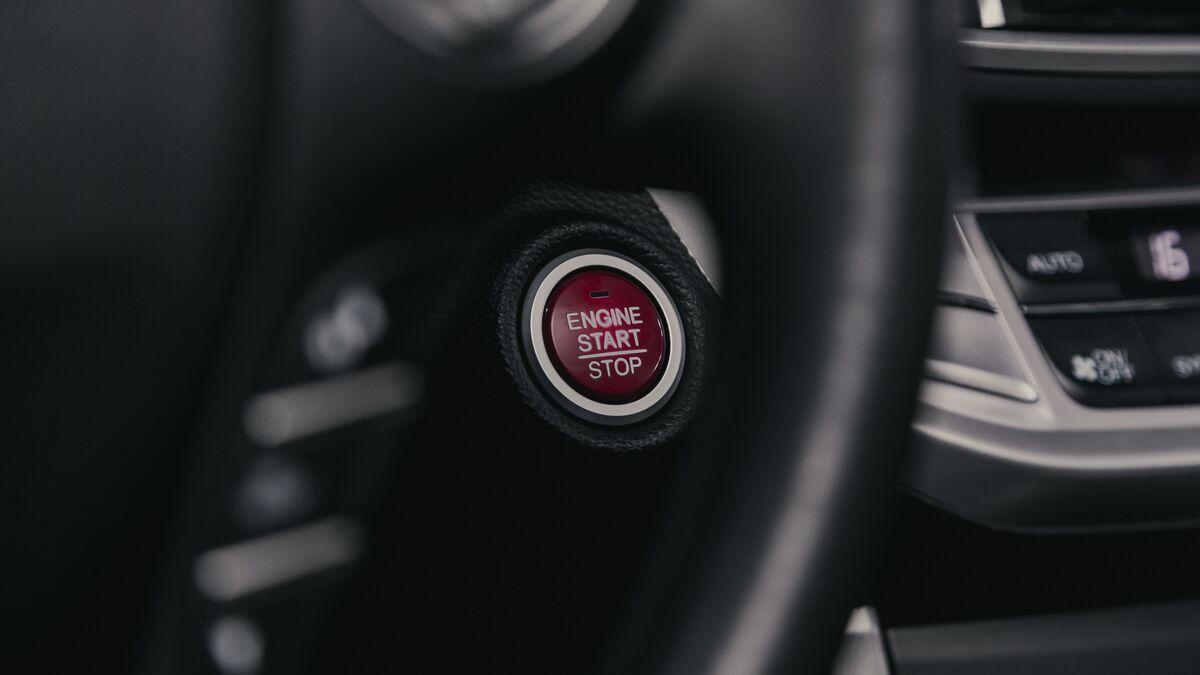
- More than 1 million vehicles are under investigation for start-stop problems.
- Five models from the 2024-2026 model years are included in the probe.
- This is the second action related to the problem for Honda vehicles.
Automatic start-stop systems help save fuel in newer cars, but the feature isn’t the most popular with buyers. It’s also causing headaches for Honda, as the National Highway Traffic Safety Administration (NHTSA) recently opened an investigation into the automaker’s use of the technology after receiving more than 700 complaints that the vehicles failed to restart.
The NHTSA’s engineering analysis will look at more than 1 million Honda vehicles from the 2024-2026 model years, including the Odyssey, Passport, Pilot, Ridgeline, and Acura MDX. Drivers noted that their vehicles shut down as expected but failed to restart.
Related: Do Automatic Stop/Start Systems Improve Fuel Economy?
This is the second NHTSA probe related to Honda’s start-stop problems, and this round includes some of the same vehicles as the first investigation. Regulators said that while it included some vehicles in both probes, the two actions appear to have different causes and appear to require different repairs.
It’s important to note that an investigation doesn’t automatically mean that a recall is coming. The NHTSA’s engineering analysis is the second investigative step before a recall, which could come if Honda or the NHTSA determines that a widespread safety defect or noncompliance issue exists.
Start-stop systems are designed to conserve fuel. They turn off the gas engine when the vehicle comes to a complete stop, such as at a red light. Under normal circumstances, the system restarts the engine when the driver lifts their foot off the brake, and the process is relatively seamless.
Fuel is expensive, but it hasn’t gotten pricey enough to convince drivers of start-stop’s usefulness. The dislike of start-stop is so widespread that the Environmental Protection Agency waded into the debate in early 2026, with administrator Lee Zeldin eliminating credits for automakers who implement the tech.