
Legislation recently passed by a House Energy and Commerce Committee would codify existing industry memorandums of the REPAIR Act and give the Federal Trade Commission authority to enforce the agreements. REPAIR is an acronym for Right to Equitable and Professional Auto Repair Industry. The act was reintroduced to Congress in 2025 and aims to prevent automakers from “gatekeeping” maintenance information and tools from independent repair shops.
The 2014 Agreement
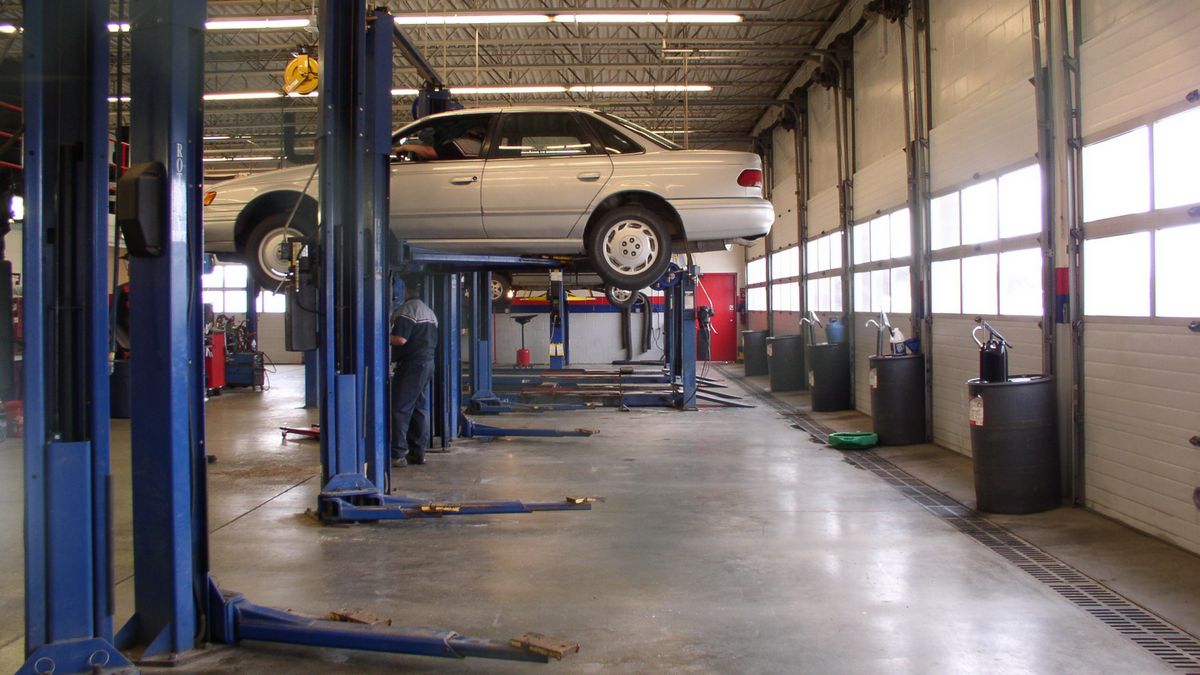
According to the Alliance for Automotive Innovation, which represents nearly all major automakers, 75% of post-warranty repair work takes place at independent repair shops. In 2014, the group said automakers committed to making repair instructions, tools, and diagnostic codes available to dealers and independent repair shops.
Technical Challenges
However, as technology and software advance, independent repair shops say they need more help. Evolving vehicle technologies, such as advanced driver assistance systems, software-based components, and EVs, pose challenges for repair shops, as they may require specialized training or costly equipment to repair.
Diagnostic and repair data is transmitted wirelessly to automakers, which repair shops and dealerships aren’t always able to access.
Wider Access
If Congress passes this legislation, it would mean vehicle owners have access to and can share the information necessary for repairs. This legislation would require manufacturers to provide access to vehicle data relating to diagnostics, repair, calibration, and recalibration.
President Trump said he met with auto industry leaders last week to discuss the debated legislation, but specific details about the meeting are unknown.
Data Sensitivity
The opposition argues that parts manufacturers could use repair data from vehicle manufacturers to reverse engineer parts and produce knockoffs. Opponents also contend this bill would give insurance companies more power to influence repair decisions.
Reducing the number of repair options, meanwhile, could lead to increased repair costs for shoppers and potentially prompt them to travel farther for repairs.