

Then and Now
Porsche 911: Classic vs. Modern
Drag the slider to fade from an early 911 design to the modern design.


Photos: Porsche
At Luftgekühlt, the annual gathering devoted to air-cooled Porsche vehicles, immaculate race cars sit alongside well-used street cars, and both share the spotlight. Luftgekühlt (pronounced LOOFT-guh-koolt) is German for "air-cooled," and the event began in Southern California as an alternative to conventional car shows. Some are meticulously restored. Others still carry chipped paint, worn upholstery, pitted windshields, and decades of road grime.
Patrick Long notices those cars.
A longtime Porsche factory racing driver and one of Luftgekühlt’s founders, Long has spent much of his life around some of the fastest and most valuable Porsche vehicles ever built. But when he talks about what makes a car endure, he doesn't necessarily start with the rarest or most expensive examples.
While rarity can make a car collectible, lasting appeal depends on more than that. “I love survivor cars,” Long said. “I love cars that have been taken care of. They were a second driver. They have multiple-decade ownership.”
Sometimes, original owners arrive with cars showing extraordinary mileage. Their wear becomes part of their history, and even sitting still, Long said, they tell a story.
Kelley Blue Book’s 100th anniversary offers a reason to consider a larger question: Why do some vehicles become classics while others simply grow old?
Design and Engineering Matter
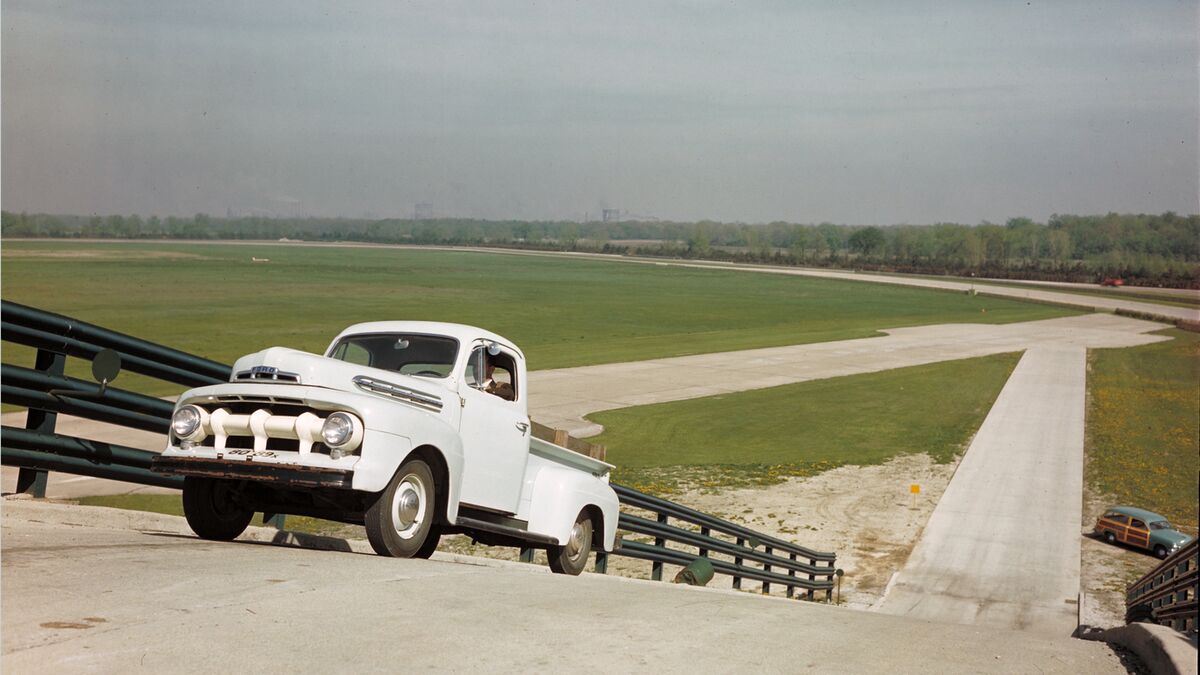
“I think design and engineering make cars timeless,” Long said. A memorable shape may draw people to a car decades later, but appearance alone isn’t enough. Long also points to functionality, driving enjoyment, reliability, and parts availability as reasons certain vehicles stay relevant.
Porsche offers an obvious example. Cars built generations apart remain visually connected, and many older examples can still be maintained and driven.
That matters. A car can be historically interesting but difficult to own. When parts, expertise, and a community remain available, an old vehicle has a better chance of remaining a living automobile rather than becoming a static artifact.
For Long, enduring cars combine both sides of the equation: They look distinctive, and they continue to work as cars.
Old Cars Offer a Different Experience
Long doesn’t argue that old cars are better than new ones. He drives a modern Porsche 911 every day and readily acknowledges the gains modern vehicles have made in safety, comfort, efficiency, and technology.
But something changes when much of that technology disappears. Older cars can be small and light. A manual transmission, mechanical controls, and fewer electronic systems demand more attention.
“Vintage cars are often just a simple, engaging process of a manual transmission, a key into the ignition, and a steering wheel,” Long said. Driving one can require both hands, both feet, and more concentration. “I think there’s a purity to it,” he said.
That purity doesn’t make an old car safer or more practical. In fact, the opposite could be true. Modern crash protection, traction control, climate control, and other technologies have transformed everyday driving for the better.
What enthusiasts sometimes miss is the involvement older cars demand. That experience helps explain why certain cars once considered ordinary transportation become desirable classics decades later.
A Classic Doesn’t Have to Be Perfect
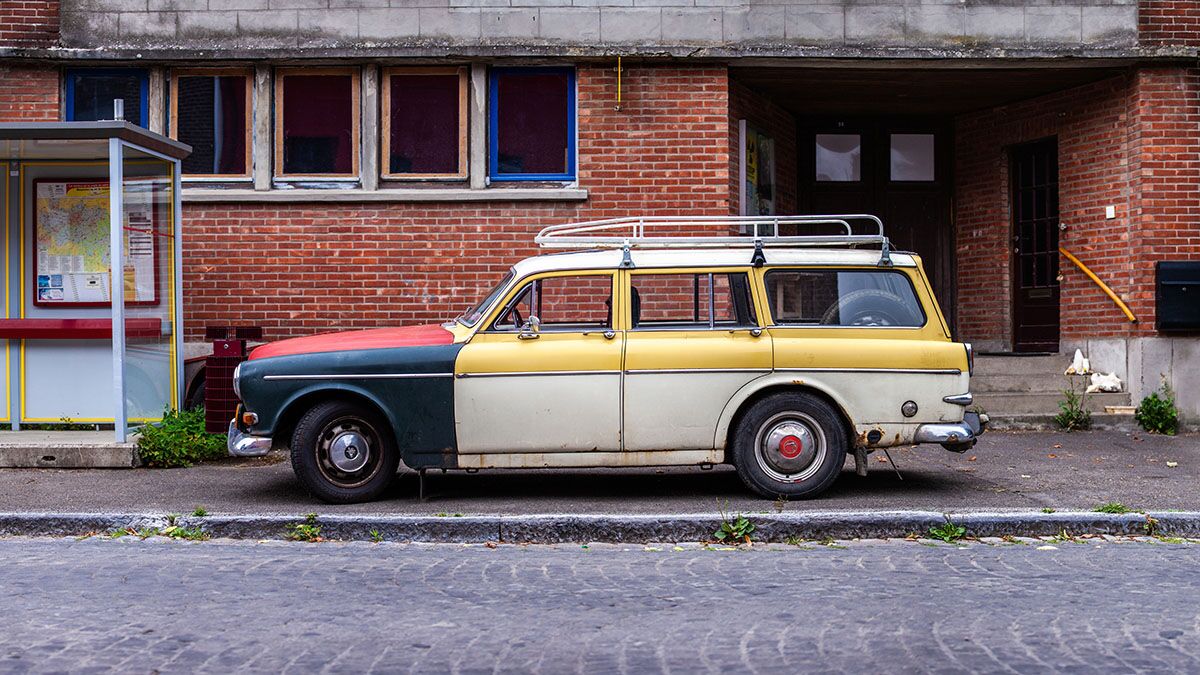
Collector-car conversations often revolve around originality. Matching numbers, factory paint, correct equipment, and unmodified components can dramatically affect what some buyers will pay.
Long takes a less rigid view. “It’s their property,” he said of the owners. “They can personalize it or modify it or use racing heritage to inspire their changes to these cars.”
Nor does a car have to look new to earn his admiration. Long appreciates preservation, including the imperfections that show how a car has been used and cared for over decades.
That appreciation points to an important distinction in how owners value cars. Market value can be measured in dollars. But cars can accumulate another kind of value through experiences: family trips, commutes, first dates, vacations, and years of ownership. A restoration can make a car look new again. Preservation can show where it has been.
MORE: Standing the Test of Time: Automakers With a Century or More In Business
A Strong Identity Can Outlast Generations
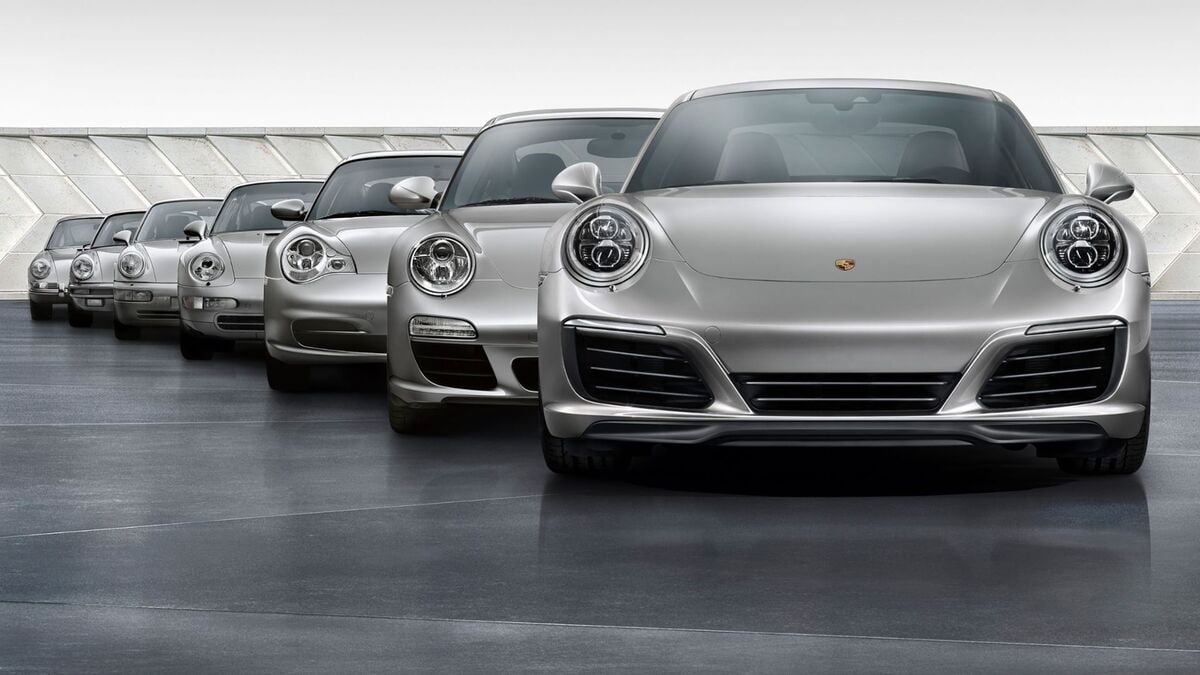
Put an early Porsche next to a modern 911, and even someone without deep automotive knowledge can recognize a family resemblance. The technology changes. Safety requirements change. Cars become larger, faster, cleaner, and more sophisticated. Yet, familiar styling cues and engineering ideas help connect generations.
That lesson extends beyond Porsche.
Automakers continually face pressure to reinvent products, chase trends, and attract new customers. Long believes companies should evolve without discarding the elements that made people care about them in the first place.
He summed it up with one striking phrase: “Your past is your unfair advantage.” A company can’t succeed by constantly looking backward, he said, but it can continue telling the story of how it got where it is. “You can’t live looking in the rearview mirror, but you certainly can keep the DNA alive.”
Heritage can become more than nostalgia. It can create identity and loyalty newer competitors have not had time to build.
Can Automakers Create Future Classics?
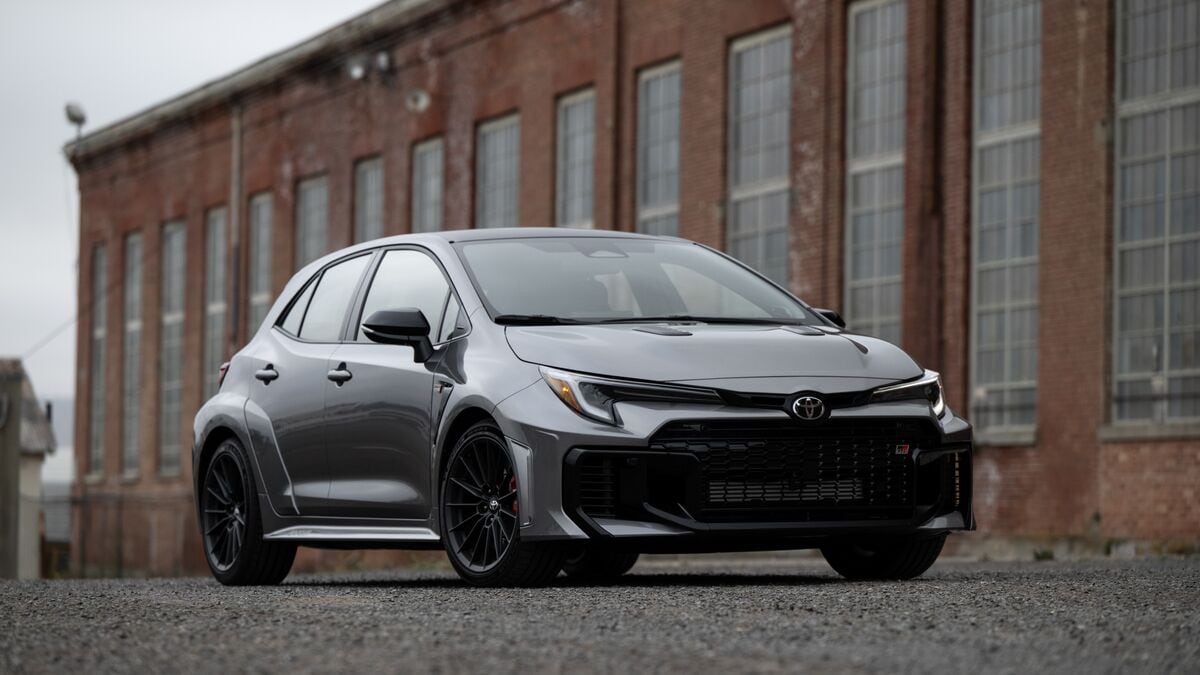
It’s tempting to look at today’s showroom and identify the cars collectors will pursue 30 years from now, but Long isn’t convinced there is a formula. “Beauty is in the eye of the beholder,” he said.
Automakers can borrow styling cues from the past, create limited-production models, or connect new vehicles to famous predecessors. Still, future desirability depends partly on people who may not even be customers yet.
Long sees that happening at Luftgekühlt. Some younger participants arrive with inexpensive older Porsche sports cars they restored themselves, sometimes with help from relatives or online videos. They drive across state lines to put their finished cars in front of an audience filled with far more exotic machinery.
Those cars are among Long’s favorites. “There’s so much heart and soul, and you see it on their face when they bring the car,” he said.
Tomorrow’s classics won’t necessarily be today’s most expensive cars; they may simply be the ones people remember, want to experience, and eventually decide are worth saving.
EXPLORE: Quintessential Cars of Each Decade 1920s to Present
The Cars We Don’t Want to Let Go
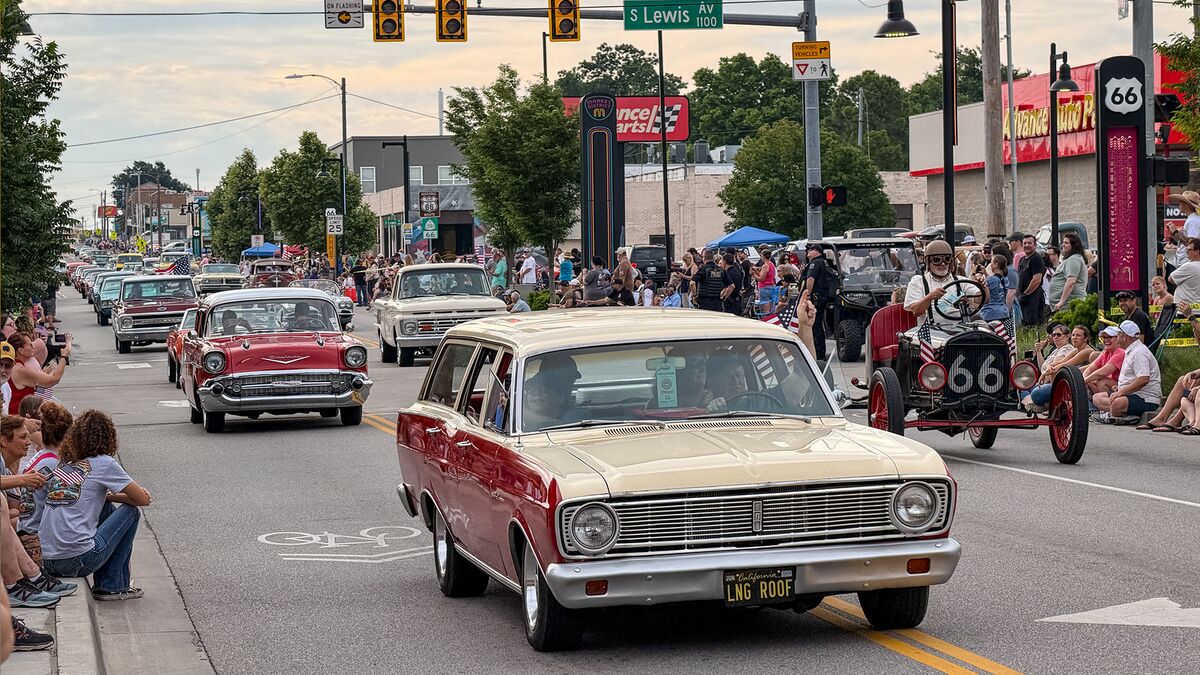
Toward the end of our conversation, I asked Long to take Porsche out of the equation. What lessons could someone shopping for an ordinary new car today take from these decades-old automobiles?
His answer wasn’t about horsepower, investment potential, or exclusivity. He talked about efficiency, practicality, reliability, and the way a product makes its owner feel. “You can have the best toy in the world, but if that toy breaks after five uses, it becomes something frustrating,” Long said.
Then he compared a good car with the ordinary possessions people hang onto: a favorite tool, jacket, or pair of shoes that works so well that replacing it seems unnecessary. “The more you use them, the more you enjoy them,” he said.
As Kelley Blue Book marks its 100th anniversary, perhaps that is as good a definition of a classic as any: It’s something good enough that people don’t want to let it go.