

Whether you already own an electric car or you’re thinking about buying one, battery health is worth understanding. Every electric vehicle (EV) battery gradually loses capacity as it ages, but your charging habits, the climate you live in, and how you drive can all affect how quickly that happens. A healthy battery also helps your EV hold its value.
At a Glance
EV Battery Health: What to Expect

- Expected lifespan 8–15 years
- Typical warranty 8 yrs / 100K mi Whichever comes first. Some automakers cover batteries for 10 years, and others for 150,000 miles or more.
- Out-of-warranty replacement $3.5K–$20K+ Cost depends on the vehicle, battery size, labor rates, and whether the whole pack needs replacing. Large truck and SUV packs can cost more.
PRO TIP: Before paying for a full replacement, have the battery diagnosed. A single faulty module doesn’t always mean the entire pack has to go.
Sources: U.S. Department of Energy (fueleconomy.gov); automaker warranty terms; industry repair-cost estimates. Warranty coverage varies by manufacturer and model.
How Long Do Electric Car Batteries Last?
The U.S. Department of Energy says today’s electric vehicle batteries may last 12 to 15 years in moderate climates and 8 to 12 years in extreme climates. In many cases, the original battery may outlast the rest of the car.
Real-world driving may be even easier on batteries than those estimates suggest. Researchers at Stanford University and the SLAC National Accelerator Laboratory found that batteries tested under patterns resembling everyday driving lasted up to 38% longer than standard laboratory tests predicted.
Why the gap? Industry-standard lab tests drain and recharge batteries at a steady pace, which isn’t how most people actually drive. Normal driving conditions include a mix of highway stretches, stop-and-go traffic, shorter trips, and regenerative braking, and most EVs spend much of their time parked. That variety appears to put less strain on the battery.
EV Battery Warranties: What Can You Expect?
Most EV batteries are warranty-protected for eight years or 100,000 miles, whichever comes first. Some EV batteries are covered for 10 years, and others are covered up to 150,000 miles. For example, Tesla provides limited battery warranty coverage on all models for 8 years and at least 100,000 miles (more, depending on model), as well as a guarantee of a minimum of 70% battery capacity retention during the warranty period. California electric cars starting with model year 2030 must maintain 80% of their range for 10 years or 150,000 miles.
PRO TIP: If buying a used Tesla, note that the warranty is transferable to the new owner only if purchased directly from Tesla. Check to ensure that the EV battery warranty is fully transferable.
How Much Do EV Batteries Cost?
Replacing an EV battery after the warranty expires can be one of the most expensive repairs you’ll face as an EV owner. The price depends on the vehicle, the battery size, local labor rates, and whether you need a few components or an entirely new battery pack.
Before paying for a complete replacement, have the battery diagnosed. A problem with a single module or another component doesn’t necessarily mean the whole pack has to go.
Pro Tips for Keeping Your EV Battery Health in Top Condition
Check your vehicle manual to learn how to keep the EV battery in optimal condition to prolong its lifespan. Use these quick tips to help keep your EV battery operating in prime condition.
1. Use Optimal Charging Practices
Your charging habits do matter. For many EVs, keeping the battery between 20% and 80% charge helps support battery longevity, but follow your automaker’s recommendation, since some batteries are designed to be charged differently. For example, some EVs with lithium iron phosphate (LFP) batteries, including certain Tesla models, are designed to be charged to 100% regularly, so check your owner’s manual. Setting up the charging limits in the car’s control panel takes a few minutes, but it’s worth it to help keep the battery in good shape.
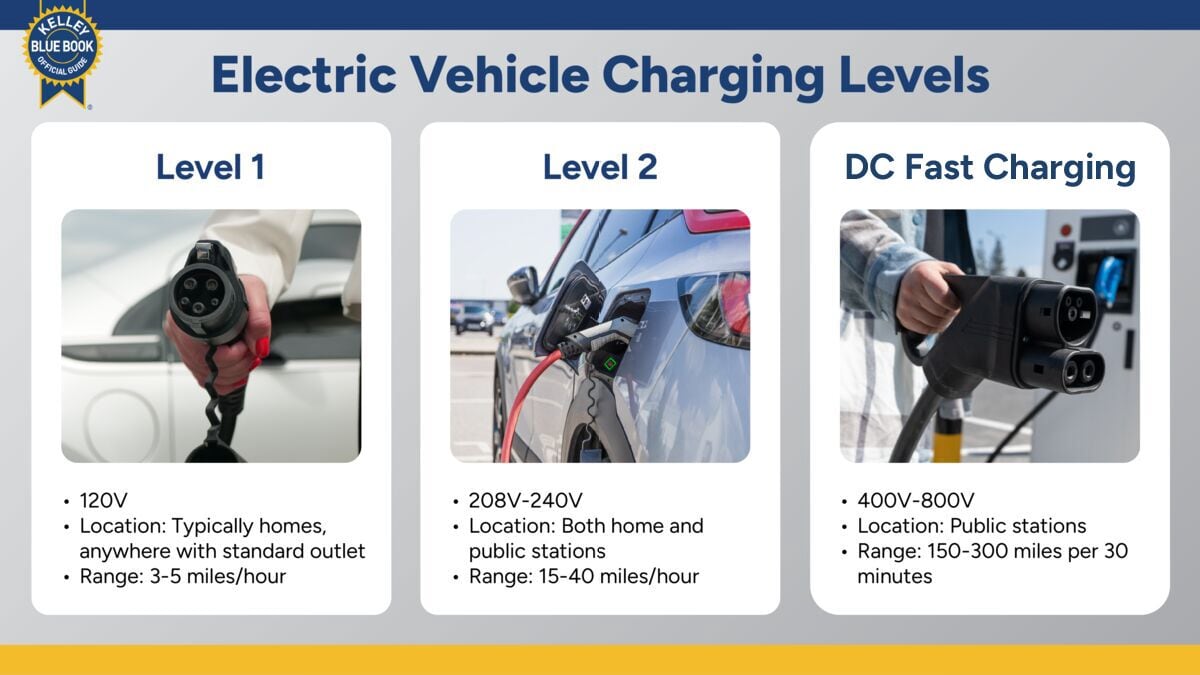
Additionally, regular DC fast charging can accelerate battery degradation. Kia, makers of the fully electric EV6 and EV9, cautions that constant use of DC fast charging can reduce battery performance and durability, and recommends slower, Level 2 charging, the type that most EV owners use in their homes, for everyday needs.
RELATED: How Long Does It Take to Charge an Electric Car?
2. Maintain Battery Temperature
Temperatures affect battery performance, range, and longevity. However, if you live in a home without a garage or are on a road trip, you may have no choice but to park outside. Use the strategies below to maintain ideal battery temperature and conditions.
- In many EVs, the driver may get a low-temperature alert on the vehicle display when the outside temperature drops. Carmakers typically suggest turning on the battery heater for 30 minutes to an hour before DC fast charging during a road trip in that kind of weather.
- Manufacturers suggest not parking your vehicle in extreme heat or cold for long periods. For example, in the Nissan Ariya manual, the carmaker advises owners not to store their vehicles at temperatures below -13 degrees Fahrenheit for more than 7 days.
- Carmakers also suggest owners plug in their vehicles if they are away for an extended period. Tesla and other EVs let you control charging times remotely.
PRO TIP: After you download the app for your car, you can control the cabin temperature remotely. We suggest doing this because when the vehicle is optimally warm or cool in summer or winter, the ambient temperature helps reduce the load on the EV battery while driving and can increase the vehicle’s driving range.
3. Keep Up with Software Updates
Electric cars don’t need oil changes. They do need software updates, including for the battery management system, to keep the vehicle working properly. Many manufacturers send these updates over the air (OTA), while others may require a dealer visit. Updates may even help with a recall.
4. Set Up Regular Maintenance Checks
A heavy payload can reduce a gas-powered car’s fuel economy. Similarly, too much cargo can cut into your electric vehicle (EV)’s driving range. Check the trunk or cargo area to ensure you’re not lugging around unnecessary gear for your journey. If you’re not going surfing, leave the surfboard at home. Keep up with the maintenance suggested in your manual, including any battery inspections your automaker recommends at regular intervals.
Use these tips to find out what drains your electric car’s battery.
5. Monitor Battery Health
Electric car batteries degrade over time, reducing charging capacity. Since many EV battery warranties include replacement if the capacity drops below a certain level during the coverage period, the odds of an EV battery simply failing are extremely low. Watch for any warning signs indicating the need for a battery check.
6. Avoid Repeated Acceleration
Quick acceleration or repeatedly using the “Boost” button in some EVs, like the Genesis Electrified GV70, can be tempting. However, repeated hard acceleration uses more energy and can noticeably reduce your driving range. As a result, we advise EV drivers to use gentle acceleration and, in those Genesis EVs, to use the button sparingly.
EV batteries are built to last for years, and many may stay useful for the life of the vehicle. Follow your automaker’s charging recommendations, limit exposure to extreme temperatures, save DC fast charging for when you need it, keep your software updated, and pay attention to any unexpected changes in range or charging performance. Do that, and you won’t need to worry much about battery health.
LEARN: For more resources about caring for your EV, visit our Powertrains Information Center.
Editor’s note: This article has been updated since its original publication. Renee Valdes contributed to this report.
Read Related Articles:
- How Much Does It Cost To Charge an Electric Car?
- How To Jump-Start an Electric Car Battery
- How to Take an Electric Car Road Trip in Winter
- Electric Car Charging Safety Tips