
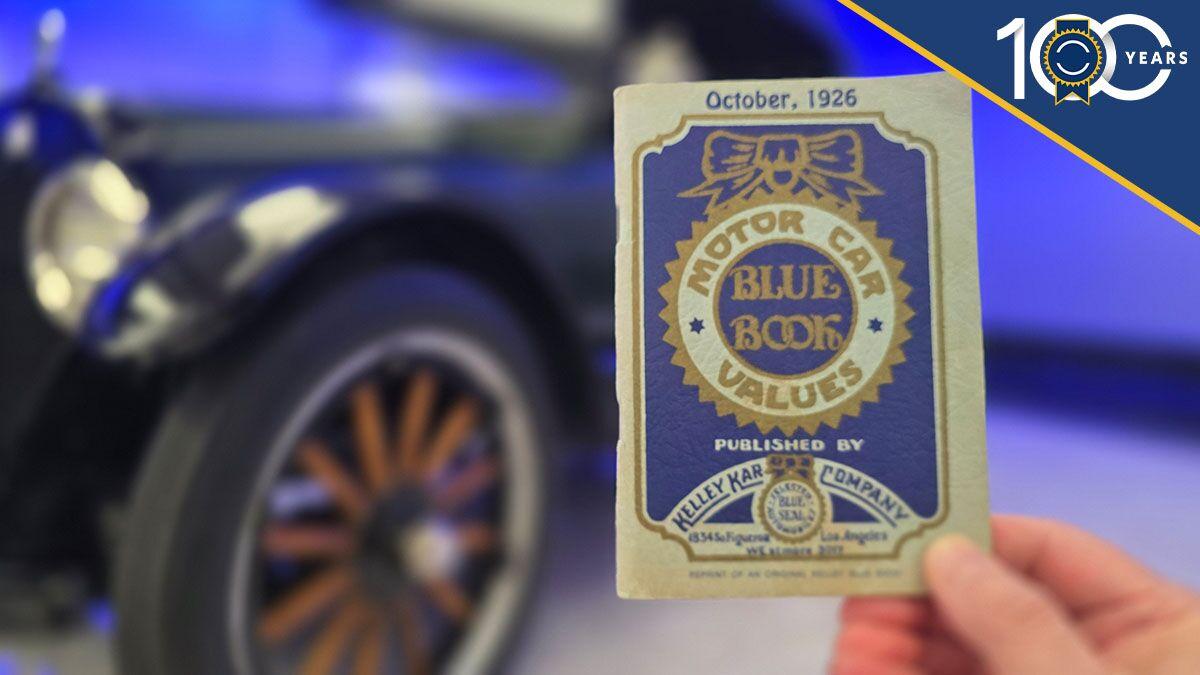
In 1926, a modest-looking pricing manual carried a surprisingly big promise — confidence. The first Kelley Blue Book didn’t just list numbers. It offered something the young used-car marketplace desperately needed: a common reference point people could trust. In a business that often ran on gut feelings and hard bargaining, the compact guide was a quiet breakthrough that brought a shared language for value.
That’s the celebratory heart of the Kelley Blue Book origin story. It wasn’t a glossy brand launch or a marketing stunt a century ago. This was a practical tool that earned authority. The pocket-sized booklet called “Blue Book of Motor Car Values” compiled used car prices on a scale that signaled seriousness and ambition. Even the name carried an intentional air of reliability. Later accounts say Les Kelley borrowed the “Blue Book” idea from the Social Register, a directory associated with status and credibility, to signal that this guide is definitive.
The “Trusted Resource” Arrives Fully Formed
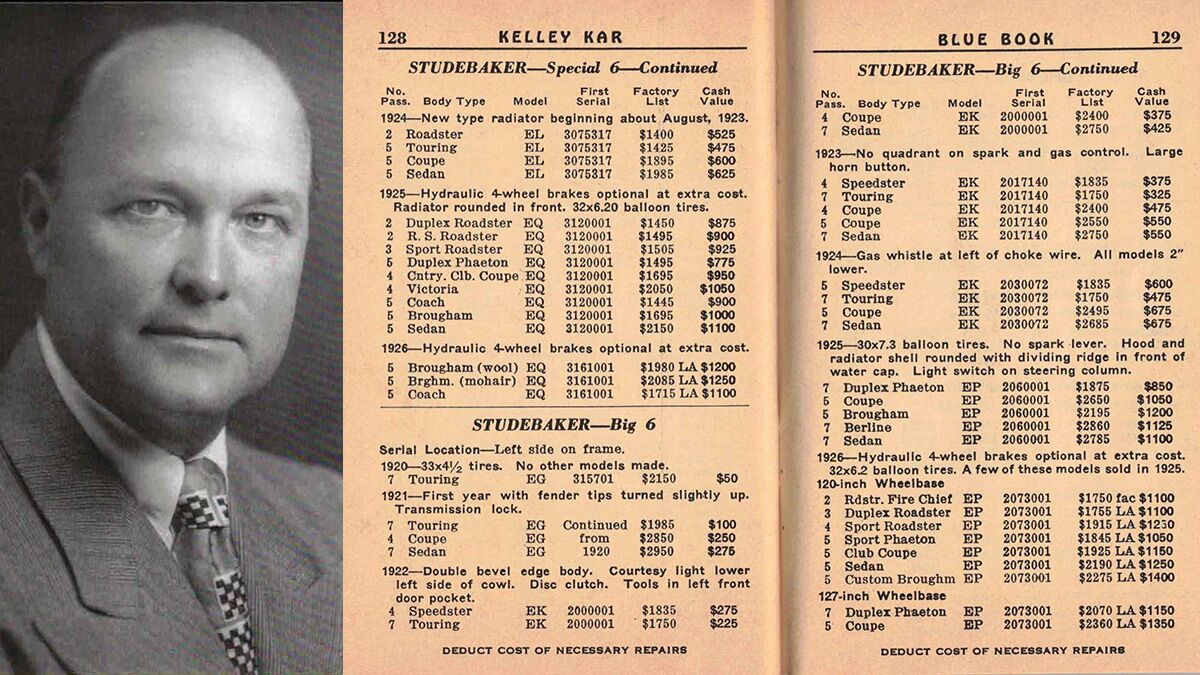
From the vantage point of 1926, it’s easy to see why the book felt inevitable and why the industry would gravitate toward a trusted benchmark. However, the real magic is that it wasn’t inevitable. The guide didn’t create trust from thin air. It crystallized a reputation that had already been building.
By the time the first manual hit the presses, the idea behind it had already been tested under real-world pressure. People weren’t embracing the Blue Book because it was new — they were embracing it because it was useful. The book was the public, durable version of something that had already proven it could steady the messy business of used-car appraisal and pricing.
Before the Book, There Was a List
Step back a few years, and the “book” wasn’t a book at all. It was a dealer’s list — simple, direct, and ruthlessly practical.
In the early 1920s, Los Angeles used-car dealer Les Kelley began circulating a printed list of the vehicles he wanted to buy and the prices he was willing to pay for them. The purpose at first was a straightforward way to make offers, build inventory, and keep a fast-growing operation running smoothly. But the moment that list moved beyond his own lot, it began to grow into something bigger. Dealers and bankers paid attention because the numbers weren’t theoretical — they reflected actual market conditions.
When a Buy List Becomes the Reference
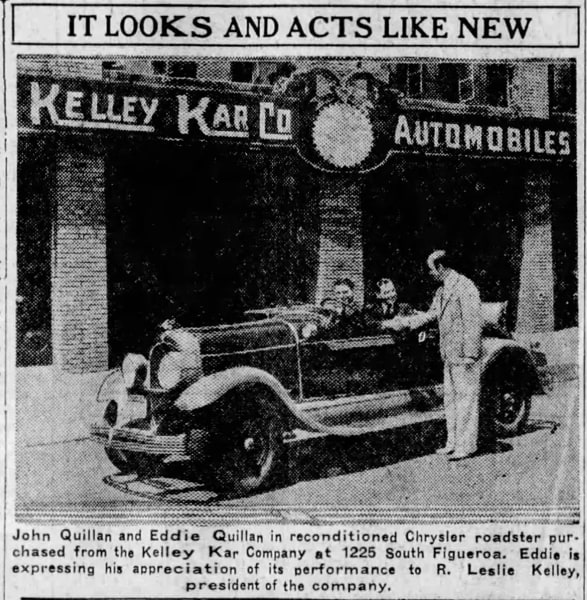
That’s when the “Kelley list” stopped being a back-office tool and started functioning like an early benchmark. A printed reference changes behavior. It speeds up negotiations. It reduces disputes. It gives lenders a firmer foundation. It helps buyers and sellers feel like the transaction is anchored to something more solid than persuasion and luck.
By the time the 1926 guide arrived, it wasn’t introducing a brand-new concept. It was formalizing an idea that had already blossomed — an idea people were already using because it worked. One later summary of the company’s origins puts it plainly: The buy list evolved into the pricing guide by 1926.
A Family Operation With a Scalable Idea
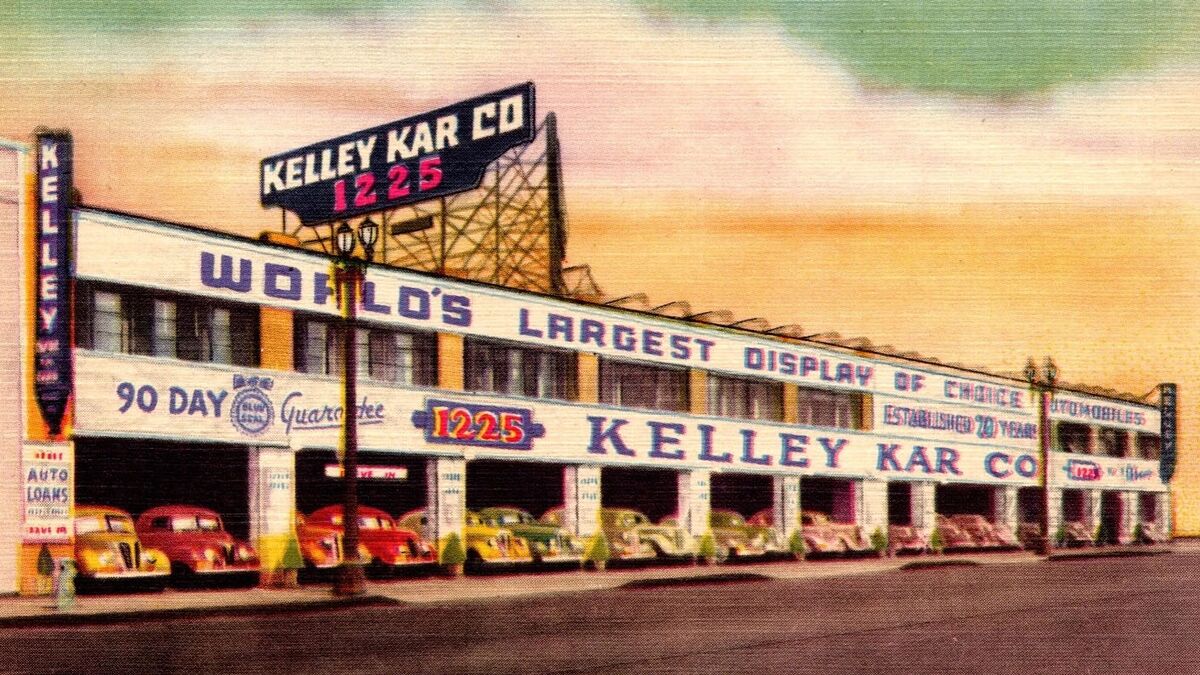
Even the family story underscores how grounded the project was. Les’s younger brother, Sidney “Buster” Kelley, who started at the Kelley Kar Company as a lot boy, eventually rose into leadership and later became the publisher of the Blue Book — keeping the guide closely tied to the day-to-day appraisal instincts and market realities that made it valuable in the first place.
The Kelley Blue Book wasn’t created and maintained in a vacuum. It grew out of constant exposure to real deals, real trade-ins, and real pricing friction. That hands-on experience is what gave the guide its credibility. It wasn’t trying to impress anyone. It was trying to help people make decisions about their automobile transactions.
Patterns Emerge in Los Angeles, 1918
Before the list, before the guide, before “Blue Book” meant anything at all, there was simply a young businessman in a rapidly motorizing America trying to build a used-car operation in Los Angeles. Les Kelley opened the Kelley Kar Company in 1918 with only a handful of Model T Ford vehicles. It was an unglamorous start that makes the later influence of Kelley Blue Book feel even more remarkable.
Those early years mattered because they created the one thing that can’t be faked: pattern recognition born from repetition. Buying and selling, again and again, teaches you what “value” really means — not in theory, but in practice.
Born in Print, Proven in Practice
So when the 1926 manual arrived, it wasn’t just a publication milestone. It was the moment a dealer’s hard-won pricing insight became something that could be shared, referenced, and relied upon.
That’s worth celebrating. A small lot to a big standard. A buy list that solved a local problem became a book that helped an industry speak more clearly about worth. And in that transformation — list to guide, hunch to benchmark — Kelley Blue Book was born.
Read more about our celebration of 100 years of automotive excellence.