

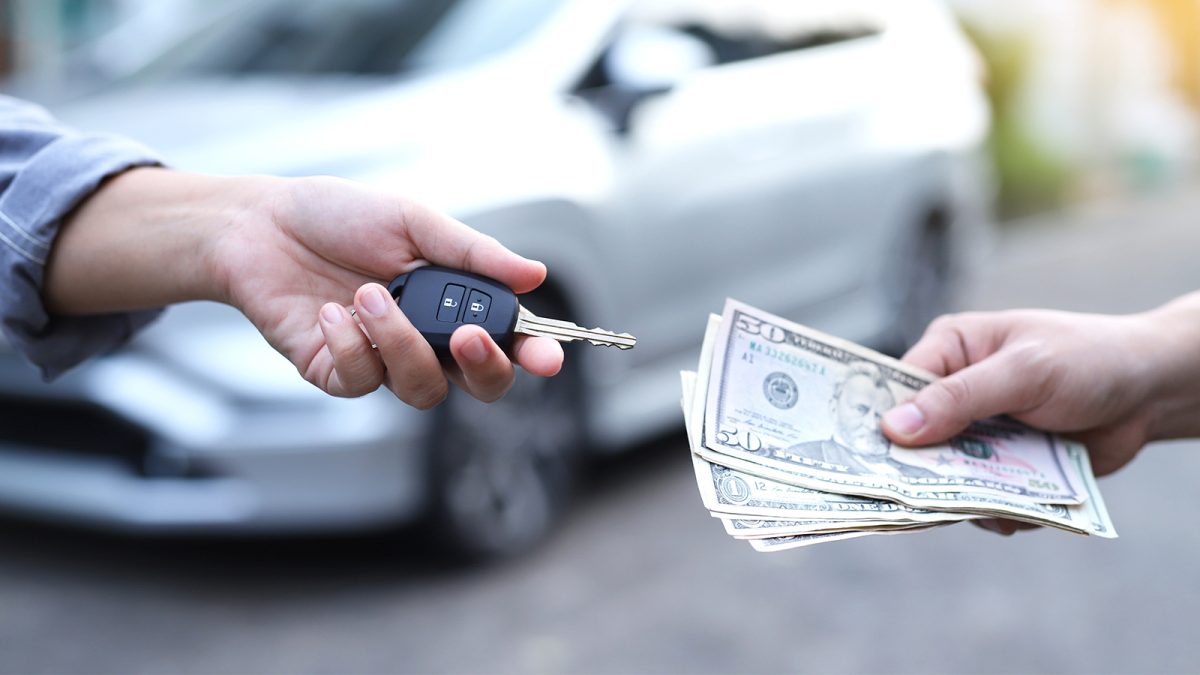
Quick Tips on Getting Paid When Selling a Car
- Completing payment at a bank is one of the safest ways to handle a private car sale.
- Wire transfers are a practical option for large transactions, while cash works for smaller sales.
- Never hand over your keys or title until you’ve verified payment.
Selling a car privately can put more money in your pocket, but getting paid safely is just as important as agreeing on a price. The safest approach is to meet at a bank, verify the payment, and complete the paperwork before handing over the vehicle. Here’s how common payment methods compare and what to watch out for.
What’s the Safest Way to Accept Payment for a Car?
The best method depends on the amount involved and whether you know the buyer.
| Payment Method | Best For | What to Watch For |
| Cash | Smaller transactions | Counterfeit bills, personal safety |
| Bank transfer | Larger transactions | Processing times, fees, payment verification |
| Cashier’s check | In-person bank transactions | Counterfeit checks |
| Certified check | In-person bank transactions | Counterfeit checks |
| Escrow service | Long-distance or high-value sales | Fees, fake escrow providers |
| Digital payment | Smaller payments between trusted parties | Transfer limits, scams, limited purchase protection |
Cash
Using cash to buy a car is straightforward: You receive the money immediately, without waiting for a transfer or check to process.
The risk: Carrying large amounts of cash can be unsafe, and counterfeit bills are a concern.
Best practice: Meet at a bank where the cash can be counted, verified, and deposited before you release the vehicle.
Bank Transfer
A bank transfer provides a record of payment without requiring either party to carry cash.
- Wire transfers: Often completed the same business day and useful for larger purchases.
- ACH transfers: May take longer and can be subject to returns or reversals.
Best practice: Ask your bank about transfer procedures beforehand. Confirm the payment directly with your bank before handing over the car.
MORE: How to Sell a Car Without a Title
Cashier’s Check or Certified Check
Both are bank-backed payment methods, but neither is immune to counterfeiting.
A cashier’s check is issued by a bank using its own funds. A certified check is drawn on a customer’s account and certified by the bank.
The risk: Your bank may make deposited money available before discovering that a check is counterfeit.
Best practice: Accompany the buyer to the issuing bank and verify the check before accepting payment. If depositing a check, consult your bank about final payment before releasing the vehicle.
Escrow Service
An escrow service holds the buyer’s money until the agreed-upon conditions of the sale are met.
This can be useful for expensive vehicles or transactions involving buyers in different locations.
The risk: Escrow services charge fees, and scammers sometimes create fake escrow websites.
Best practice: Research the provider independently and understand its payment procedures before agreeing to use it.
MORE: How to Sell a Car Online
Digital Payment Services
Services such as PayPal, Venmo, and Zelle make transferring money convenient, but they’re not always suitable for vehicle purchases.
Transfer limits, fees, and limited purchase protection can make these services risky for high-dollar transactions between strangers.
Best practice: Check the provider’s transaction limits and policies. Don’t rely on a screenshot as proof of payment, and understand whether the transfer can be reversed.
How to Avoid Payment Scams When Selling a Car
Regardless of how you’re paid, follow these precautions:
- Meet somewhere safe. A bank is ideal for exchanging and verifying payment.
- Verify the money. Contact your bank or payment provider directly. Don’t trust screenshots or emails from the buyer.
- Watch for overpayment scams. Never refund excess money or pay a shipping company on the buyer’s behalf.
- Don’t rush. Be wary of anyone pressuring you to release the car before payment is confirmed.
- Get it in writing. Complete a bill of sale and follow your state’s title-transfer requirements.
The bottom line: Choose a payment method you can verify, complete the transaction in a safe location, and don’t release the vehicle until you’ve confirmed payment.
RELATED: 7 Ways to Protect Yourself When Selling a Car Privately
Editor’s Note: We have updated this article since its initial publication.