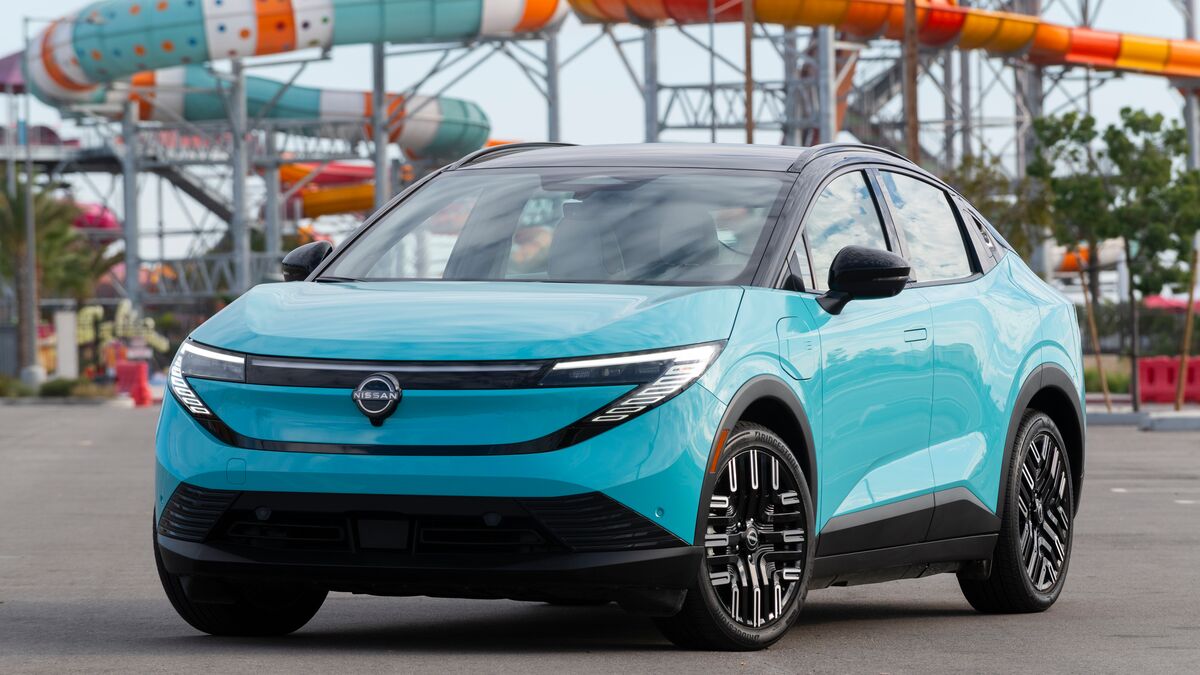

- The Nissan Leaf has evolved into a small all-electric SUV for 2026, maintaining its reputation for value, ease of use, and everyday practicality.
- The Leaf is priced between $31,485 and $40,485 | Price it your way
- Rivals to the Leaf include the Hyundai Kona Electric and Kia Niro EV | See Leaf models for sale near you.
The new 2026 Nissan Leaf marks a major evolution for one of the world’s best-known electric vehicles. This all-new design transitions from a compact hatchback into a modern small electric SUV with up to 303 miles of range. As one of the most affordable electric SUVs on the market, the Leaf offers a compelling mix of value, efficiency, and everyday practicality, with pricing ranging from $31,485 to $40,485 depending on trim.
Inside, the 2026 Leaf gains a more premium look and feel, highlighted by expanded cabin space, dual widescreen displays, and upgraded materials. With its fastback design, advanced technology, and improved comfort, the Leaf is a strong alternative to other electric SUVs, like the Hyundai Kona Electric and Kia Niro EV. Here’s a look inside the new 2026 Nissan Leaf.
Leaf Passenger Room and Comfort
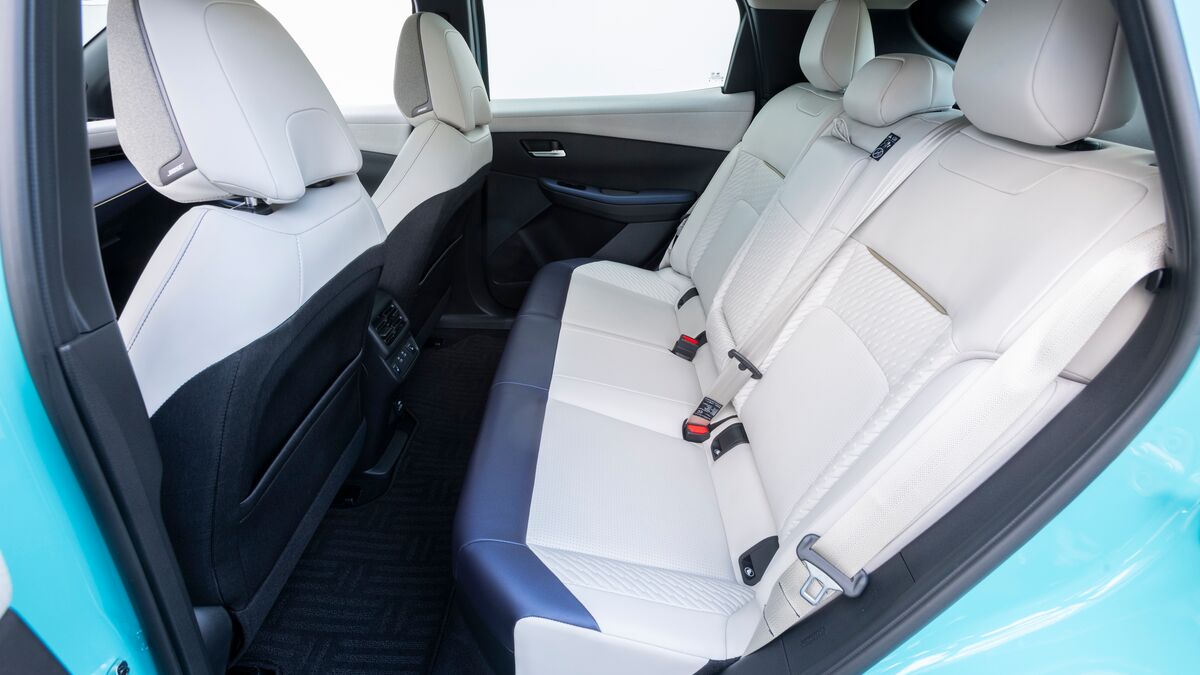
Nissan worked with NASA to design their Zero Gravity seats. They utilize 14 pressure points to support the spine’s natural alignment, thus reducing muscle strain and fatigue on longer drives. The front row offers 42.4 inches of legroom and 39.9 inches of headroom, accommodating up to five passengers. Second‑row legroom measures 31.8 inches — below average for small SUVs and tight for larger adults, but suitable for children.
Heated front seats are standard on the SV+, while the Platinum+ adds heated front and rear seats and a heated steering wheel. Every Leaf comes with power seats for convenient adjustability. The driver’s position remains upright, with good outward visibility, similar to that of a raised sedan.
Leaf Cargo Room and Flexibility
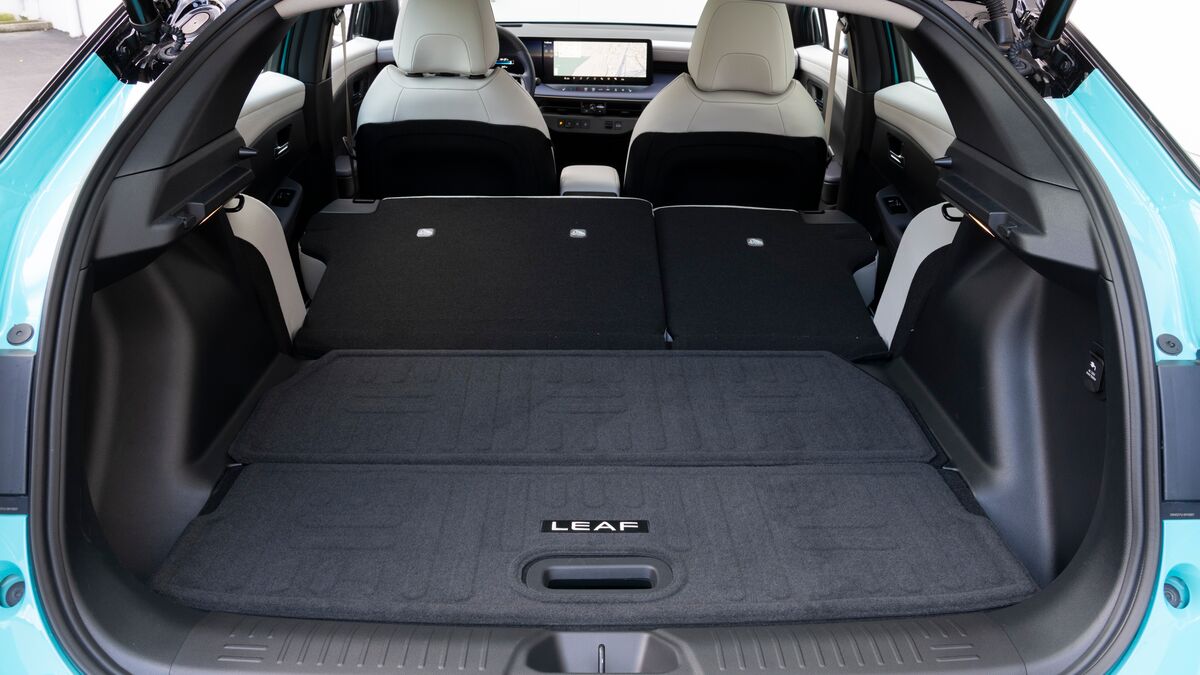
The Leaf’s rear hatch creates a roomy cargo area that’s easy to load. It provides 20 cubic feet behind the rear seats and 55.5 cubic feet with the rear seats folded. While some small SUVs offer more space, the Leaf’s layout remains practical for daily hauling. There’s no front trunk; that’s where Nissan put the HVAC components. The low lift‑over height adds convenience, though you won’t find power‑folding seat levers or an under-floor “basement” as elaborate as some rivals.
Leaf Features and Tech
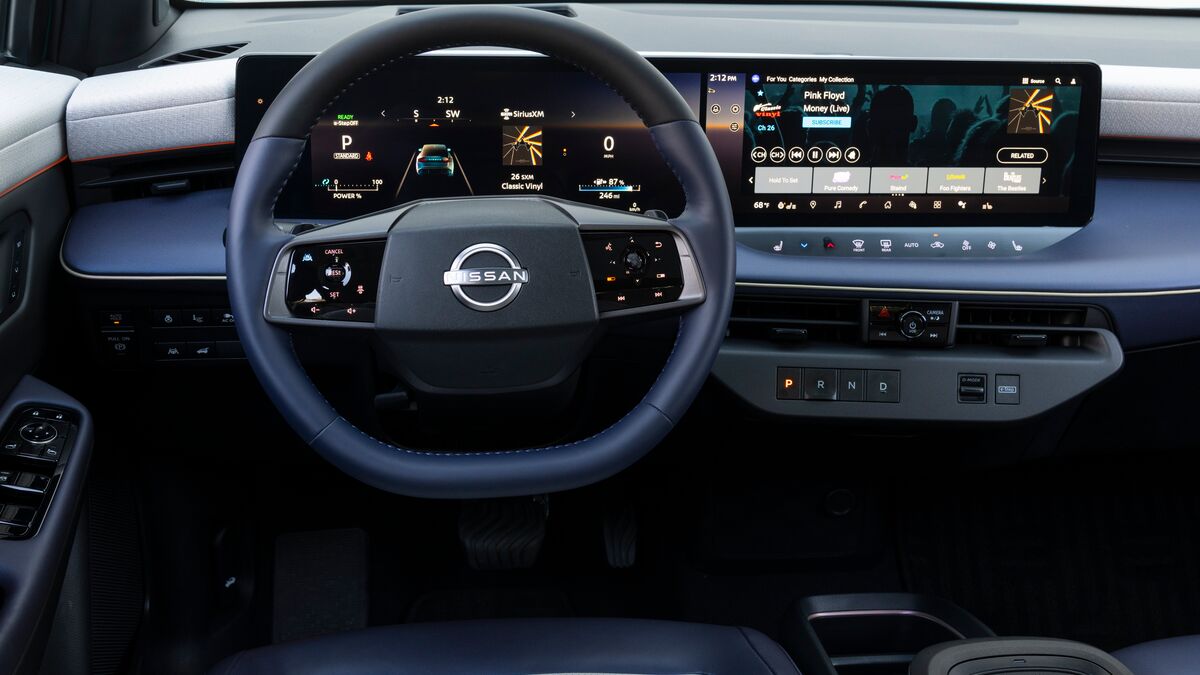
The NissanConnect infotainment system features a 12.3-inch touchscreen in S models and a 14.3-inch touchscreen in upper trims. Both pair with a digital gauge cluster of equal size, creating a sweeping panorama of tech. Wireless Android Auto and Apple CarPlay are standard, while the larger screen adds Google Assistant and Maps. Despite all the tech, the Leaf retains physical climate controls that are easy to use — plus an available heat pump for efficient cabin warming on SV+ and up.
Nissan’s Google‑built software is quick and intuitive, providing EV‑aware route planning through Google Maps that can factor charging needs into your trip. The system also supports Google Assistant for natural voice control and allows drivers to download additional apps through Google Play.
Leaf Materials and Design
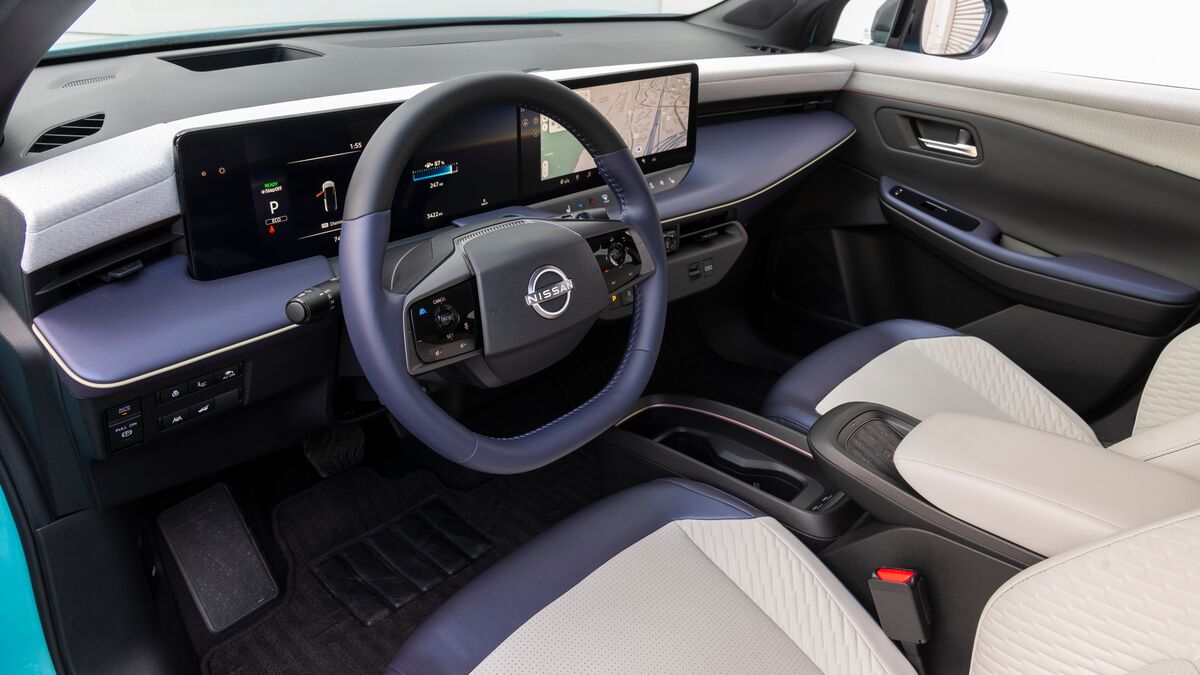
The 2026 Leaf adopts a cleaner, more premium interior design with a modernized dashboard, streamlined center console, and three color options. Mounting the shift controls on the dashboard helps open the cabin up. The revised layout gives the front seating area an airy, upscale appearance, similar to that of Nissan’s newer crossovers.
The SV+ and Platinum+ trims upgrade the cabin with TailorFit synthetic leather upholstery, enhancing durability and giving the seats a more refined appearance. Ambient interior lighting is available on select trims, complementing the Leaf’s modern, tech‑forward interior.
Build and price your version of the Nissan Leaf to see this week’s Fair Purchase Price. Browse Leaf models for sale near you.