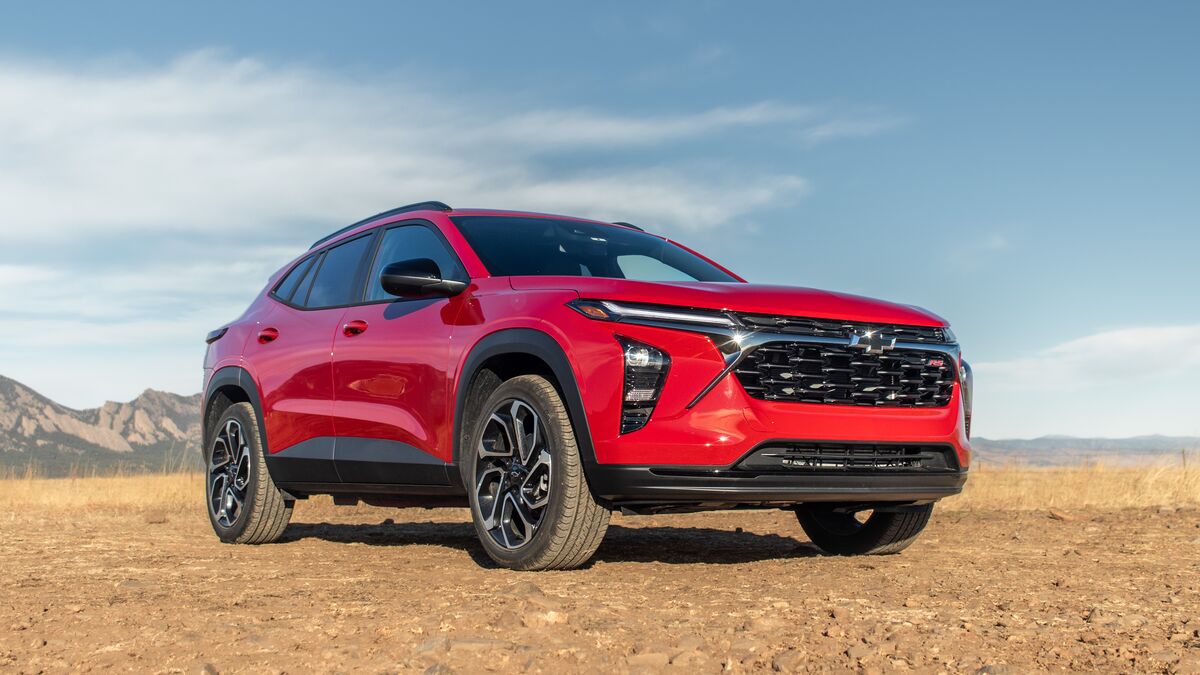

The 2026 Chevy Trax is the kind of SUV that makes you do the mental math in real time. You quickly notice the compromises, the noise, the materials, the quirky tech, and then you remember the price. Suddenly, some of those complaints feel less like dealbreakers and more like the cost of admission. It’s a budget hero, with a few budget habits.
Which Trim Level
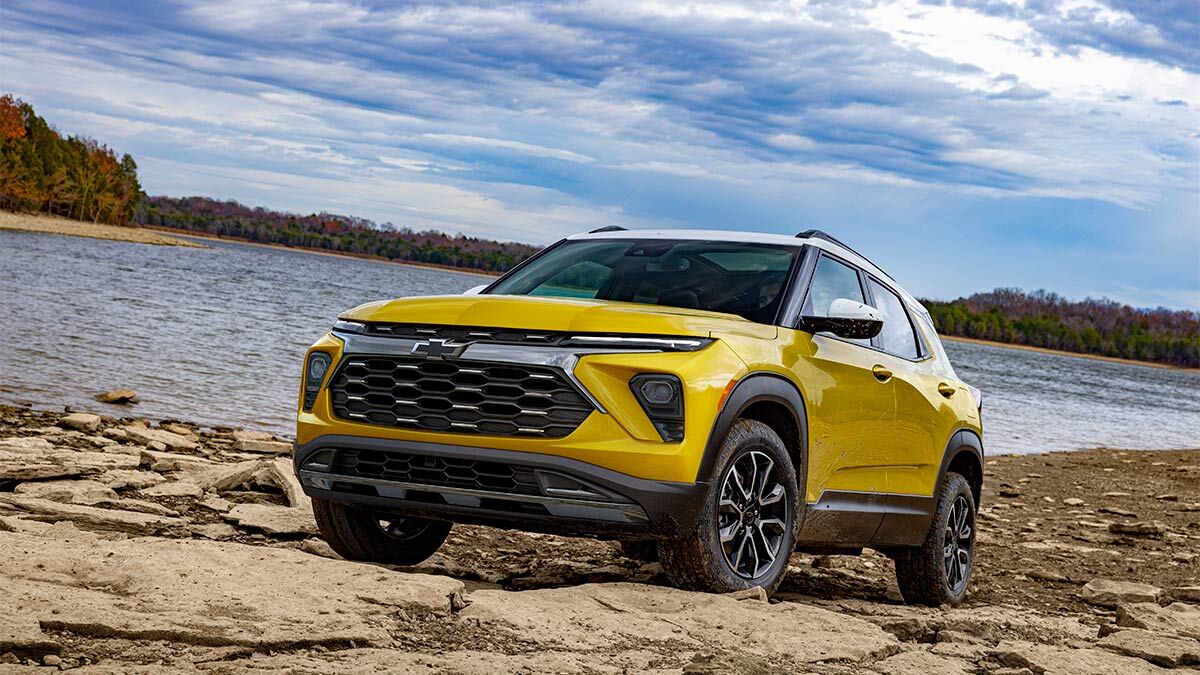
My tester was the Trax ACTIV, which sits near the top of the lineup and features a more rugged-looking exterior. “ACTIV” is also mildly funny here, because in the U.S., it’s front-wheel drive (FWD) only, with no all-wheel drive (AWD) on the menu. I enjoyed describing it as “actively choosing the paved road.”
This trim also means you’re not playing the wheel-size roulette game. The Trax ACTIV rides on 18-inch wheels, period. The Trax is also pleasantly lightweight for the segment (around 3,000 pounds), and that low mass shows up throughout the driving experience, which is a unique benefit of the lower end in the SUV world. Fewer options, lighter weight, dare I say “less is more.”
New 2026 Chevrolet Trax Prices
|
Retail Price
|
Fair Purchase Price (92620)
|
|||
|---|---|---|---|---|
$27,195 |
$25,300 |
Favorite Feature of the Trax
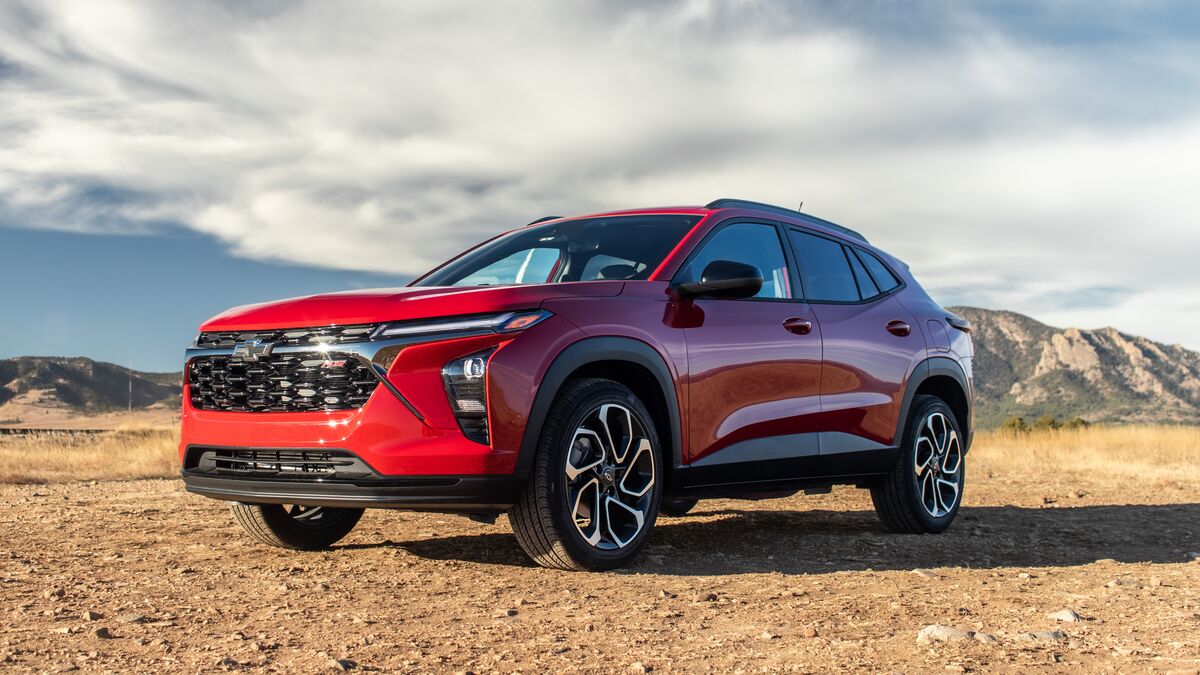
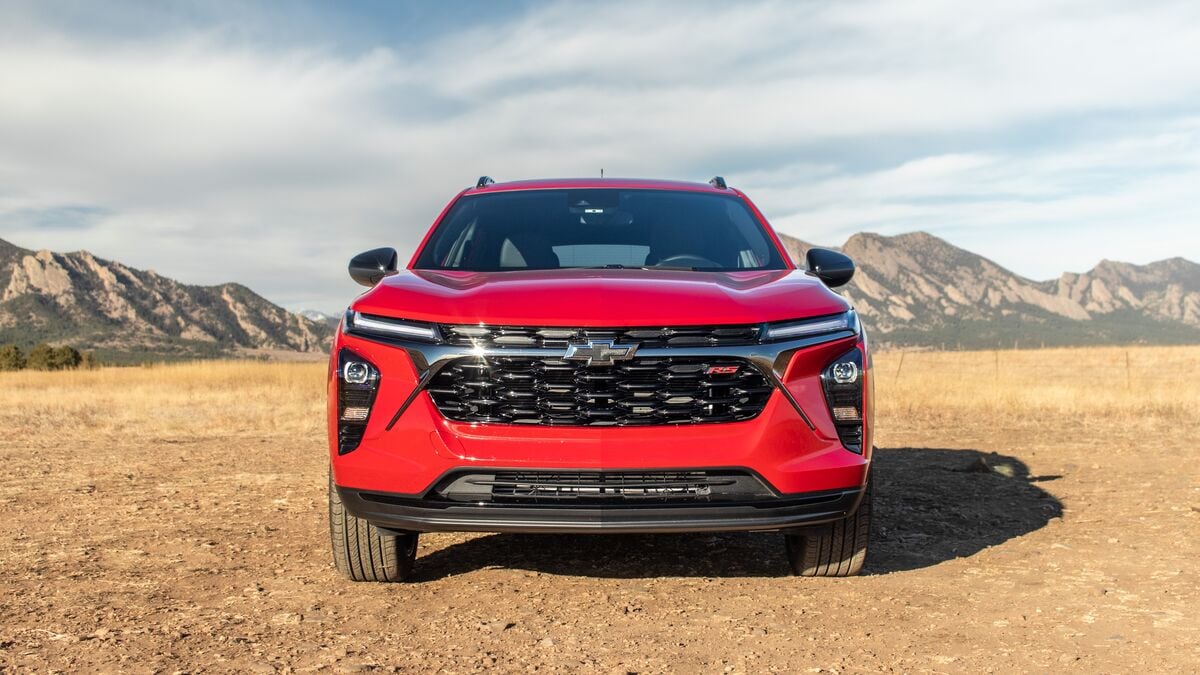
My favorite feature of the Trax is the looks, which makes it stand out among other subcompact SUVs like the Nissan Kicks and Hyundai Venue. For the caliber of car, especially at its starting price, the Trax is strikingly good-looking. I got a surprising number of compliments, and the red paint in particular drew attention, as if it had borrowed it from a more expensive GM product for the weekend.
There are also a couple of small “touch it every day” wins that deserve credit. The window switches feel shockingly premium, and the steering wheel has decent materials and satisfyingly clicky buttons. The Trax will remind you of the price point in plenty of places. These aren’t those places.
What It’s Like To Drive
Ride quality is the pleasant surprise. It’s not plush, but it’s controlled enough to feel grown up for the money.
Handling is better than it needs to be. The Trax feels planted in corners, and the lighter curb weight helps it change direction without drama. There’s even a bit of steering feel, not enough to call it sporty, but enough to consider it a silver lining. It’s a welcome side effect of lightweight, minimalist engineering.
Power is where the “value with caveats” part really lives. Around town, the turbocharged 1.2-liter inline 3-cylinder and 6-speed automatic transmission are fine. But with highway passing and hills, especially at my mile-high altitude, the 137-horsepower engine starts to sound strained. Oddly enough, the exhaust note is better than expected for the size of the engine. Not good-good. Just, “Huh, OK,” good.
The brakes are another bright spot. Stopping power is strong. The downside is the low-speed pedal calibration, which can be annoying to live with day to day. It’s the kind of touchy response that makes parking-lot stops feel like you’re re-learning your timing. Muscle memory helps. Eventually.
Interior Comfort and Technology
Inside, the Trax is a mixed bag in a predictable way. There are many touchpoints and buttons that remind you what you paid, and the materials aren’t trying to hide the budget mission. The optional moonroof helps a lot here, adding more light and making the cabin feel less cave-like.
The big miss is in the infotainment performance. The software is slow and laggy, which is disappointing in a new car, and the UI/UX still feels held back by GM’s layout logic. Basic things can be harder to find than they should be (audio equalizer being a good example), and that friction adds up.
There are no Google connected services here, so you’ll mostly live in Apple CarPlay or Android Auto. That’s fine, but it also means the underlying system needs to be quicker than it is, because you’ll still be interacting with it more than you want. Fortunately, it’s wireless throughout the lineup.
Audio is serviceable. It’s fine. It can sound a bit subpar depending on what you’re listening to, but again, this is where the Trax quietly taps the price tag and asks you to be reasonable.
Limitations
The trade-off for the lightweight, nimble character is relatively poor noise, vibration, and harshness (NVH). There’s a good amount of it, and it’s mostly wind noise and a general lack of sound deadening. On loud pavement, it gets noticeably boomy, and rear passengers pick up the worst of it from the wheel-well area.
The sluggish infotainment is the most frustrating aspect of ownership. And even at the top of this lineup, features remain absent, including auto-dimming mirrors, multi-zone climate, ventilated seats, power seats for the passenger, and a power liftgate. GM’s halo driver assistance system, Super Cruise, makes no appearance in the options list.
Key Considerations
The Trax ACTIV is easy to recommend if you walk into it with the right expectations: it’s a genuinely good-looking, surprisingly well-riding small crossover that delivers a lot of “new car” for not a lot of money. With the moonroof and the heated seats and heated steering wheel, the ACTIV adds important premium touches, which matter when “cheap” is also supposed to mean “daily livable.”
But the caveats are real. The software experience is behind the times, the cabin is anything but isolated, and the powertrain is adequate at best. Still, the Trax exists in a world with few remaining sub-$25,000 vehicles.