
- The Federal Reserve raised its benchmark interest rate by a quarter point yesterday, raising borrowing costs to try to cool inflation.
The U.S. Federal Reserve raised its benchmark interest rate by a quarter point yesterday — a move meant to cool inflation by increasing borrowing costs, which could help rein in spending.
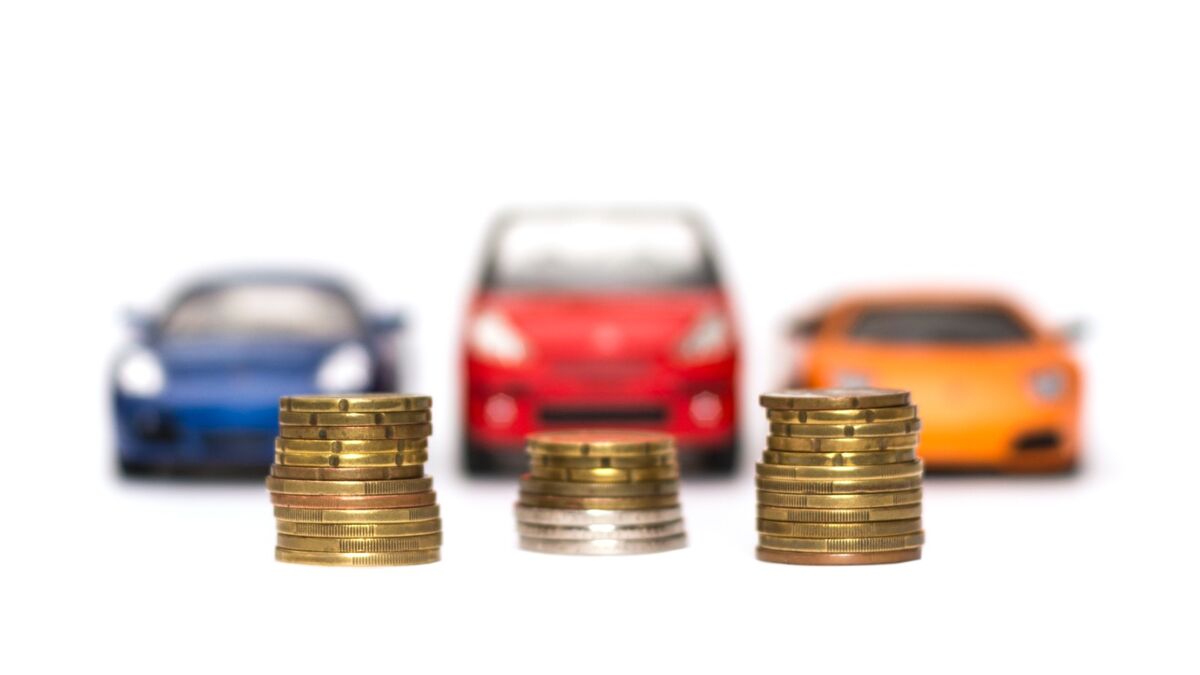
The move will increase the cost of borrowing to buy a new car amid the most permissive credit market in more than a decade.
Related: It’s Easy to Get a Car Loan Now, but Expensive
Car shoppers have seen easy credit and high prices throughout much of 2026, with the average new car price recently exceeding $50,000.
About the Fed
- A committee of financial experts with political independence, the Federal Reserve controls a critical interest rate that affects all other interest rates.
The media calls it “the Fed,” but the formal name of the board is the Federal Open Market Committee of the U.S. Federal Reserve. It has significant influence over Americans’ finances.
Related: Is Now the Time to Buy, Sell, or Trade in a Car?
The Fed controls a single interest rate — the rate for overnight loans between banks. But that rate influences the interest rates banks charge for everything from credit cards to home loans.
The board often says it has a “dual mandate” to keep both unemployment and inflation low.
Fed members serve 14-year terms, meant to insulate them from political control. But the current White House has sought to fire a member midterm. The Supreme Court has blocked the move, allowing her to continue to serve.
President Donald Trump recently appointed the new board chair, Kevin Warsh, though that hasn’t stopped the President from criticizing the move to raise rates.
Little Practical Change to Loans, Big Changes to Mood
- Kelley Blue Book’s parent company, Cox Automotive, estimates that the practical effect of a quarter-point change in loan rates will be minor, but the increase adds to affordability pressures in the car market.
Cox Automotive Chief Economist Jeremy Robb notes that the rate increase joins a long list of factors that could cause consumers to throttle back spending.
“We are now seven months into the Middle East conflict with no resolution in sight, and the market is grappling with the increased probability that energy costs will continue to push inflation higher across the economy,” he explains.
A quarter-point rate increase will raise the average new car payment by just $6 per month, with only a $4 increase for the average used car loan. But that increase stacks with many other increased expenses.
“Record-high diesel prices will have an impact, as diesel prices affect food, retail store supplies, and auto haulers, among other items. This added expense will almost certainly get passed on to consumers, a shift that may already be underway, as the University of Michigan’s survey showed one-year inflation expectations jumped to 4.6% from 4% in early September,” he notes.