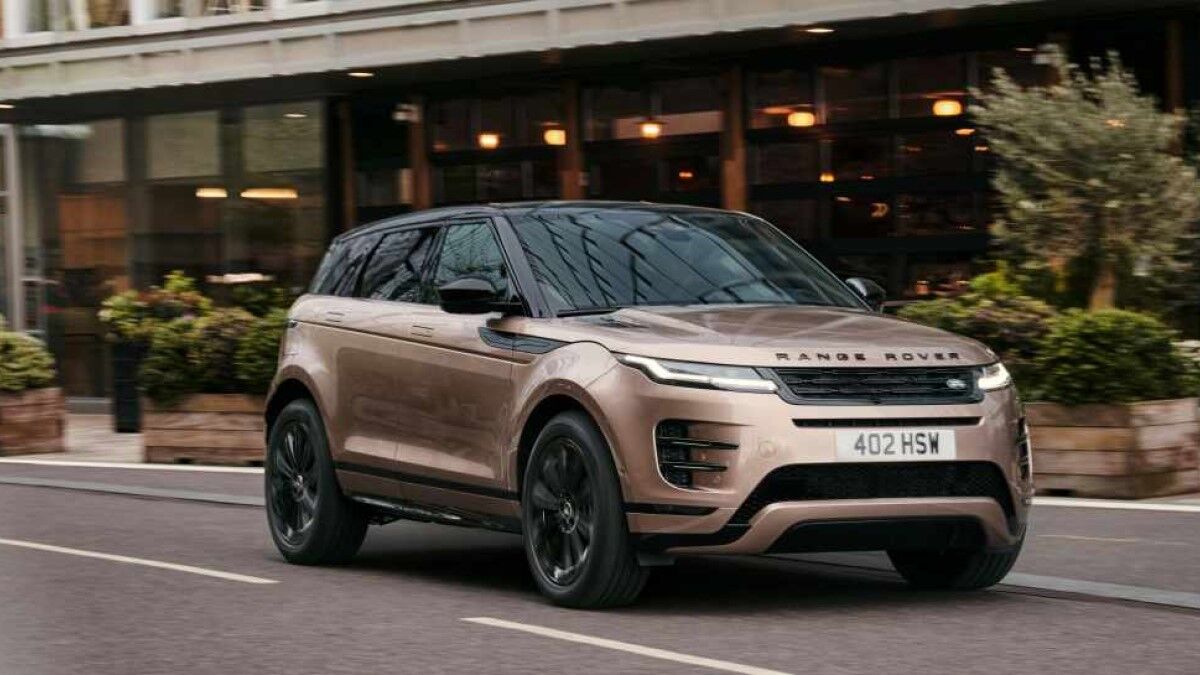

Compact SUVs with a hybrid powertrain are nothing new. Models that use a gasoline engine and battery-fed electric motors have been around for decades, and today they’re more popular than ever. In fact, the nation’s best-selling SUV — the Toyota RAV4 — is only sold with a hybrid powertrain.
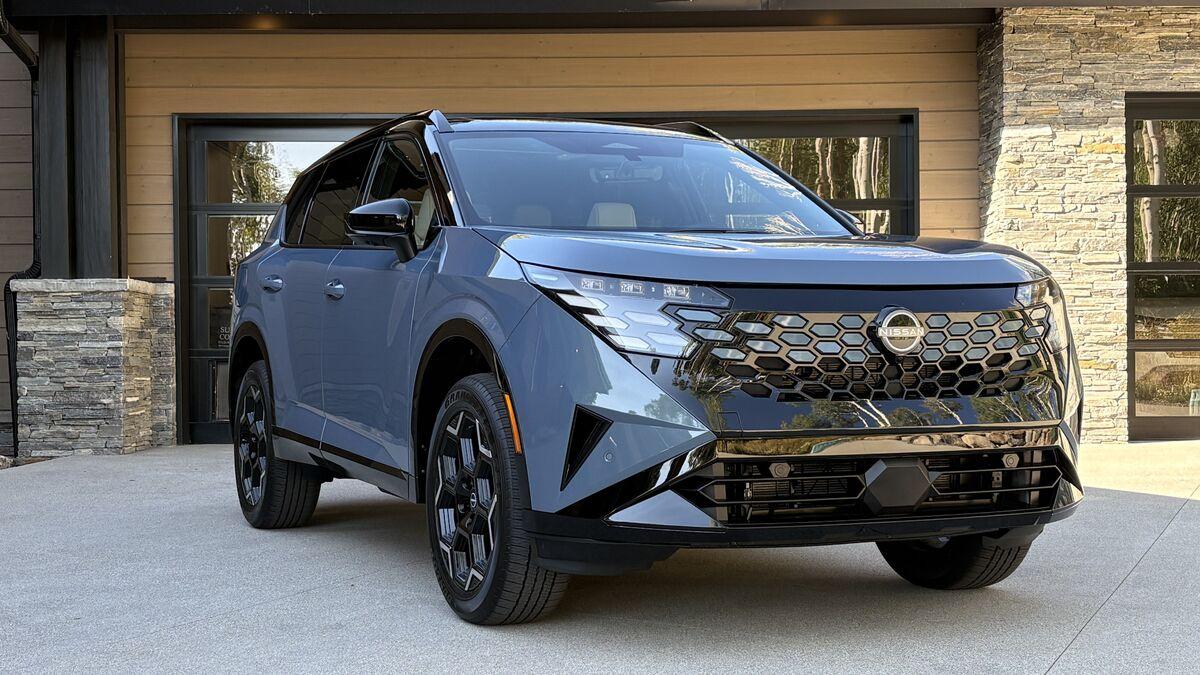
The all-new 2027 Nissan Rogue Hybrid will also be motivated by a gas-electric setup, but it is entirely new and novel. In fact, it might just be groundbreaking.
Here at Kelley Blue Book, we strive to serve everyday car shoppers, and that includes conveying what you need to know about how a car operates without requiring you to have an engineering degree. That caveat aside, we’ll briefly nerd out on why the Nissan Rogue Hybrid is no ordinary hybrid, and why it matters to you.
A Different Kind of Hybrid
As we first relayed in an initial drive of a prototype model in Japan, the Nissan Rogue Hybrid uses what is called a series hybrid system, as opposed to a parallel one. In the simplest of explanations, a parallel hybrid system uses the gasoline engine to power both the battery/electric motor setup and provide power to the wheels. That means with this sort of setup, the actual wheels can be driven by the electric motor or the gasoline engine via a transmission. It’s favored by almost every other automaker.
A series hybrid like the one used in the 2027 Rogue Hybrid is much different. The gasoline engine serves only as a generator, sending power to the battery and electric motor. The wheels are driven only by an electric motor, and there is no transmission at all.
Nissan calls this hybrid setup e-Power, and America hasn’t seen anything like it in a long time, and for most drivers, ever. Only two modern-era vehicles used such a setup: the range-extended version of the funky BMW i3 micro car, and the Chevy Volt (which technically still had a link between the gas engine and wheels).
Proven Powertrain
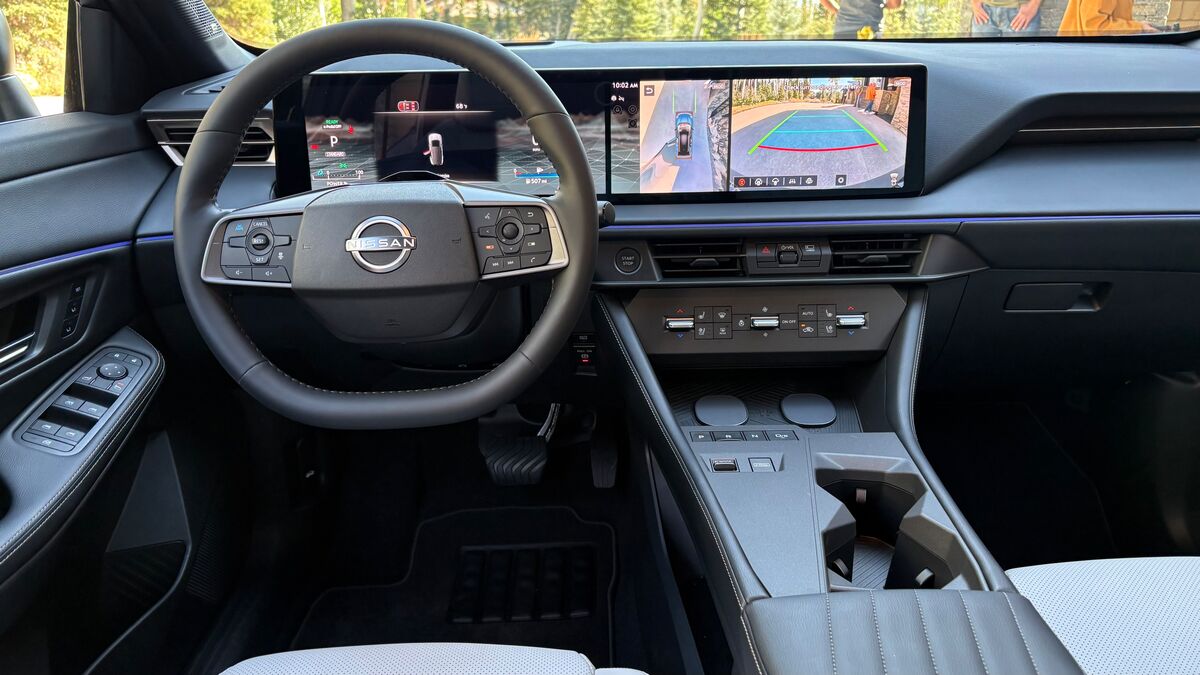
But that doesn’t mean it’s unproven tech. While it’s a first for America, this is the third generation of e-Power. The technology debuted a decade ago, and Nissan has sold nearly 2 million vehicles with the e-Power hybrid system in 68 countries since then.
Technically, some might call the Rogue Hybrid an extended-range electric vehicle (EREV), but that would likely only complicate things and throw yet another term at harried car shoppers, many of which are still trying to understand the differences between an electric vehicle (EV), hybrid electric vehicle (HEV), and plug-in hybrid (PHEV). We see you.
So does Nissan, which has wisely decided to simply call this all-new model the Rogue Hybrid.
Why This Matters
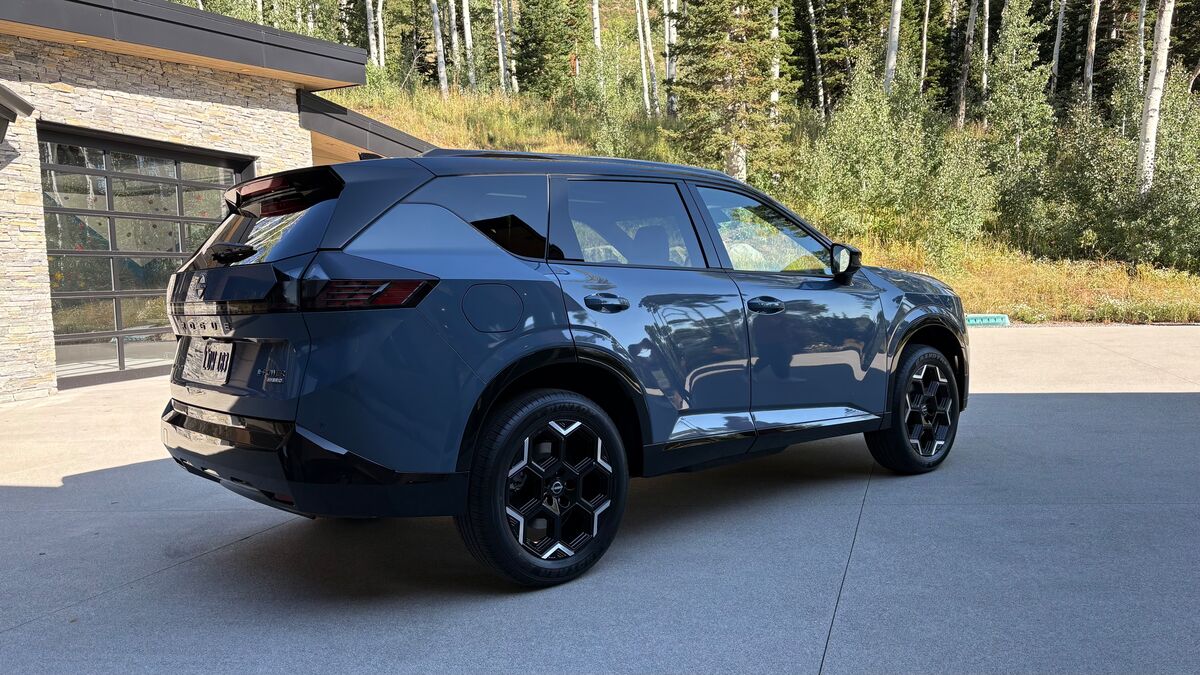
By using a setup in which the gasoline engine only serves as a generator, Nissan has essentially created a hybrid vehicle that acts more like an electric car.
That gives it the benefits of a hybrid — such as not needing to worry about range anxiety or charging, and rather just filling up with gas when you need to refuel — as well as the attributes of an EV, including a quiet ride, immediate power, and smooth driving dynamics.
Because the wheels are only powered via the electric motors — one for each axle, which grants the Rogue Hybrid standard all-wheel drive (AWD) — you also get less vibration. Another boon is that you’ll never feel the car shift, because there is no transmission, just like almost every other EV.
The fact that this is made by Nissan, known for its wide use of continuously variable transmissions (CVTs), is not lost on us.
2027 Rogue Hybrid Power and Fuel Economy

In this setup, the 2027 Rogue Hybrid makes a total of 225 horsepower. Nissan has not given a torque figure, and that’s not unusual for hybrids; Toyota is the same way.
That power output puts it above the Honda CR-V Hybrid (204 hp) and slightly below the RAV4 (236 with AWD).
The Rogue Hybrid also sits between those best-selling rivals on fuel economy, earning an estimated 38 mpg in combined city/highway driving. An AWD CR-V Hybrid delivers up to 37 mpg, while an AWD RAV4 earns up to 43 mpg.
What It’s Like to Drive
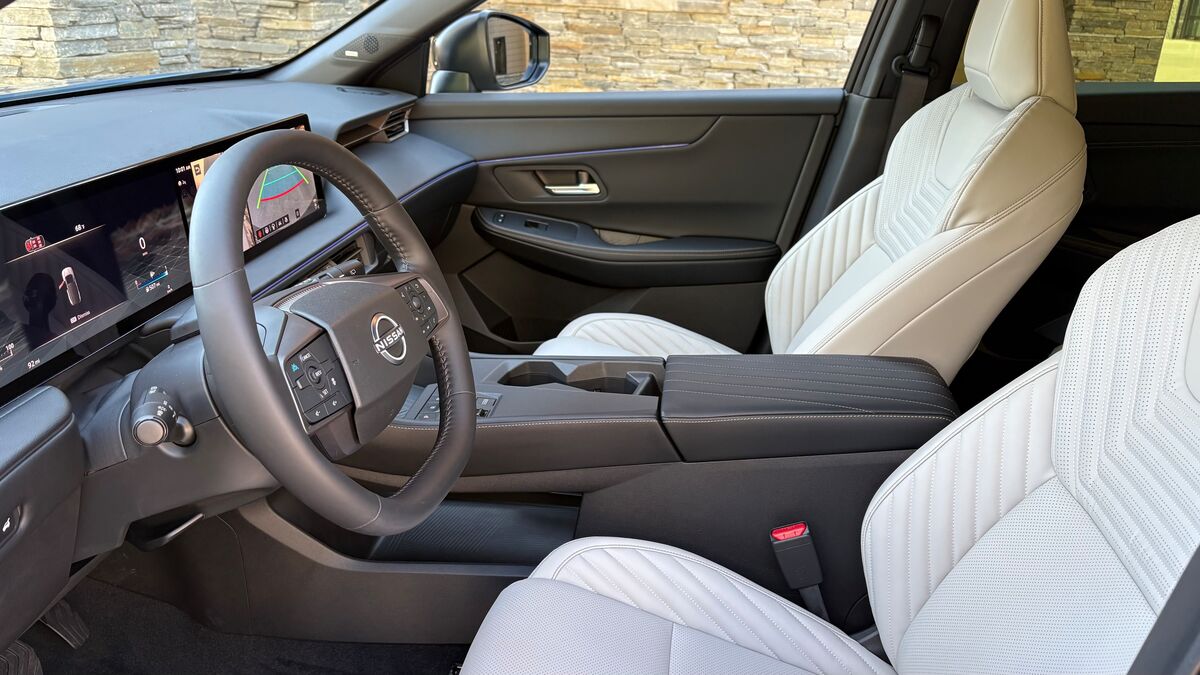
We were granted another, slightly longer drive in a Rogue Hybrid prototype, this time at elevation in the mountains around Park City, Utah.
This loop gave us roughly 30 minutes and several miles on winding roads. While the seat time was brief, it was enlightening. In this initial test, the 2027 Rogue Hybrid truly feels like a hybrid that thinks it’s an EV.
It provided the swift and immediate throttle response of an electric car, the quietness and smoothness of one, and the lack of a transmission associated with an EV.
The only indicator that we weren’t in an EV is when the turbocharged 3-cylinder engine would switch on to feed the electric bits. And even here, the experience was different. The gas engine wasn’t on all the time, and when it was, it was quieter than we’d expect.
The Rogue Hybrid has another tricks up its sleeve, including true one-pedal driving like an EV, and even a specialized braking system called Smooth Stop that works to defeat the final head bob many of us experience in hybrids.
2027 Nissan Rogue Pricing and Availability
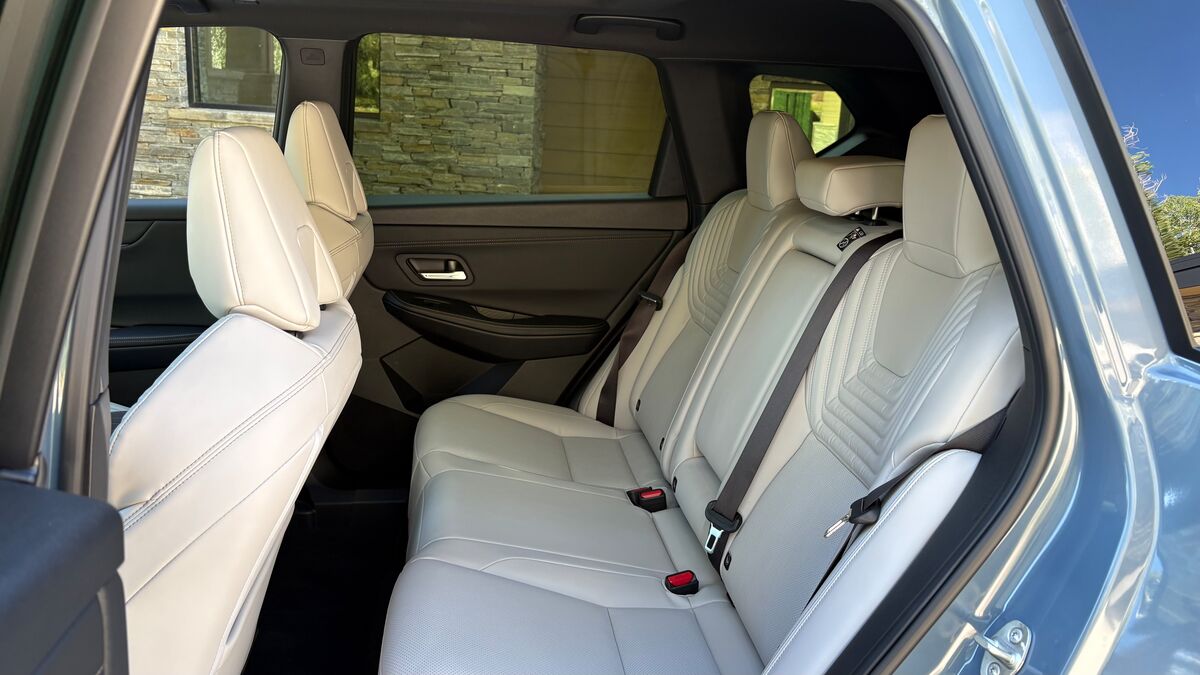
Nissan will be granting us a longer test drive soon in production models so we can further assess the Rogue Hybrid’s capabilities, but this latest experience has us very excited for this groundbreaking tech.
The new 2027 Rogue Hybrid will be available in three trims: SV, SR, and Platinum, with pricing as follows, including the $1,575 destination fee.
| 2027 Nissan Rogue Hybrid SV | $37,065 |
| 2027 Nissan Rogue Hybrid SV with SV Premium Package | $39,165 |
| 2027 Nissan Rogue Hybrid SR | $39,065 |
| 2027 Nissan Rogue Hybrid SR with SR Tech Package | $43,065 |
| 2027 Nissan Rogue Hybrid Platinum | $45,065 |
The new 2027 Rogue Hybrid will go on sale this fall, launching with the Rogue Hybrid SR with Tech Package. The other trims are slated to go on sale in early 2027.