

- Startup Scout Motors expects to have cars in customer driveways early in 2028.
- The company has begun building pre-production models at its South Carolina factory.
If you’re waiting on a truck or SUV from the reborn Scout Motors, we have progress to report. The company’s Blythewood, South Carolina, factory is starting to build its first cars.
They’re not bound for customers’ driveways yet. Deliveries, Scout announced Thursday, are “expected to begin in 2028.”
But there are now functional Scout vehicles driving around the production campus even as construction workers put finishing touches on the factory — a crucial sign of health from a startup.
About Scout
- Scout is a bit of a corporate chimera – part startup, part offspring of an already-successful global automaker.
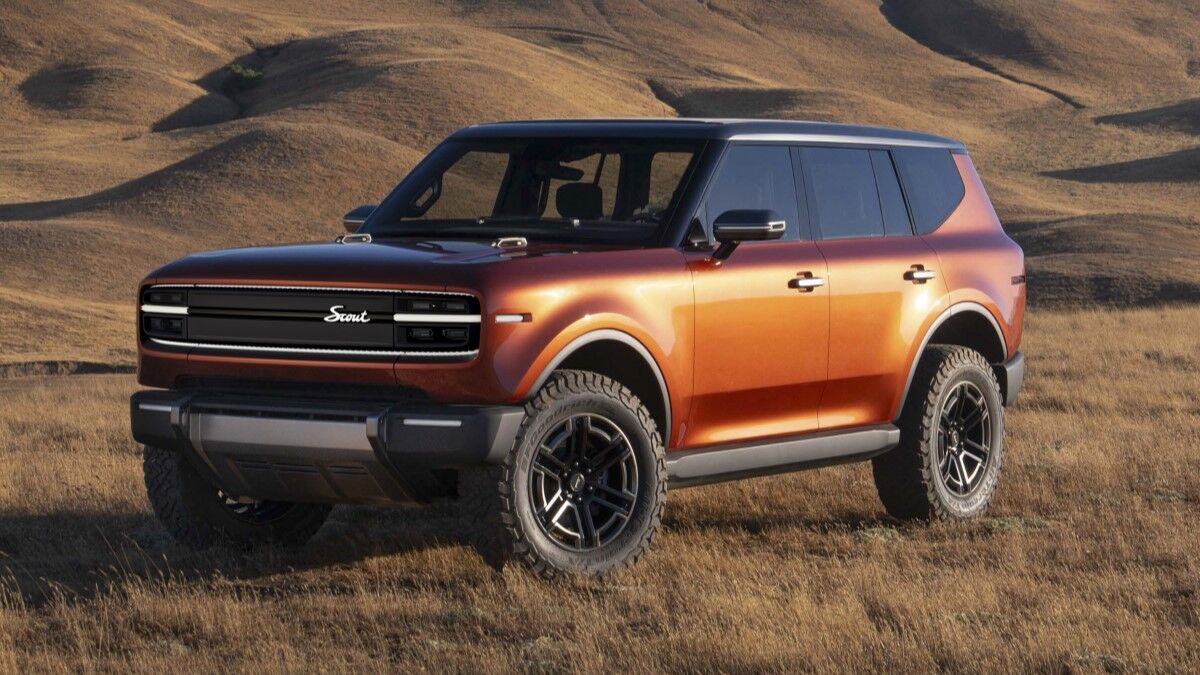
- It plans a truck and an SUV, both electric or available with a range-extending gasoline engine, designed as spiritual successors to the International Harvester Scouts of the 1960s and ’70s.
Scout is a project of the Volkswagen Group, but considers itself a standalone American automaker drawing on deep roots.
From 1961 to 1980, the International Harvester Scout was one of the world’s first genuine SUVs. Scouts had rugged lines, truck frames, and 4-wheel drive (4WD). They competed with the Ford Bronco, Jeep Wagoneer, and other early SUVs for the attention of buyers seeking a trail-worthy vehicle.
The brand stopped building vehicles in 1980 to focus on commercial trucks and school buses. In the decades since, its assets have been sold and resold. They landed with Volkswagen almost by accident – the rights to the name were included when VW bought some diesel engine technology from one of International Harvester’s successor companies.
VW saw an opportunity, however, in both the American appetite for rugged, off-road-worthy vehicles and the rise of electric cars. It has launched Scout as a standalone brand with a plan for two models – the Traveler SUV and Terra pickup.
They’ll be available as pure electric vehicles (EVs) or with a 4-cylinder engine mounted under the cargo area in the rear that functions solely as a generator to extend their range.
The company plans to sell cars directly to customers without working through dealerships – a move that faces legal and political challenges.
‘Character Cars and Commodity Cars’
- Scout knows there’s a lot of competition in the rugged SUV space, but thinks it has an advantage in its styling and heritage.
The company claims 212,000 reservations today. A reservation costs just $100 and is fully refundable.
“I’m not naïve,” CEO Scott Keogh tells Kelley Blue Book. “I know that’s not 212,000 sales. But it is a very good sign.”
Keogh believes projections that America’s car market will not grow substantially in the next few years. But he argues that there’s room for Scout.
“I think there are two types of vehicles in America,” he explains. “Cars with character, and who-cares-commodity vehicles.” Scout, he says, is the former – drawing on a beloved heritage and designed with passion.
“Character cars are doing quite well in the American market.”
Several Steps Before Full Production
- The factory is starting with a skeleton crew, but has a long way to go before making customer cars.
A new model goes through several stages of development before it’s ready for sale.
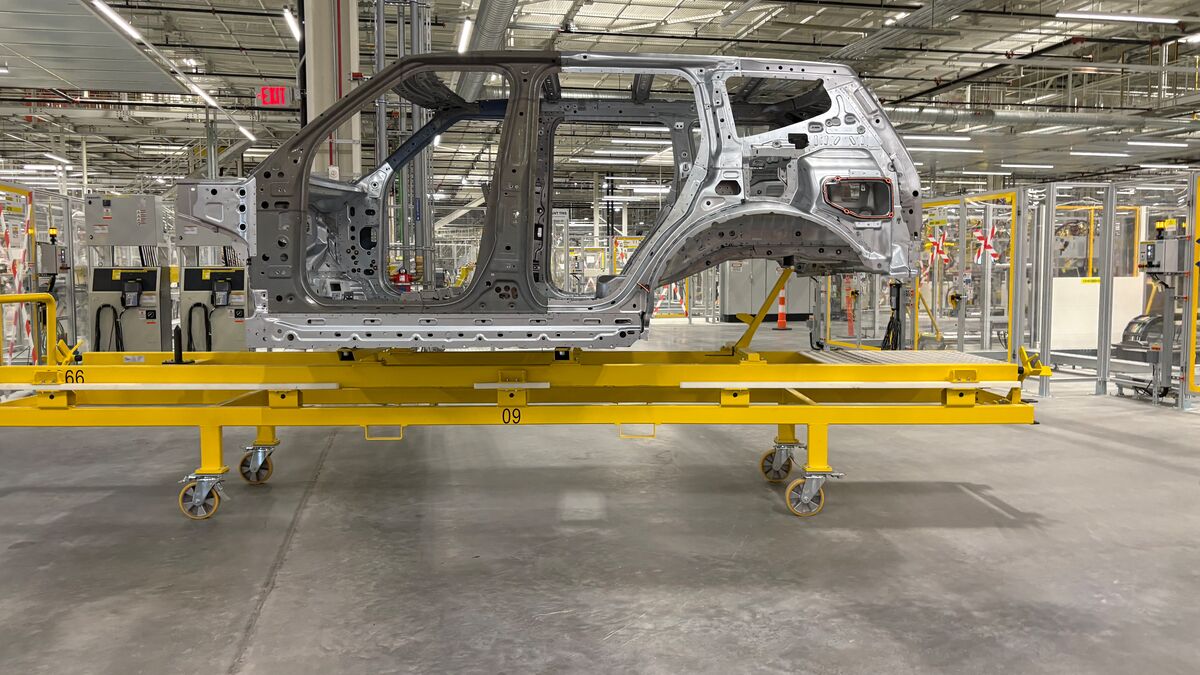
First come concept vehicles to showcase the design, which is often not yet final at the concept stage. Then, as a factory spins up production, it builds “validation models” to test both the finished design and the process for building it.
Pre-production cars come next, which are near-final and often used to show the finished product to dealers and journalists. Production cars are the last stage.
KBB saw validation models on a tour of the new Scout production facility this morning. The factory will be capable of building up to 200,000 vehicles a year, officials said.