

- The Trump administration is expected to propose loosened federal fuel economy standards today, hoping it will bring down car prices
- The move is largely theatrical – the administration stopped enforcing any standards months ago
The White House is expected to release new, looser federal fuel economy rules for cars and trucks today. But the move could have no practical impact, as the administration announced in June that it no longer enforces such rules.
Citing unidentified sources, Reuters reports, “The Trump administration is set to propose a significant rollback of fuel economy standards finalized by former President Joe Biden last year, its latest push to make it easier for automakers to sell gas-powered cars.”
The New York Times adds, “Executives from major automakers including Ford Motor, General Motors and Stellantis were invited to attend the announcement at the White House, according to the three people, who asked not to be identified because they were not authorized to discuss the event.”
The White House has yet to release details of the plan. Even once they are public, they will take months to take effect. Proposed regulations must undergo a months-long process of publishing drafts and soliciting public comments before they are finalized.
The Biden administration tightened fuel economy standards late in its term. However, those rules were in force for only a short time before Trump was elected and pledged to roll them back.
Whatever the new rules say, they may exist only on paper unless the Department of Transportation renews enforcement efforts once it writes rules it likes.
How CAFE Standards Work (When They Work)
- From 1975 to 2025, automakers paid fines for selling too many gas-guzzlers
- That pushed engineers to get more power from small engines
The Corporate Average Fuel Economy (CAFE) standards program was established by Congress in response to the oil crisis of the 1970s, which led to a surge in gas prices.
The program required the total fleet of cars each automakers sell to meet a target fuel economy figure. It fined each company that missed the target.
Automakers that produced fewer emissions earned credits they could sell to others that missed the target. That system largely funded the rise of Tesla, which made more money selling credits to other automakers than from any other source for its first 19 years in business.
The U.S. Department of Transportation routinely tightened the rules as advancing technology made it easier for automakers to meet them.
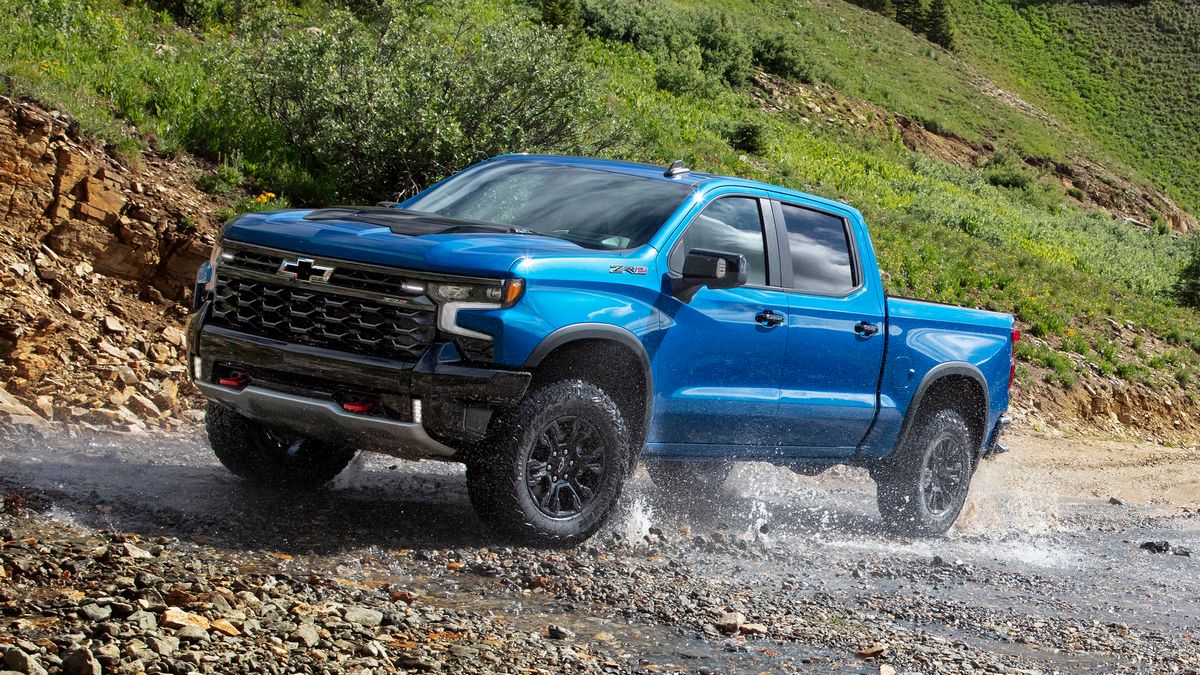
The standards helped push automakers toward smaller engines. In recent years, turbocharged 4-cylinder engines have replaced V6 powerplants in many midsize cars and SUVs. They’ve even appeared in large pickups and, tuned to very high power output, in some performance cars.
White House Calls This a Cost-Savings Measure
- The White House reportedly aims to drive down record-high car prices by allowing automakers to use older engine technology
The administration pitches the new rules as a measure to bring down soaring new car prices. The average American new car buyer now pays nearly $50,000.
Bloomberg explains, “The move is the latest in President Donald Trump’s push to dismantle policies that he criticizes as an ‘EV [electric vehicle] mandate.’ The Trump administration has argued that ‘artificially high’ fuel economy requirements have pushed the price of a new car to record highs.
In theory, returning to older engine technologies could allow for some cost savings. But such a move is likely to begin working only years from now.
Move Would Take Years to Have Much Impact
- Automakers spend years designing each new car, so the first cars influenced by these new rules won’t appear until after Trump leaves office
- Many cars are sold on multiple continents, so changing rules in one country has little impact
The design cycle for a new car typically takes years. Cars reaching showrooms as new 2026 models this month started from sketches during the Biden administration or late in Trump’s first term. If automakers design new engines and new cars to accommodate looser CAFE standards, they won’t appear in showrooms until after Trump is out of office.
Many automakers also sell the same cars in multiple countries. They design for the strictest rules they’ll encounter. So loosening standards in one country often has little impact, while tightening them anywhere changes designs.
Automakers can make a few moves in response to looser rules. But they already have.
For instance, Stellantis, parent company of Dodge, Jeep, Ram, and other brands, recently brought its lineup of Hemi V8 engines back from exile.
But that was an easy move to make – the company already had a factory producing the engine, and simply needed to cancel plans to wind down production.
Finally, for the new rules to have any impact, the Department of Transportation would have to resume enforcing them.