
If you’re anything like me, you spend more time than you’ll readily admit complaining about other drivers’ headlights at night. Modern automotive headlights come in many forms, but there’s no way around the fact that they are all far brighter than the old sealed-beam units of years past. At least a few lawmakers have heard those concerns, introducing the LIGHT Safety Act earlier this year to address some of the issues with ultra-bright headlights. It’s important to note that the vast majority of bills don’t become law, but it’s encouraging to see legislators paying attention.
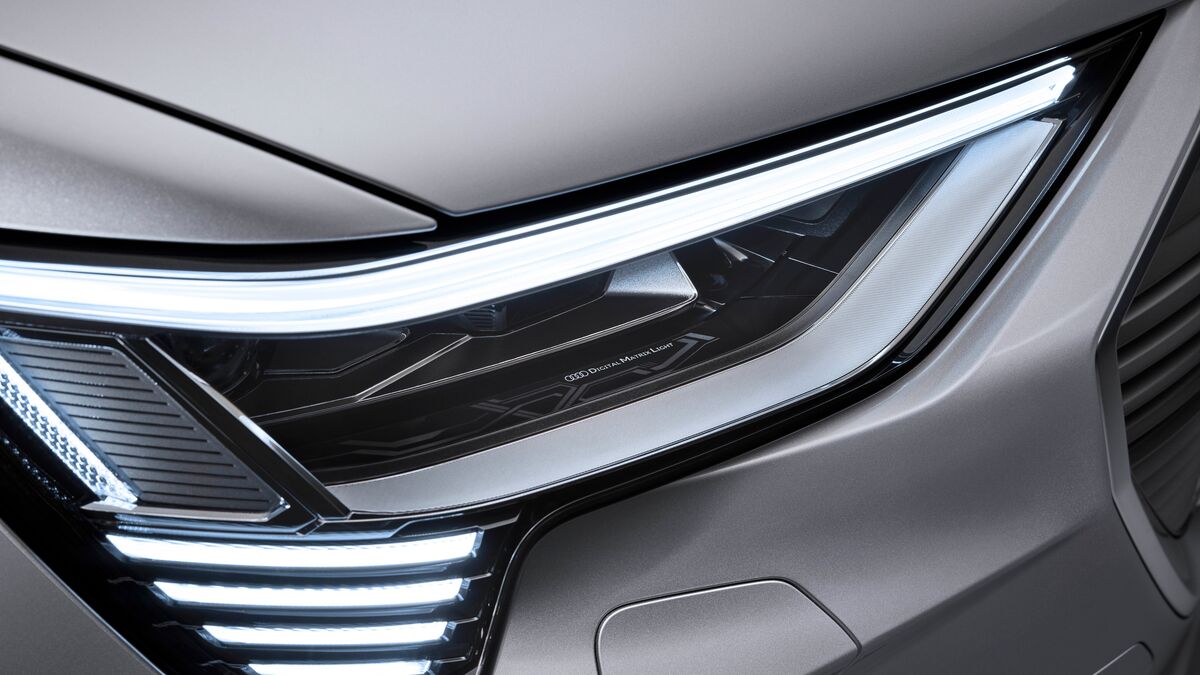
The automotive industry has moved toward advanced technology to prevent blinding headlights, including adaptive and matrix lighting systems that direct the light away from oncoming traffic and pedestrians. But it took until 2022 for adaptive and matrix lighting systems to become legal in the U.S., so the wheels of justice turn slowly. The LIGHT Safety Act, also known as the Limiting Intense Glare for Highway and Two-lane Safety Act, seeks to set maximum allowable brightness levels for low-beam headlights.
Tesla and General Motors have faced challenges with the lighting output of their vehicles, with the National Highway Traffic Safety Administration (NHTSA) saying that some of those companies’ vehicles exceed safe levels of headlight brightness. NHTSA denied Tesla’s petition to avoid a recall, forcing the automaker to fix the issue in several thousand Model 3 and Model Y vehicles.
Of course, some of the brightest headlights on the road come from aftermarket companies and are illegal in many cases. It’s against the law to swap in LED bulbs for traditional halogen units, unless it’s a fully-certified DOT/SAE-compliant headlight assembly.
You can take steps to protect your eyes and night vision, even if the new headlight law flounders in committee. Avoid staring directly at oncoming traffic, and try to adjust your line of sight downward to keep a view of the road ahead. You may also be able to adjust your mirrors to prevent being blinded by headlights from behind your vehicle. Finally, it’s a good idea to keep your car’s windows and mirrors as clean as possible to reduce glare and improve visibility after dark.