

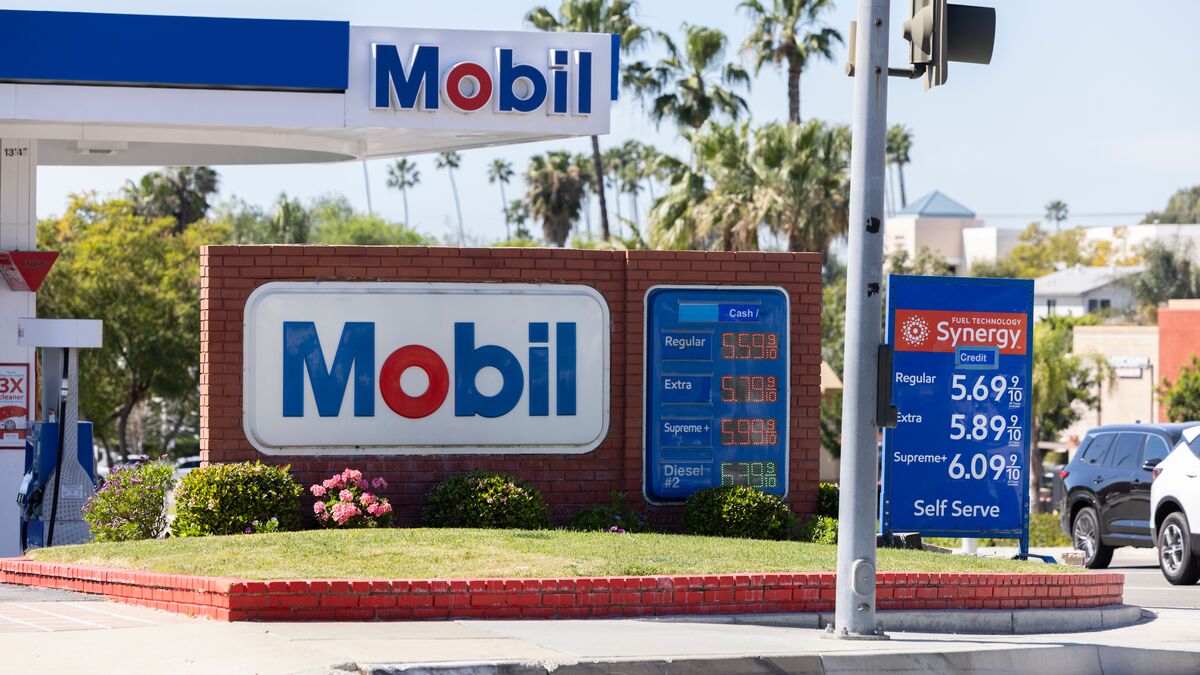
Gas prices have been trending higher since the start of the war with Iran, but the change over the past week has been striking. Seven days ago, a gallon of regular fuel averaged $4.17 in the U.S., and today it has ballooned to $4.48. Those prices hit all of us at the pump, but related diesel and aviation fuel cost increases ripple through many other parts of our daily lives.
Consumers now spend around a billion dollars more per day on fuel than before the war, with about half of that attributable to jet fuel and diesel prices. Spirit Airlines shut down over the weekend, citing rising fuel prices as one of the contributing factors, and other airlines are canceling flight routes or raising prices to cope.

Higher diesel prices hit shipping industries hard, making consumer goods like groceries and electronics more expensive. You may have noticed the impact if you’ve recently tried to ship a car, as most national carriers rely on large diesel trucks to move vehicles across the country.
Despite a ceasefire announcement, traffic through the Strait of Hormuz remains almost nonexistent. The channel, which carries more than a fifth of the world’s oil supplies, handled just 19 ships last Friday, down from over 100 per day before the war.
As depressing as this sounds, it’s not doom and gloom for everyone. Average gas prices have yet to crest the $4/gallon mark in parts of the South, including Georgia, where a gallon of regular currently averages $3.91. There’s more good news for drivers in the Midwest, with GasBuddy recently reporting on Threads that refinery issues have begun clearing, which could drive fuel prices down by up to $0.60 per gallon in some places.
That said, the West Coast has been hit hard, with gas prices averaging $6.13 per gallon in California, according to AAA. If you live in one of the areas where fuel prices have become untenable, check out Kelley Blue Book’s fuel-saving tips to help get ahead of rising costs.