
- Mazda delayed its first mainstream EV by two years to 2030.
- Three new hybrids will arrive over the next few years instead.
- The approach has helped Mazda avoid big EV investment losses.
Mazda is one of just a few automakers without a mainstream electric vehicle (EV) in its lineup. But the company won’t debut a new model anytime soon. It recently announced a two-year delay in its first dedicated EV, pushing it back to 2029. Its slow-roll approach is looking like a smart one as other companies rack up significant losses.
The delay comes with a major cut to Mazda’s EV investment strategy, as the automaker says it will reduce spending by around 50%. It will instead focus on hybrids and will lean on Chinese-made electrified vehicles for other global markets.
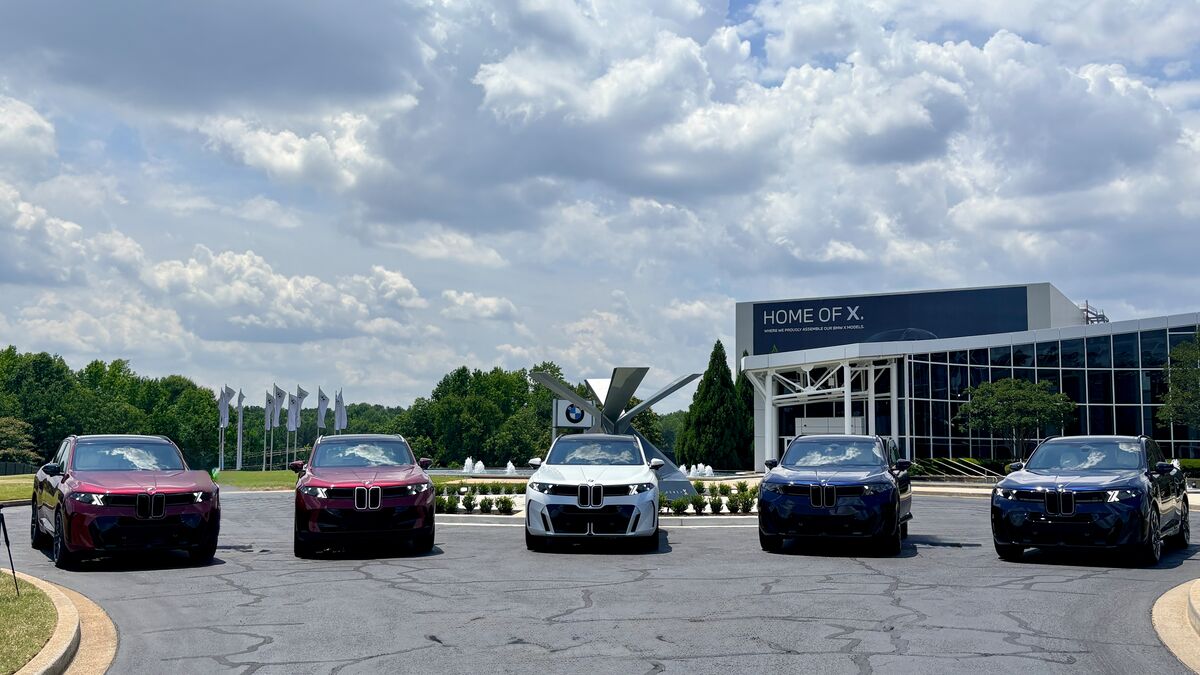
Lacking the budgets of major players like Toyota and BMW, Mazda has always described itself as an “intentional follower” on electric vehicles. While that has left it out of the electric vehicle (EV) race, it has also insulated Mazda from the losses so many other automakers have booked as they pivot away from electric models.
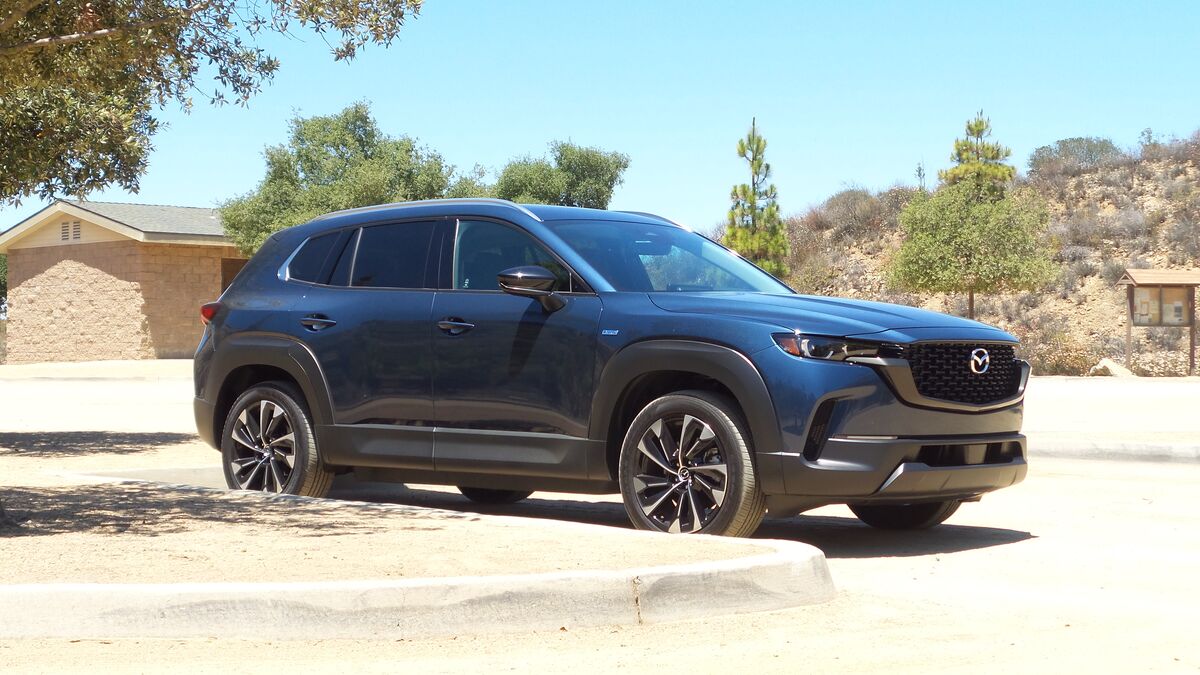
In place of EVs, Mazda plans three new hybrid models later this decade. A CX-5 Hybrid is due for 2027, featuring a new 4-cylinder engine and a hybrid system developed in-house, replacing the Toyota-based system used in today’s CX-50 Hybrid models.
When EV production eventually ramps up, the automaker said it’s targeting 200,000 to 250,000 units per year by 2030, around 15% of its global volume. While still a significant chunk of the overall pie, it’s a big decrease from the originally planned volume of up to 40% by 2030.
The strategy shift aligns with U.S. market demands, where hybrids have grown in popularity. Mazda said hybrid configurations make up between 35 and 40% of CX-50 sales. EV registrations in the U.S. actually fell in 2025 as the federal tax credit expired.
Mazda still faces risks, however, as tariffs and other trade challenges remain a threat. The popular CX-5 and other models are manufactured in Japan, which could impact Mazda’s revenues going forward.