

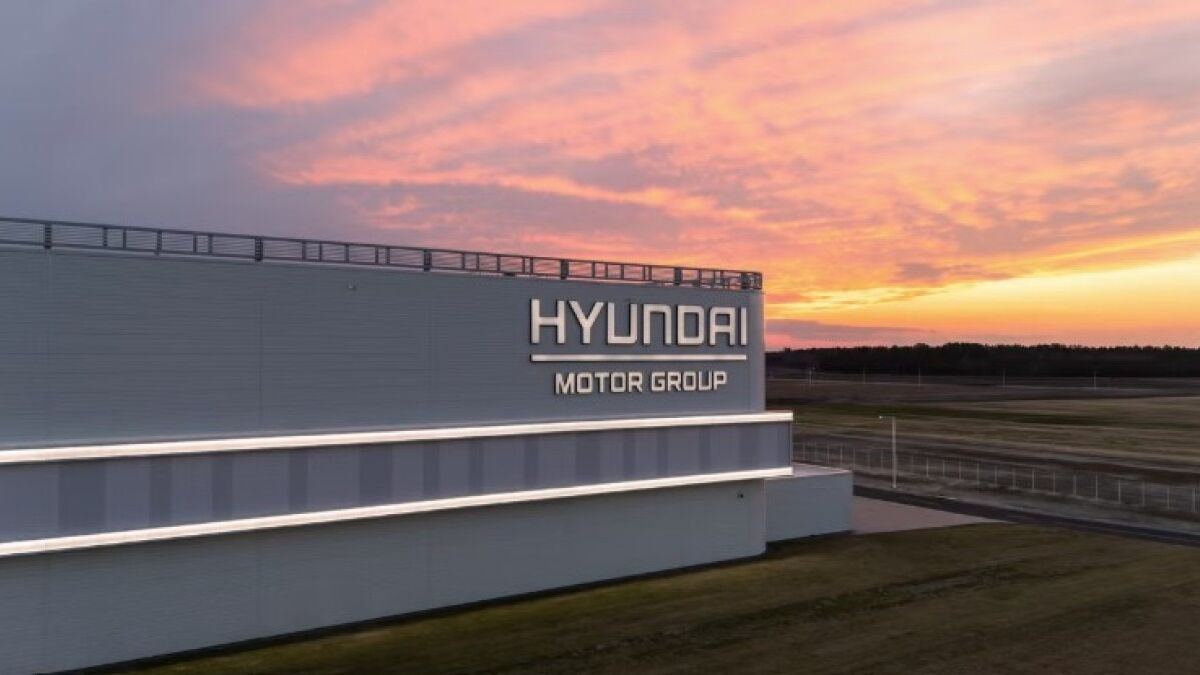
Update 8/25/26 — Reuters reports that Hyundai and its union have reached a tentative deal to end the series of strikes without impact on American consumers. Our original story remains below:
- Workers in South Korea walked off the job for a single day on Friday.
- Strikes have left dealers short of new cars in the past, but this action is limited so far, and probably won’t impact the new cars available here.
Forty thousand workers walked off the job at Hyundai plants in South Korea on Friday. Past strikes have left dealers short of certain cars and raised prices for car shoppers. So far, this one appears unlikely to have either effect.
What Is the Dispute?
- Workers want compensation changes and protections against AI and robotics.
The union, Reuters reports, “Seeks a higher retirement age and job protections against artificial intelligence and automation.”
South Korean automakers are paid through a complex system involving wages and multiple bonuses. Automotive World notes that the union “argues that fixed wages currently make up only 54.8% of members’ total pay.”
Hyundai, meanwhile, has made no secret of its heavy interest in using humanoid robots on assembly lines. The company has a controlling stake in robotics industry leader Boston Dynamics, and has announced plans to use the company’s Atlas robot in its Georgia plant before the end of the decade.
The union, Automotive World says, “is seeking binding consent authority over any deployment of AI or humanoid robots on assembly lines.”
Will It Affect Availability of Cars at Hyundai Dealerships?
- The strike, so far, is planned to last a single day.
- Hyundai dealers have a healthy supply of most models.
Americans may remember that past autoworkers strikes have left dealers short of some cars and triggered price increases on certain models. A major strike by America’s United Auto Workers in the summer of 2023 briefly left Detroit’s three major automakers short of some large trucks and SUVs.
More recently, a strike at an axle plant in June was settled as it seemed likely to start impacting shoppers.
That’s less likely in this case. Joongang Daily, South Korea’s largest newspaper, notes that this strike is planned to last only a single day.
The union involved has staged a series of shorter walkouts lasting half a day or less in recent weeks. Those disruptions, Reuters notes, “have disrupted production of 55,200 vehicles worth over 2.3 trillion won ($1.67 billion).”
But American customers haven’t noticed a change. Hyundai uses its Georgia plant to build many of the models most popular with Americans.
Others, including the Palisade and Kona SUVs, come only from Korean plants. But dealers appear well-supplied at the moment.
Related: Where Hyundai Builds Each Car
An old industry rule of thumb tells dealers to keep about a 75-day supply of new cars for sale – 60 days on the lot and 15 on order.
Hyundai dealers finished July with an 87-day supply, on average – more than their target. Kelley Blue Book data show only the Ioniq 5 electric vehicle (EV) slightly under 30 days.
Shoppers should expect normal inventory and prices for the time being. If labor unrest spreads, we’ll let you know.