
- Stellantis, parent company of Chrysler, Dodge, Jeep, and other brands, says it has canceled all of its plug-in hybrid models.
- The company has started launching extended-range electric vehicle (E-REV) models with a similar but more capable technology.
Stellantis, parent company of Chrysler, Dodge, Jeep, Ram, and several other car brands, has stopped production of all plug-in hybrid (PHEV) vehicles.
The Drive reported the news first. A company spokesperson later confirmed it, telling multiple media outlets the company will “phase out PHEV programs in North America beginning with the 2026 model year, and focus on more competitive electrified solutions, including hybrid and range‑extended vehicles where they best meet customer needs.”
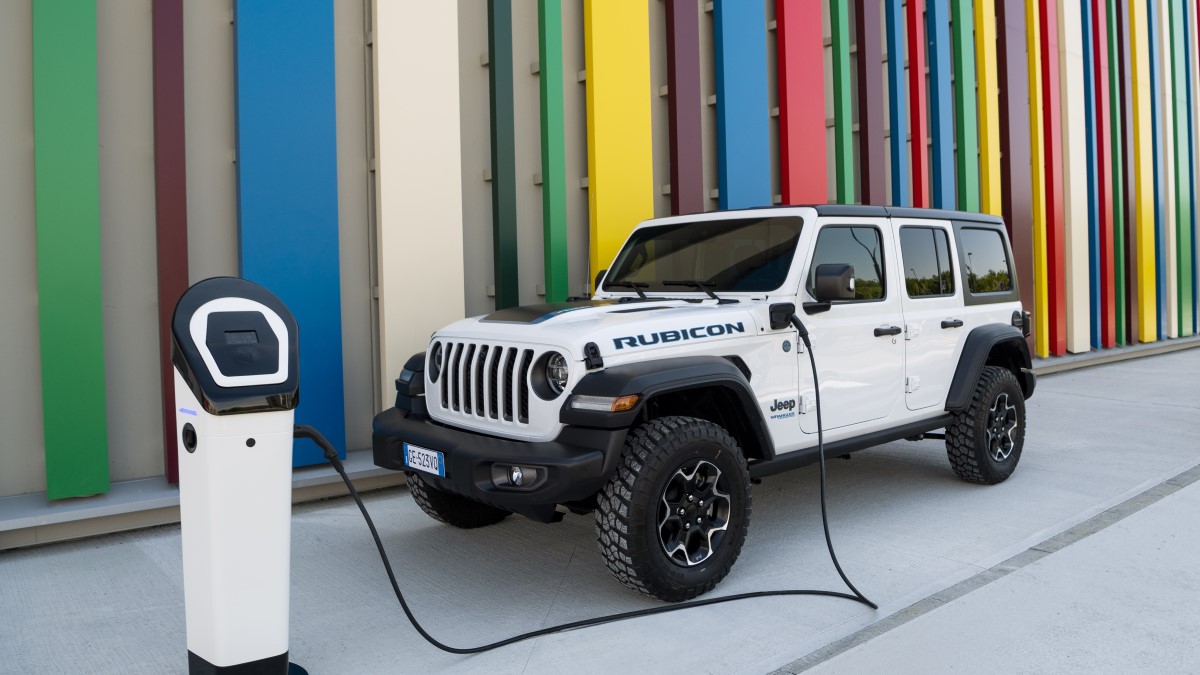
The move puts an end to production of the Chrysler Pacifica PHEV, Jeep Wrangler 4xe, and Jeep Grand Cherokee 4xe. The company has also marketed PHEV versions of the Alfa Romeo Tonale and Dodge Hornet, but has not announced that those will be sold for the 2026 model year.
Dealers still have many Pacifica plug-in models on sales lots, so interested shoppers will likely be able to find all three models for sale for the next few months. Jeep dealers, however, have been instructed to halt sales of the two 4xe models until the company completes repairs under a recall.
Dealers will presumably resume sales to clear those last models off the lot once the recall is complete. We’ll update you when sales begin again.
What Is a PHEV?
- PHEVs combine the convenience of a hybrid with the lower per-mile cost of an electric vehicle, albeit at the risk of more frequent repairs due to their complexity.
A PHEV has both a gasoline engine and an electric motor, like a traditional hybrid. Unlike conventional hybrids, PHEVs can travel a set distance on electric power alone, even up to highway speed, before using any gasoline.
Most PHEVs Stellantis built have all-electric ranges between 30 and 40 miles. That lets most drivers complete their commute and daily errands without using gas, while retaining the ability to take long road trips without stopping to recharge.
The trade-off? PHEVs are more expensive than gas-powered cars and have more moving parts, risking additional repair and maintenance costs in the long run.
You also only get the benefits if you recharge the car regularly. Studies show that many PHEV owners rarely recharge their vehicles.
What’s Coming in Their Place
- Extended-range electric vehicles are similar but more capable, and Stellantis has several in the works.
The move doesn’t mean Stellantis is getting out of the partially-electric-car business. It’s moving faster on a replacement technology than most of its rivals.
Extended-range electric vehicles (E-REVs) also have both a gasoline engine and an electric motor. They can also use either electricity or gas as a power source. The difference? The engine never drives the wheels.
An E-REV is essentially an electric car with a gasoline-powered generator under the hood. Only the electric motor ever powers the wheels. The engine exists solely to recharge the battery when needed.
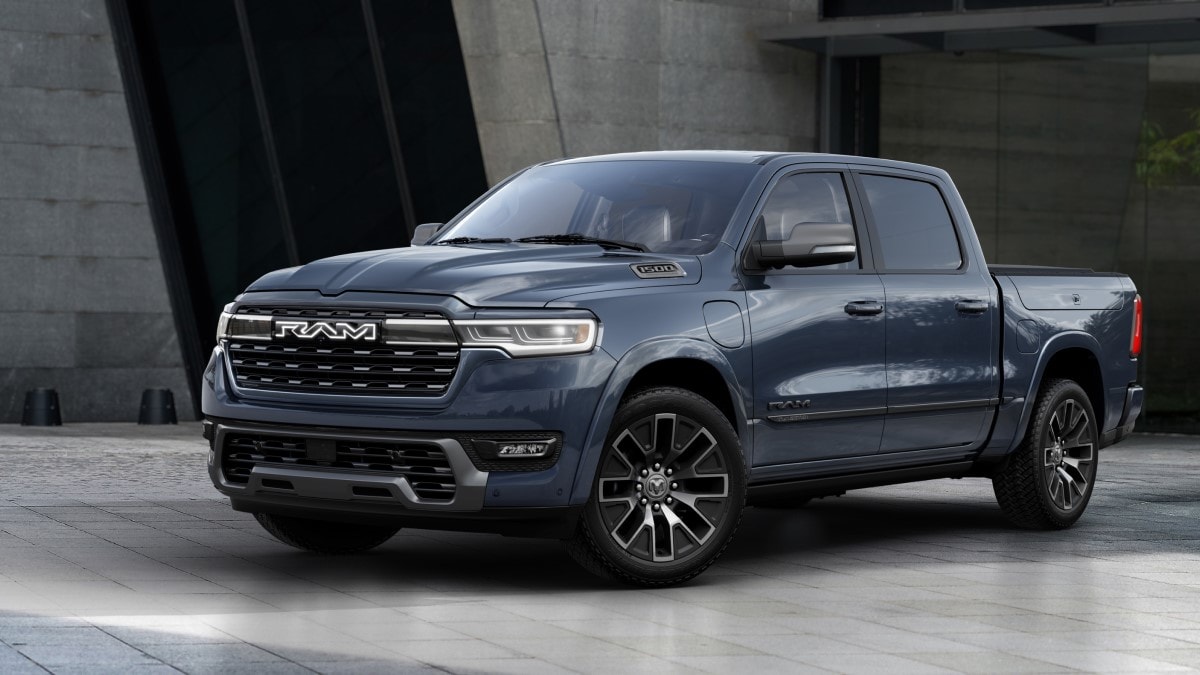
E-REV technology is particularly promising for large trucks and SUVs. All vehicles lose up to half their range when towing a load. That’s not a crippling problem if it means stopping more often for a two-minute fill-up. It’s a more significant problem if it means stopping more often for an hour or more to recharge.
Ram plans an E-REV version of its 1500 full-size pickup. It once called the model the Ramcharger, recently changing the name to Ram REV when it canceled a planned electric truck. The REV, Ram says, will have a range of about 150 miles on a charge and a V6 under the hood to recharge on the fly for longer trips.
Once again, owners will only reap the full benefits of the technology if they recharge the vehicle frequently.
Jeep will use the same powertrain in its 2026 Grand Wagoneer. We would not be surprised to see it proliferate across other Stellantis lineups now that the company has left PHEV technology behind.