
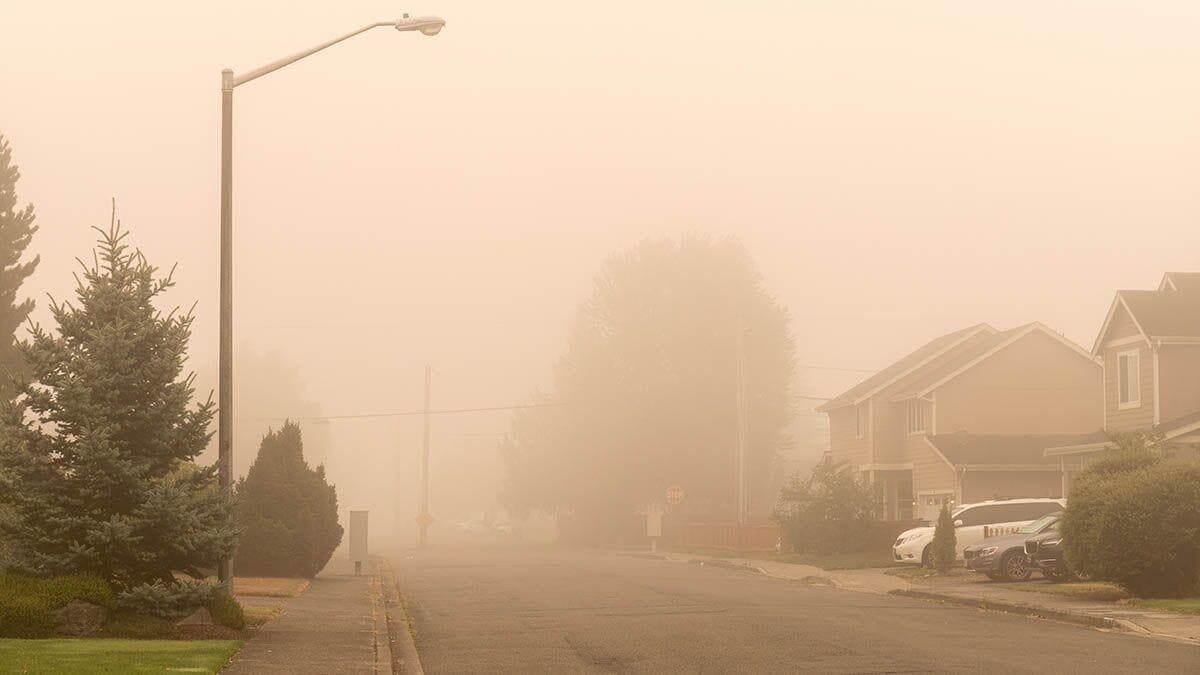
Wildfire ash can travel for miles and settle on vehicles far from the fire line. It isn’t just dust; it can include burned plant material, building paint, plastics, and alkaline minerals that can damage modern paint finishes once they’re activated by moisture.
Left alone, that fallout can etch clear coat, stain trim and glass, and leave a once‑glossy exterior looking permanently hazy. To dig into what drivers should do — and what they should avoid — we spoke with Jim Dvorak, a product specialist at Mothers High Performance Car Care.
What Wildfire Ash Does to Your Paint
Dvorak notes that dry ash sitting on a vehicle isn’t immediately dangerous. The real trouble starts when moisture gets involved. Overnight dew, fog, rain, or even sprinklers can mix with ash and “activate” the chemicals in it. Wildfire ash often contains calcium, potassium, and other alkaline minerals that become corrosive in water, forming a slurry that can chemically etch clear coat and paint.
There’s a mechanical risk, too. Wildfire debris is often gritty, more like very fine sand than soft dust. Wiping it off with a dry towel can scratch the paint and create swirl marks or a dull finish. If ash sits on the car for days, the residue can stain plastic trim and glass and make the exterior look hazy or etched even after it’s washed.
How to Wash an Ash‑Covered Car
If you walk outside and see ash on your car, Dvorak’s advice is simple: Wash the vehicle as soon as it’s convenient, ideally before rain or overnight moisture.
The priorities are timing and gentle technique:
- Rinse first, top to bottom. Use a hose to float ash and debris off the panels, starting at the roof and working down. Don’t dry‑wipe.
- Use a proper car wash soap. A dedicated, pH‑balanced car wash formula provides lubrication and helps loosen ash so it can be carried away without scratching. Skip dish soap and household cleaners.
- Wash with a soft mitt and two buckets. A gentle wash mitt or sponge — microfiber chenille is ideal — plus a rinse bucket helps keep grit out of your wash water.
- Rinse as you go. Move top to bottom, then dry with clean microfiber towels to avoid water spots and streaks.
Done promptly, this routine keeps ash from sitting long enough to cause chemical etching or cumulative micro‑scratching.
Is an Automatic Car Wash Safe?
Not every driver can hand‑wash at home. For many, an automatic car wash is the only practical option, and it’s generally better to remove ash than to let it sit for days.
Dvorak says there’s usually no problem running an ash‑covered car through an automated wash, but offers a few cautions:
- Brush‑style tunnel washes can be rough on dark‑colored cars and may introduce swirl marks.
- Loose trim, rear spoilers, emblems, and antennas can be damaged or removed in some systems.
- If your vehicle has fragile or aftermarket exterior pieces, or if you’re particular about your paint, consider hand‑washing or a touchless wash instead.
Extra Steps and Protection
Wildfire fallout also affects glass, wipers, and filters. After heavy smoke days:
- Clean glass and wipers with proper glass cleaner and a soft cloth, and avoid using dry wipers across an ash‑covered windshield.
- Check cabin and engine air filters and replace them sooner if they’re heavily contaminated.
- Once the car is clean and cool, refresh protection — wax, sealant, or a ceramic coating topper — to create a sacrificial layer above the clear coat.
If ash fall is heavy and you have the option, park indoors, under a carport, or under a well‑secured car cover.
Bottom Line for Wildfire Season
If your car has been near a wildfire and you notice ash or a gritty film on the surface, don’t ignore it and don’t dry‑wipe it off. Ash may look light and fluffy, but chemically it can turn corrosive when wet, and physically it behaves like fine sand. Clean the vehicle promptly with a pH‑balanced car wash soap, plenty of water, a gentle mitt, and microfiber drying. Whether you choose a careful DIY wash or a touchless automatic wash, removing the ash sooner rather than later is what helps protect your paint, glass, and trim from long‑term wildfire‑related damage.
Visit our Car Maintenance Information Center for curated articles to help you make smart maintenance decisions with confidence.