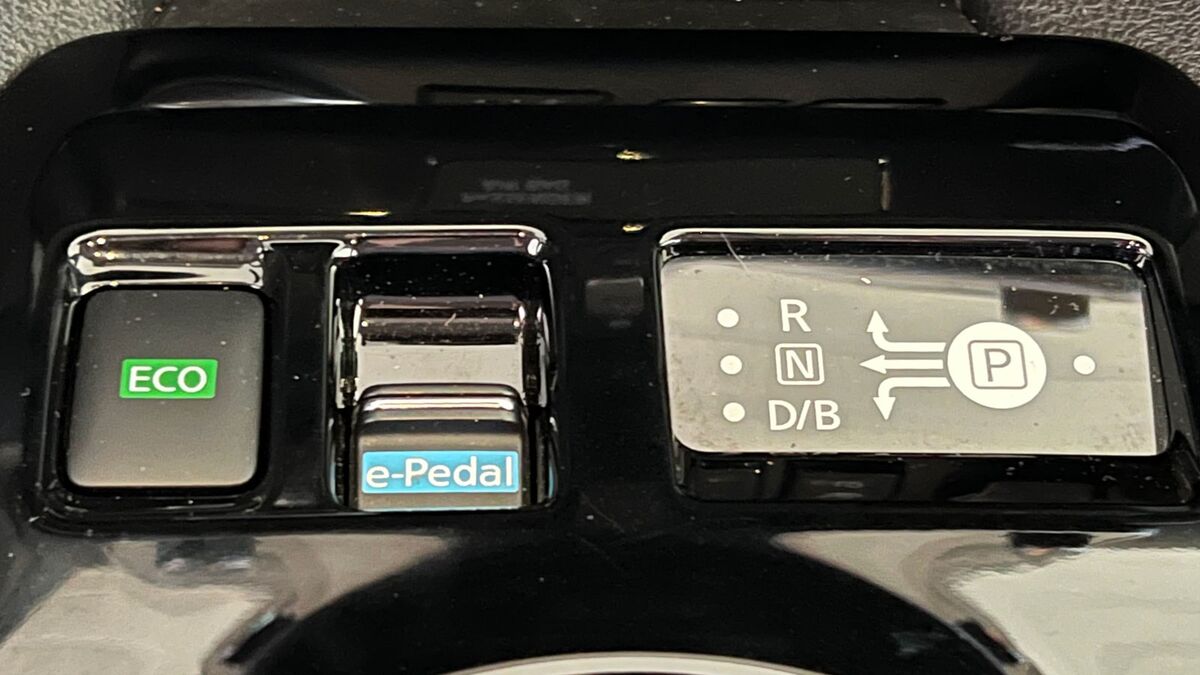

Just the mention of bad weather conjures images of snowbanks and icy roads for many drivers, but being prepared for the elements goes far beyond winter conditions. Much of the country remains warm – hot, even – during the winter, making it essential to be ready for a range of weather conditions, including temperatures, precipitation, and visibility issues. Kelley Blue Book’s team has seen it all, and we’re here to help you hit the road with as much knowledge as possible with the right gear in tow. Let’s get rolling.
Weather Prep Tips
Click to read more
Watch Your Fuel Levels
Top off before conditions worsen: fuel can be harder to find during major storms, and some stations may close. Keeping your tank up helps you avoid getting stranded if roads change fast.
Check Tires, Brakes, Lights, and Wipers
Prioritize the basics that protect control: use tires suited to the season, confirm your lights work, inspect brake wear, and replace worn wiper blades so visibility and stopping confidence stay strong.
Manage Fluids and Check Your Battery
Reliability starts under the hood: verify oil, coolant, and washer fluid levels before rough weather. If battery health is uncertain, get a free parts-store test to reduce the chance of a no-start situation.




Bad Weather Driving Tips
Click to read more
Review Your Route and the Weather
Plan before you pull out: know your route and rough drive time to avoid last-minute detours. Check the forecast in advance so you’re ready for snow, flooding, or low visibility.
Give Yourself Plenty of Time
Slow starts are safer starts: rushing increases crash risk fast. Leave early so weather delays, heavy traffic, or blocked roads never force risky moves.
Be Aware of the Conditions
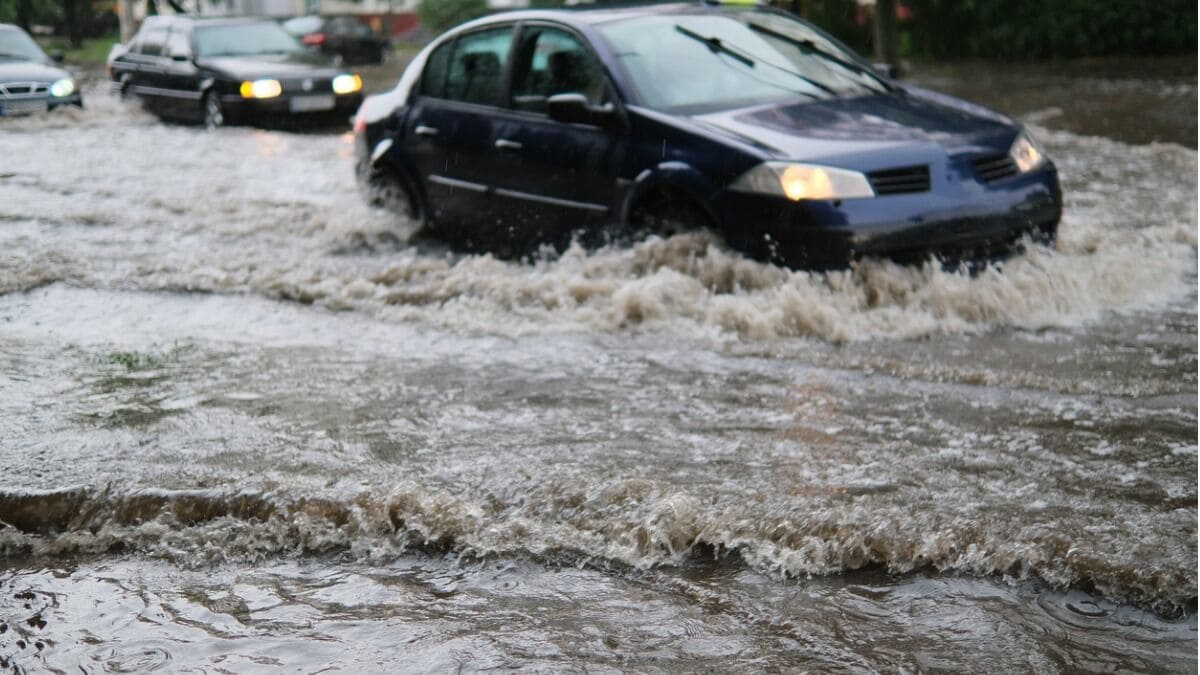
Respect the road you can see: never drive through flood water or blind sections. Reduce speed, add following distance, and expect grip to drop quickly on wet, snowy, or icy pavement.
Stay Alert
Scan constantly, not occasionally: monitor surrounding traffic and look farther ahead. In poor weather, pedestrians, cyclists, and obstacles are harder to spot, so extra focus matters.
Hot vs. Cold Weather Car Care
Hot Weather Priorities
- Monitor the cooling system: keep coolant at the correct level and inspect hoses for wear, cracks, or seepage to reduce overheating risk.
- Check tire pressure monthly with a gauge; heat can raise pressure and increase blowout potential.
- Inspect battery condition, especially after year three, because high temperatures accelerate fluid loss and corrosion.
- Keep engine oil topped up and on schedule, since high heat can reduce oil performance over time.
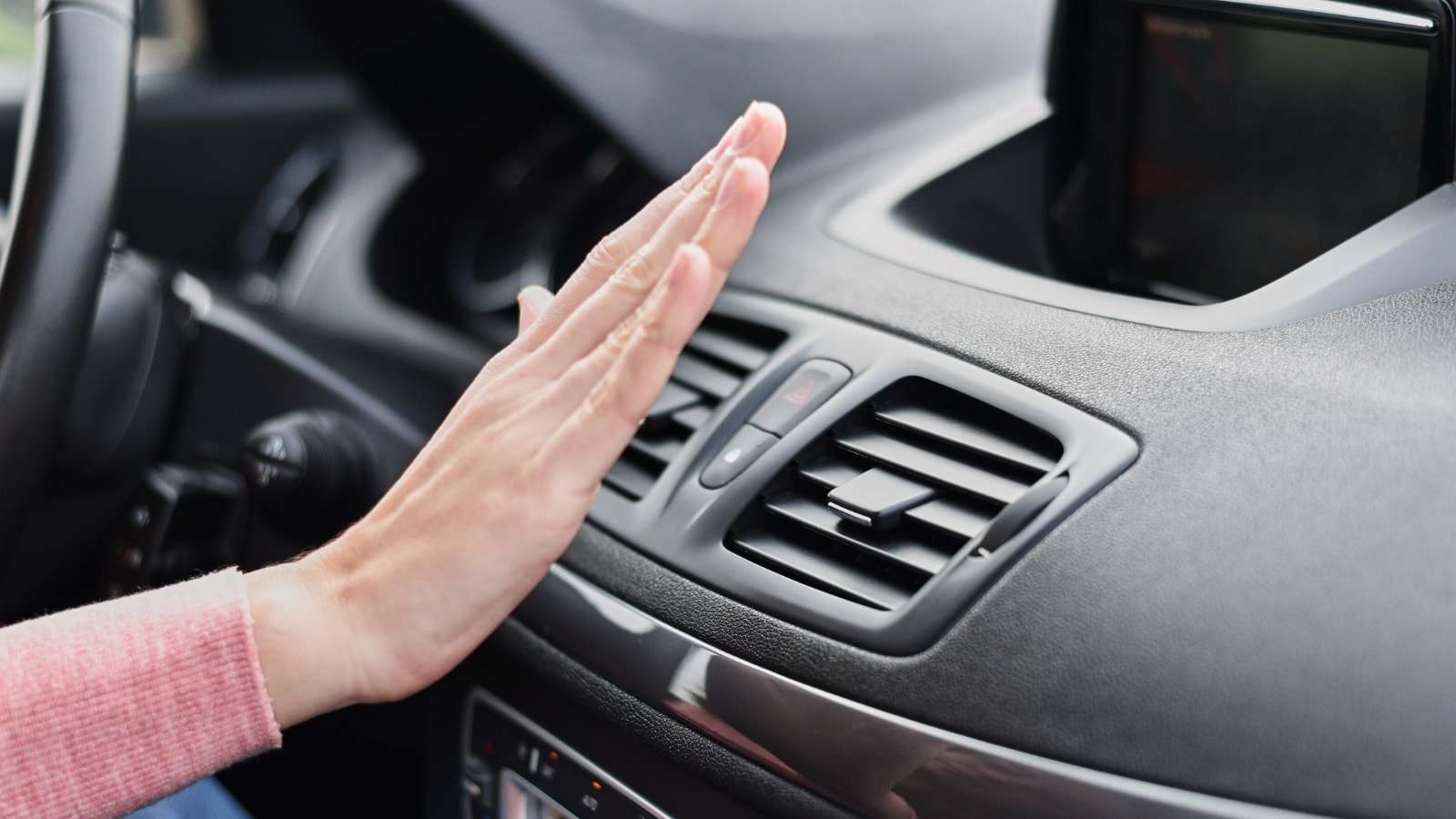
- Verify air-conditioning output before peak heat and get service if cooling is weak.
- Review critical fluids such as brake and power-steering fluid, which can degrade under extreme temperatures.
- Protect the cabin with a windshield shade to limit UV damage and lower interior heat buildup.
Cold Weather Priorities
- Test battery health before winter; cold weather cuts cranking power and exposes weak batteries quickly.
- Confirm proper antifreeze/water ratio and use winter-rated washer fluid to prevent freeze-up issues.
- Check tire pressure monthly as temperatures drop, and ensure tread depth is safe for slick roads; winter tires may improve grip.
- Upgrade visibility by replacing worn wiper blades and keeping an ice scraper/brush in the vehicle.
- Use the oil viscosity recommended for low temperatures so lubrication reaches engine components quickly at startup.
- Keep at least half a tank of fuel to help reduce moisture-related freezing in fuel lines.
- Treat door seals with silicone-based protectant to reduce freezing and sticking.