


As hot summer weather approaches, your car’s interior needs plenty of cool air to keep you and your crew comfortable around town. Too often, we take car air conditioning for granted. But having cold air in hot weather is not just another feature. It’s a necessity.
If you notice any unusual noises, odors, condensation, or temperature fluctuations, there’s a chance you could have an AC issue.
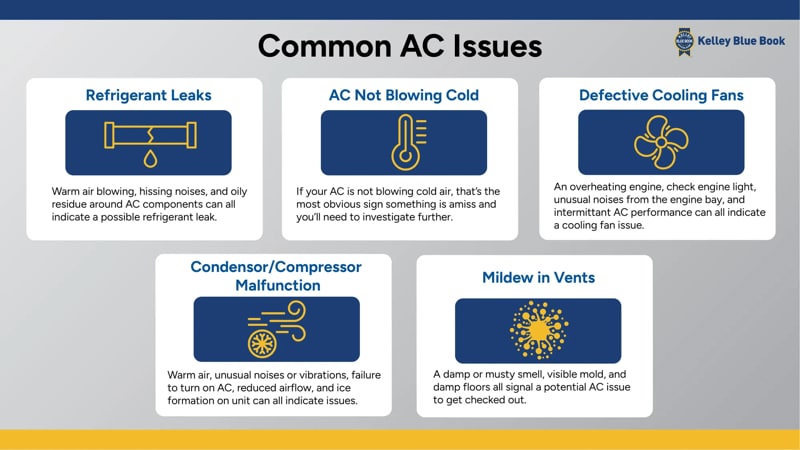
So what can we do to encourage the health of our climate control system before car AC repair is needed? How can we help our car air conditioner operate better? We asked Kelley Blue Book’s in-house service and maintenance expert, Gary Hardesty, an A.S.E. certified master technician, to share his AC expertise, and these are our top 10 tips for keeping your AC in tip-top shape.
MORE: Does AC in a Car Use Gas?
1. Watch High Engine Temperatures on Steep Grades

If your summer getaway means heading for the mountains and you’re traveling uphill on a steep grade, loaded with people and gear in hot weather, keep an eye on the engine temperature. Running the air conditioner puts extra strain on your engine, which can contribute to overheating. If you see the engine temp gauge rising, Hardesty says to turn your heat on full blast for a few minutes to help lower the engine temperature and temporarily lessen the burden on the car’s cooling system.
2. Keep “Inducts” Under the Windshield Dry and Clear
Water, dirt, and leaves at the base of the windshield reduce operating efficiency and can contribute to mold in the climate control system. The area where the hood and windshield meet is an optimal collection point for debris like pine needles and windblown leaves. Unfortunately, the air conditioning intake is in that area, making it a bad place for old leaves to decay. Hardesty suggests regularly removing any obstructions that restrict airflow, as well as smaller debris that could enter the air distribution box and plug the water drains.
3. When Odors are Detected, Act Quickly
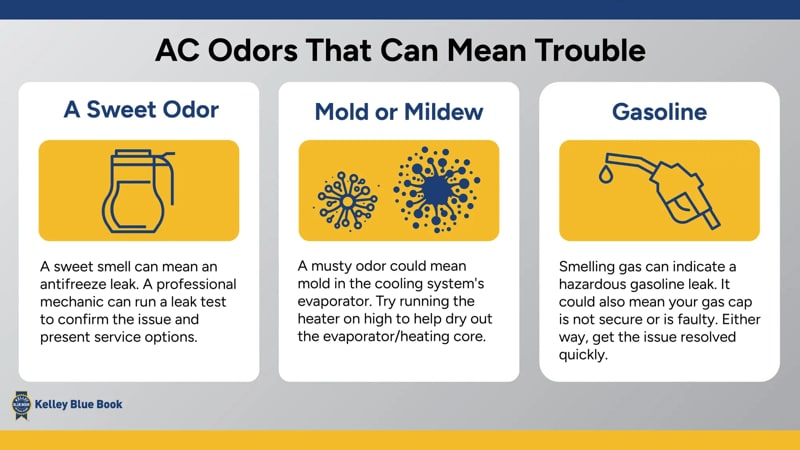
Strange smells coming from your car’s air vents can be a sign of serious problems, but some odors may just be from the previous owner, who was a smoker or allowed pet odors to accumulate. In these cases, Hardesty says placing orange peel on your car’s floor for a few days will help. Other options include spraying an odor neutralizer like Ozium into the vents or changing the air conditioning filter.
But there are some odors to watch out for that might suggest a more significant issue, including gasoline, mildew, or a sweet odor.
4. Read the Air Conditioning Section of Your Owner’s Manual
Your owner’s manual is full of recommendations and requirements for operating the vehicle, including its climate control and engine cooling systems. Refer to its guidelines for antifreeze coolant to give proper corrosion protection and help prevent overheating. In case your summer travel plans don’t include a road trip, that book in your glovebox also contains information on maintaining the air conditioning system when the vehicle is unused for extended periods.
5. Add Air Conditioning Checkpoints to Your Maintenance Schedule
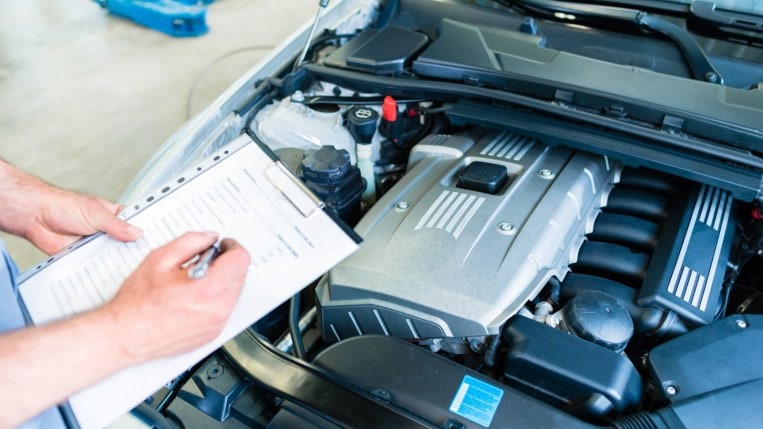
Always follow the manufacturer’s recommended maintenance schedule, which includes checking system performance to determine if a car air conditioning recharge is needed. Routine inspection may detect potential problems before they become troublesome. Staying on top of AC maintenance can help improve your fuel economy while keeping the car’s interior comfortable for you and your passengers. At a minimum, have the system checked at the start of each warm season. The service should include checking the drive belt tension, cleaning the condenser fins, and completing a performance test.
6. Change the AC Filter When Needed
Changing the cabin air filter is an essential part of car air conditioning maintenance. A typical replacement interval is 30,000 miles, but drivers and passengers with airborne allergen sensitivities may need to replace filters more frequently to help prevent dust and pollen from circulating inside the car. Clean cabin filters also allow for stronger airflow and can reduce unpleasant odors. Even car owners with minimal DIY skills can save money and replace the filter themselves by following the instructions in the owner’s manual.
7. Open Windows and Start Driving, Then Turn on Your Air
Don’t expect the air conditioning to instantly cool the cabin during summer weather when the vehicle interior is blistering hot from sitting in the sun all day. You can give it a head start by opening your car’s windows to flush out hot air when you start the car and turn the blower on high. After a minute or so, close the windows and adjust the AC controls as needed to achieve comfort.
8. Use the Fresh Air Vent When Possible

Choosing between recirculating and outside-air mode can be perplexing to some people. Follow this straightforward advice: Use recirculation when outside conditions (smoke, dust, odors, or high humidity) are present. Otherwise, select outside air. Recirculation mode can make the inside air stuffy, and window fogging may occur. Extended use of this mode is not recommended. Instead, use outside-air mode whenever possible.
9. Occasionally Run the AC in Defrost Mode
According to Hardesty, the defrost mode in your car does more than take the frost off your windows. It prevents mildew and clears up moisture inside the AC unit. Doing this once a week for 5 to 10 minutes can help you avoid mold, mildew, or other unpleasant odors in your car.
10. Use Coldest Setting and Adjust the Fan
Most experts agree that setting your air conditioner to the lowest temperature is more efficient for the car’s cooling system and saves fuel. Why? Hardesty says that most cooling systems only cool the cabin by 30 degrees and then stop. If you reach that point and then set the temp higher, you also activate the heater. This dual effort strains the system and consumes more fuel. Instead, set the AC fan to low and rotate the vents away from you.

KBB Pro Tip: As with many other systems in your car, climate control weakens with wear and tear. Keep an eye out for telltale signs of common and costly issues, keep up with your regular maintenance, and don’t delay addressing any signs of trouble as soon as they arise — it could save you money and grief down the line.
The most common issues that can constitute a visit to a service bay are refrigerant leaks, defective cooling fans, condenser/compressor malfunctions, and mildew in the vents. These services can range from $150 to $2,000, depending on the severity of the problem. Use the Kelley Blue Book Service Advisor tool to get an estimate for AC repair before making an appointment with your repair shop.
Visit Kelley Blue Book’s Safety Hub page to learn more about vehicle safety features.
Editor’s Note: This article has been updated since its original publication. Joni Finkle contributed to this report.