
While exploring Kelley Blue Book’s centennial celebration, I became interested in the most significant automotive innovations of the last 100 years. I was able to dilute this significant period into decade-sized bites to get to the bottom of what innovations really changed the automotive industry each decade.
Let’s dive in…
The 1920s
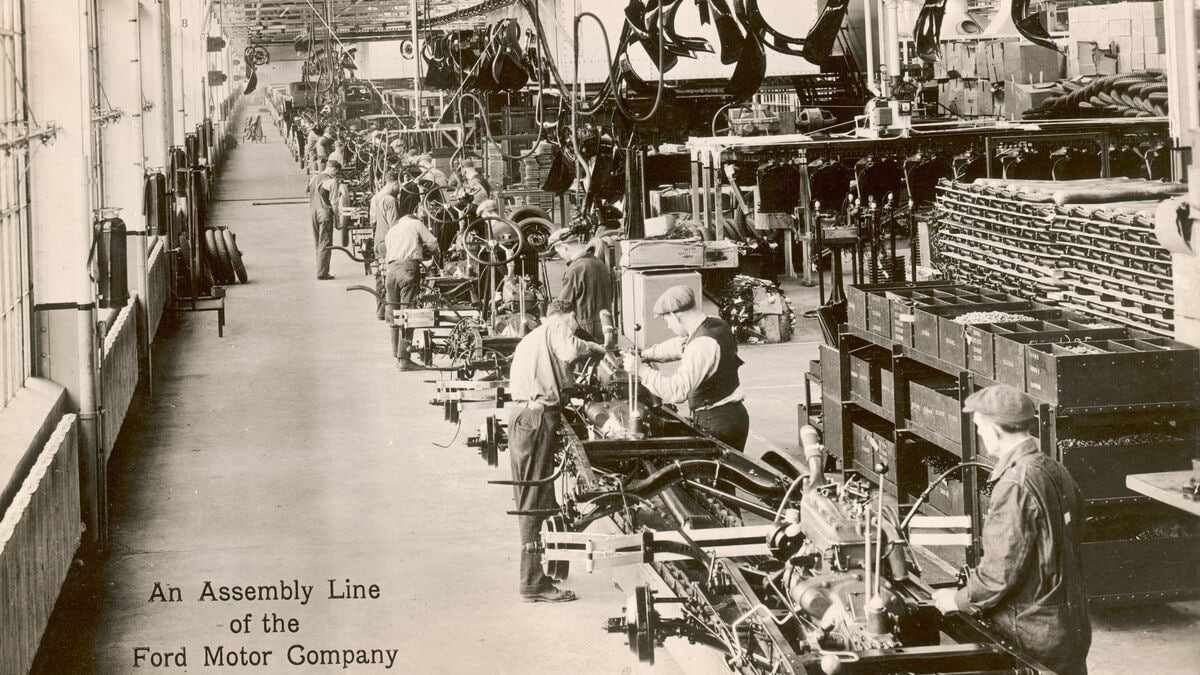
The 1920s introduced ordinary Americans to the automotive industry, thanks to Henry Ford’s refinement and implementation of the assembly line. Millions of new buyers gained access to previously too-expensive vehicles thanks to automation, bringing their costs down to between $260 and $850, according to the Henry Ford Museum. This price translates to between $4,500 and $15,000 in 2026 buying power, according to most inflation calculators.
It was also during this time that Los Angeles used-car dealer Les Kelley circulated lists of vehicles he wanted to buy and the prices he was willing to pay. Interest grew, and Kelley’s lists evolved into the first version of Kelley Blue Book in 1926.
Read about Kelley Blue Book’s history
With the advent of this new era of car ownership, it quickly became clear that without a closed cabin, the driver and their passengers would be at the mercy of Mother Nature. Early vehicles often looked reminiscent of what came before — essentially a horse-drawn carriage with an open top.
The Birth of the Closed-Body Model A
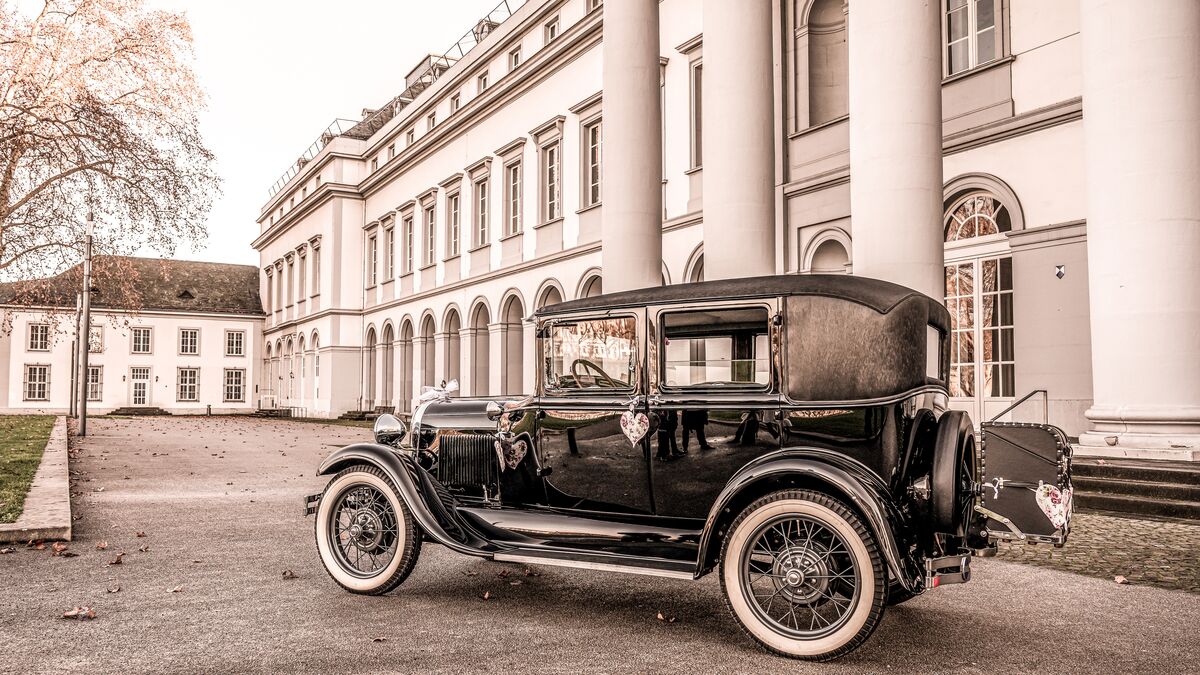
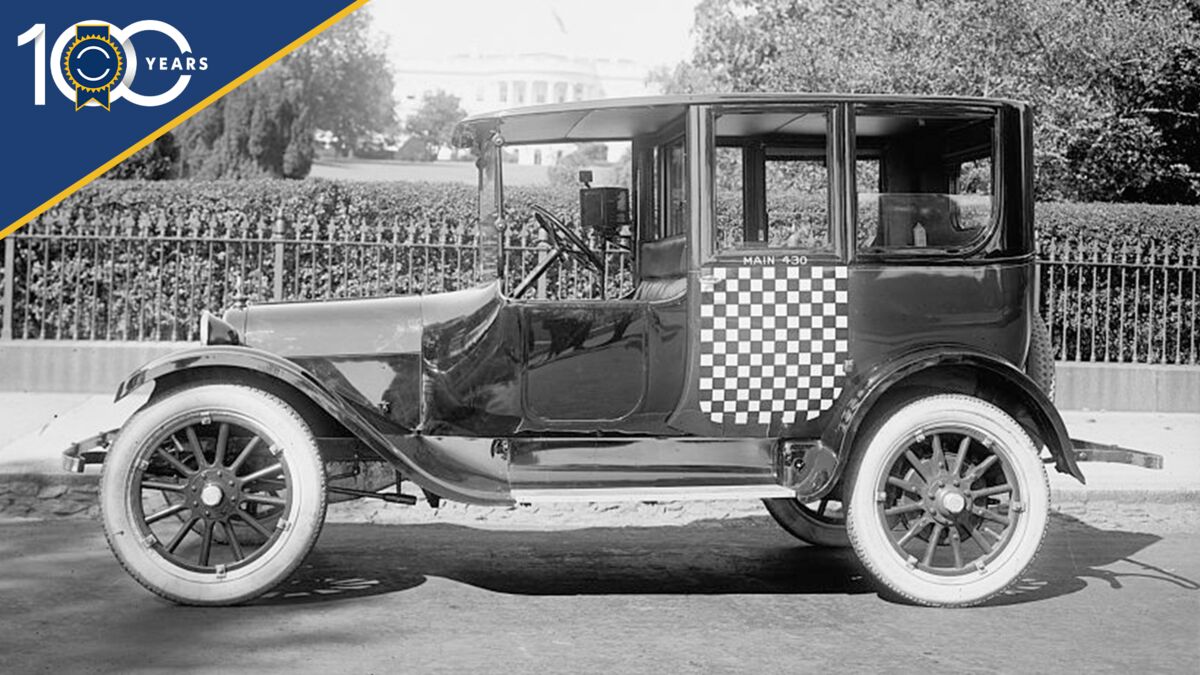
This need prompted the introduction of closed bodies, often made from fabric or steel early in the decade. At the beginning of the decade, only 16% of vehicles had a closed cabin. However, by the end of the decade, due to the proliferation and widespread adoption of closed bodies by automotive manufacturers, nearly 90% of vehicles adopted this design. One of the most notable examples of this transition came with Ford’s release of the Model A, featuring a closed top when it debuted in 1927.
The new closed-body design was so popular that upholstery and body shops were often fully booked by customers interested in converting their vehicles from open to closed, preferring to remain protected from the elements. Over time, fabric and canvas tops were replaced with more durable materials such as glass and steel.
This new development, which focused on driver comfort and safety, was the first in a long line of innovations that led to the vehicles we know and love today.