


Proper tire pressure plays an integral role in fuel economy that many drivers don’t realize. When tires are underinflated, they create more resistance as they move along the road. That extra resistance forces the engine to work harder, which uses more fuel and reduces mpg.
Even a small drop in tire pressure can affect efficiency. According to the U.S. Department of Energy, underinflated tires can reduce fuel economy by roughly 0.2% for every one psi drop in the average pressure of all four tires. Over time, that lost efficiency can add up at the pump.
Why Does Lower Tire Pressure Hurt MPG?
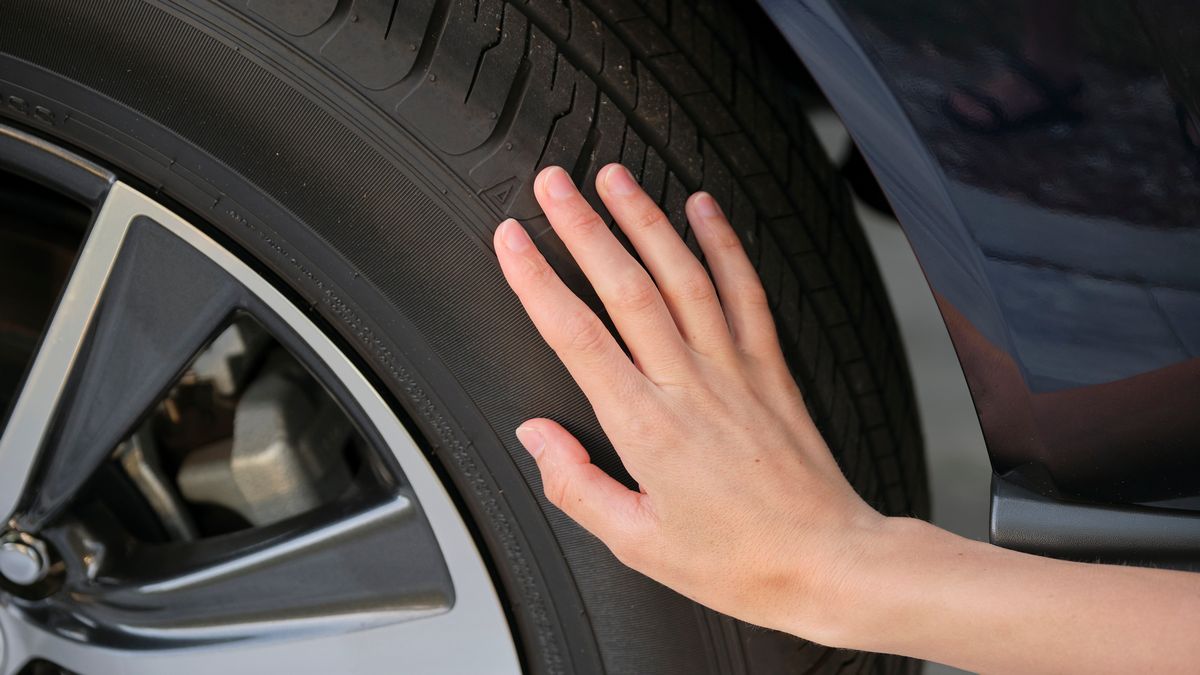
Underinflated tires are slightly flattened when they are in contact with the road, increasing what is known as rolling resistance. The greater the resistance, the more energy the vehicle needs to maintain speed. The extra workload means the engine burns more fuel to keep the vehicle moving.
Low tire pressure can also create additional problems beyond fuel economy, including :
- Uneven or premature tread wear
- Reducing handling performance
- A higher risk of the tire overheating
How to Prevent Fuel Economy Loss From Low Tire Pressure
Keeping your tires properly inflated is one of the easiest ways to help protect mpg. A few simple habits can reduce rolling resistance, support more efficient driving, and help your vehicle make the most of every tank.
Tire pressure maintenance is small, but the payoff can be meaningful. These habits help drivers stay ahead of gradual air loss, shifting temperatures, and incorrect PSI readings that can quietly chip away at fuel economy.
Check Pressure Monthly
Tires naturally lose air over time, and that gradual drop can add resistance on the road. Checking pressure at least once a month helps catch small changes before they start hurting fuel economy.
Use the Recommended PSI
The correct tire pressure is set by the vehicle manufacturer for that specific model. Use the PSI listed on the driver’s door-jamb sticker or in the owner’s manual, not the maximum number molded into the tire sidewall.
Measure Tires When Cold
For a more accurate reading, check pressure before driving or after the vehicle has been parked for several hours. Driving warms the tires and temporarily raises PSI, which can make a low tire look normal.
Watch Temperature Changes
Cooler weather can cause tire pressure to drop faster than many drivers expect. When temperatures swing or seasons change, make pressure checks part of your routine so mpg does not slip without notice.
Proper tire pressure helps support better fuel economy by reducing rolling resistance. It is one of the simplest maintenance checks drivers can do to help improve efficiency, reduce unnecessary tire wear, and keep the vehicle operating as intended.
The bottom line
Maintaining proper tire pressure doesn’t just help your tires last longer; it also helps them perform better. It can also improve your fuel economy and overall vehicle performance. Quick monthly pressure checks take only a few minutes and can help drivers save money on fuel while keeping their vehicle operating safely and efficiently.